











Fire safety: a must for every organisation
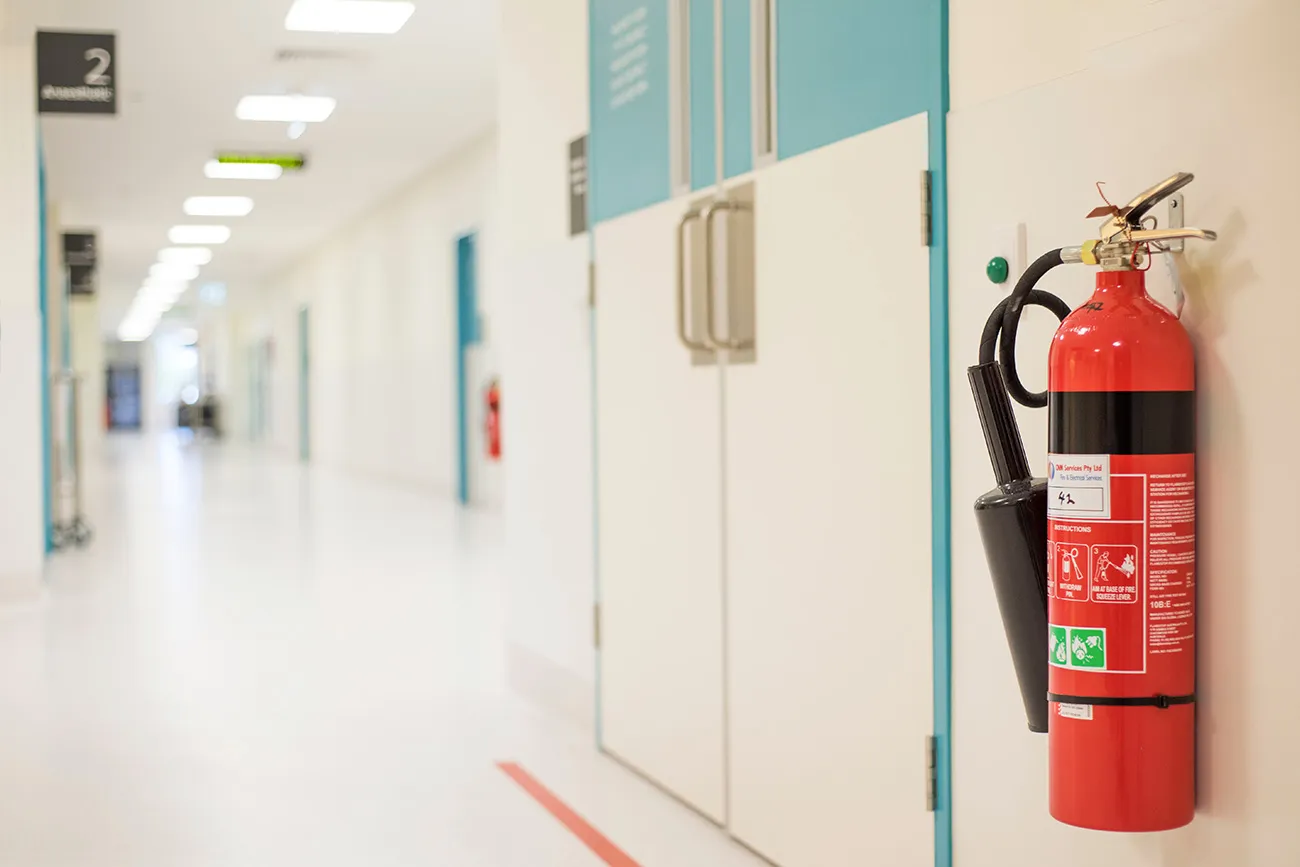
Since 1 January 2015, all fire alarm systems at healthcare premises have had to hold an inspection certificate. In fact, this type of inspection certificate had already been required since 2012, when the Building Decree 2012 came into force.
Sanne de Rijk, Quality Manager at Normec Fire Safety & Security (FSS): “Normec FSS is a Type A accredited inspection body. We manage the entire inspection process to achieve certified fire protection. Our experienced, highly skilled inspectors each have their own specialism. This gives us broad expertise in-house and enables us to cover the full scope of fire safety inspections, from fire suppression systems such as sprinklers and water mist systems to fire alarm systems, evacuation alarm systems and smoke control systems. Our mission is to make the Netherlands as fire-safe as possible by carrying out independent inspections. Because our work concerns the safety of people and animals, our inspections must always be of the highest standard.”

Fire safety assured
De Rijk continues: “All premises with occupancy functions for which the Building Decree requires an inspection certificate are of interest to us. A fire protection system and its associated provisions work together to provide fire protection, as required by law. We inspect the system to assess whether it meets the specified objective(s). This ensures that fire safety in the building is maintained.”
She explains how Normec FSS then goes about its work: “The inspector starts by assessing the basic design (documentation). This is followed by an assessment of the detailed design (drawings and calculations). The inspector then draws up an inspection plan. During the inspection, the system is checked and the associated controls are tested. Building-related and organisational matters are also reviewed, such as system management and storage. The inspection is followed immediately by a debriefing, during which the findings are shared. After the inspection and debriefing, the inspector prepares an inspection report, which is reviewed by a fellow inspector. Once the inspection has been completed and a positive conclusion can be reached on the objective, an inspection certificate can be issued.”

Finally, Normec sends the inspection report and inspection certificate to the client. “The inspection certificate demonstrates that the fire protection system is in order.”
Inspection methodology
“There are various inspection methods available for inspecting fire protection systems. We can determine conformity with specific standards or with design basis documents. We can also inspect against derived objectives in accordance with the CCV (the Centre for Crime Prevention and Safety) inspection scheme,” says De Rijk. “The CCV is an independent scheme manager that develops and manages certification and inspection schemes for fire safety. Ultimately, the client decides which method we should use. The choice depends on the purpose of the inspection. In short, it is important to be clear from the outset about what an inspection is intended to achieve, so that problems do not arise later in meeting the specified requirements.”
Looking to the future
“At Normec, being the best in our field is not enough,” De Rijk adds with conviction. “Our main aim is to continue safeguarding quality through an integrated approach, particularly for healthcare. We make a difference through fast, effective service. What sets Normec FSS apart is that we work closely with our clients. By working together with the client and installer, we ultimately speak the same language and pursue the same goal: ensuring that a building is as fire-safe as possible. That is how we help build the best possible quality of life. For everyone. Safety comes first. Always.”
Question about this story? Ask your question
Keep following this
Get an email when a new story is published. No account needed.
- ThemeSafe and reliable healthcare buildings
- SubjectGeneral







