











HAN launches master’s programme for future-proof, affordable and accessible care
Text Maya Debie Beeld HAN University of Applied Sciences
HAN University of Applied Sciences is launching the master’s programme Transition to Health and Wellbeing in February 2026. This part-time master’s programme responds to the major changes taking place in health and wellbeing and is aimed at professionals in non-profit organisations and businesses. Students are trained to devise innovative, practical solutions to problems or challenges in their own field of work. It is this practical focus that makes the master’s programme unique.
Working together to drive change
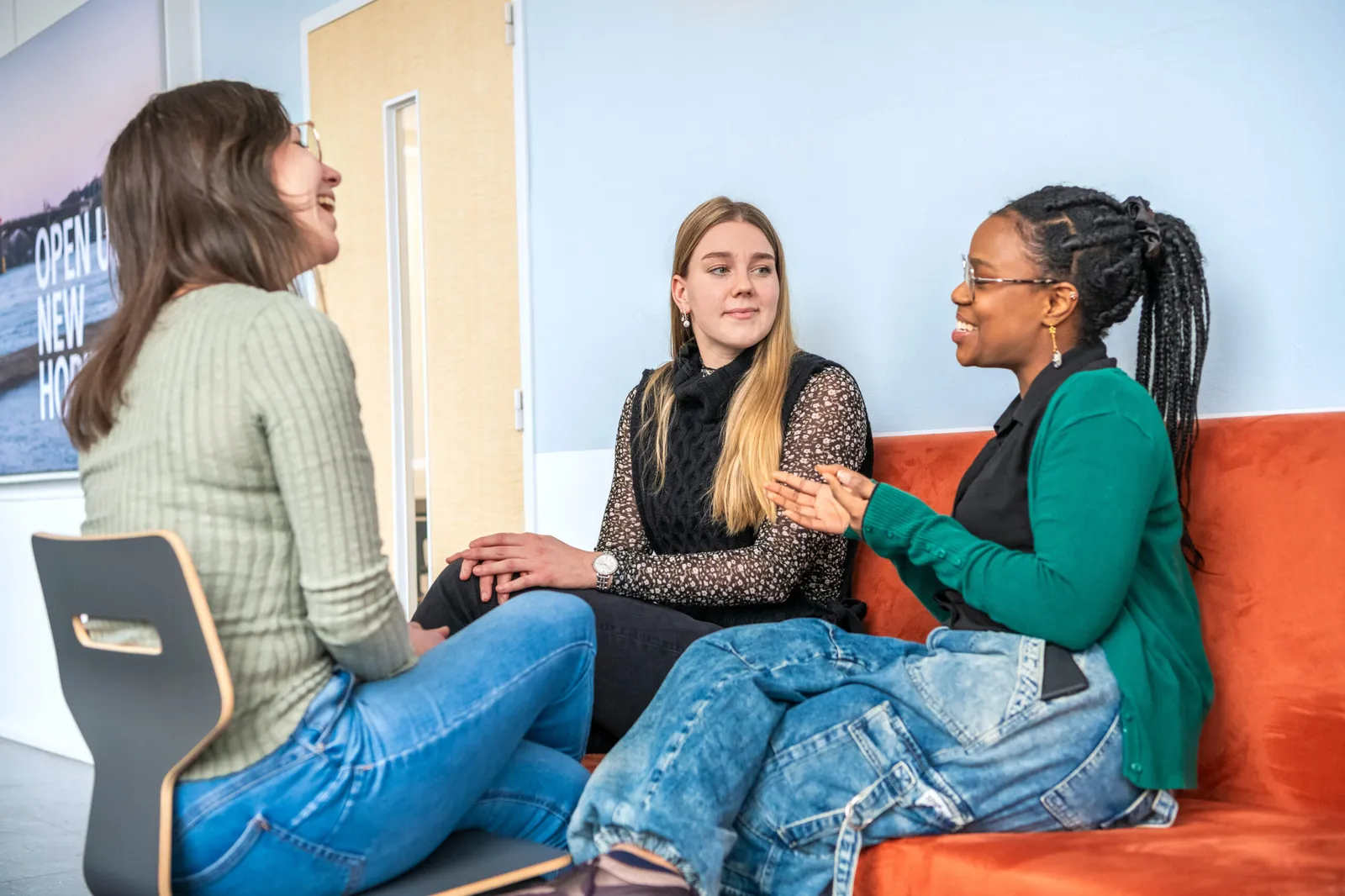
Students on the master’s programme work together on complex social challenges that call for an integrated approach. They will also come from a wide range of backgrounds, from health and wellbeing professionals to policy advisers, business economists, (healthcare) technologists and healthcare funders. Together, they develop into ‘change agents’, designing creative solutions with and for citizens, experts, health and wellbeing organisations, local authorities, health insurers and businesses.
“Healthcare is changing constantly and at breakneck speed. We need professionals who can lead transitions, devise innovative solutions and bring different parties together. This master’s programme prepares them to do just that,” says Wienand Remkes, programme manager for Health, Care and Wellbeing at HAN University of Applied Sciences.
Transition challenges
The so-called ‘wicked problems’ (transition challenges) at the heart of the programme are characterised by their complexity. These challenges span multiple sectors and affect large groups with different interests. Examples include enabling older people to live at home for longer, remote care, integrated preventive support to improve health, and reducing waiting lists. Devising creative solutions requires a tailored approach and, ultimately, behavioural change among those involved. Ingeborg van Oord, director of Warkhouse and social entrepreneur, says: “We really need to get moving and tackle the challenges together. The programme as a solution to a ‘wicked problem’. That’s what excites me!”
Developed with and by the field
The strength of the new programme lies in strong regional collaboration with resident and healthcare organisations, and an engaged professional advisory committee*. Collaboration with several HAN professorships strengthens the link with practice-based research. This ensures that the programme is closely aligned with practice.
The healthcare of tomorrow needs people who look beyond their own discipline. Future-proof professionals work across boundaries: from healthcare to technology, and from policy to behaviour. For example, a district nurse might work with data analysts on falls prevention, or a policy adviser might design a new wellbeing initiative with local residents.
Programmes such as Transition to Health and Wellbeing strengthen precisely this connecting role. Students learn to shape change in collaboration with practitioners, not alongside them. This is how a new generation of healthcare professionals is emerging, one that not only understands innovation, but knows how to deliver it.
Question about this story? Ask your question
Keep following this
Get an email when a new story is published. No account needed.
- SubjectGeneral







