











Healthcare, education and industry: ‘Temporary construction with all the requirements that apply to permanent buildings’
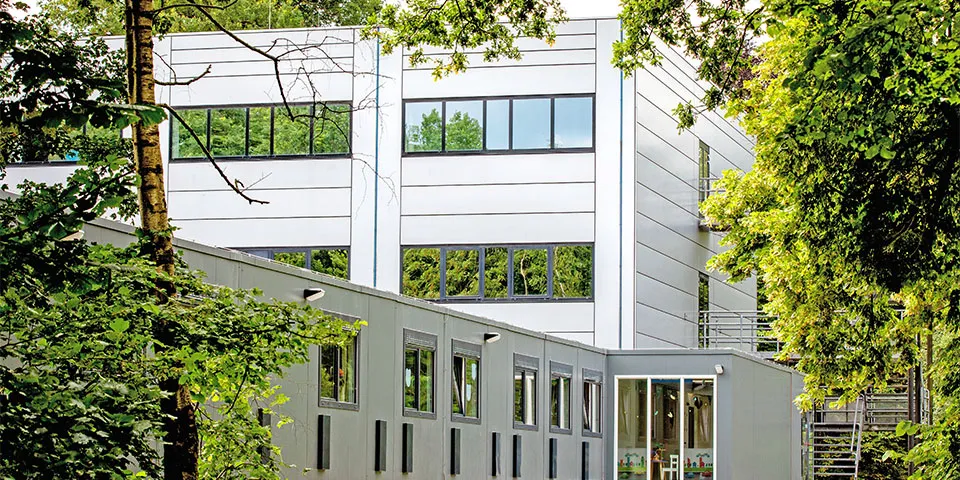
“We also build modularly in Belgium, in accordance with the rules for permanent construction!”, says Patrick Waumans of Jan Snel. Although the two Low Countries have different protocols in many areas, the focus is on high-quality modular construction, increasingly for permanent use, for the healthcare and education sectors and industry.
With many years of expertise, Jan Snel solves every accommodation challenge. The preliminary work is carried out in its own workshops, helping ensure that projects are delivered as required and efficiently at their destination. This could be in the Netherlands, Belgium or much further afield. Waumans, a representative of the company, represents Jan Snel in Belgium. With 25 years of experience, he focuses on expanding accommodation for hospitals, care homes and schools. He can also provide suitable solutions on behalf of Jan Snel for (temporary) construction in industry. When the time savings are discussed, Waumans knows that they translate into lower costs, among other benefits, as well as CO2 savings. “The environment is an important factor in the way Jan Snel operates.”
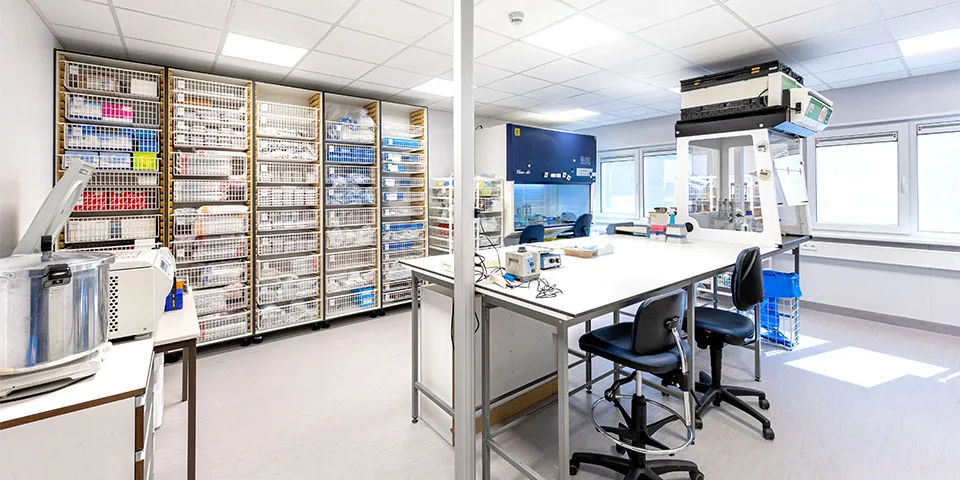
Waumans turns his attention briefly to his home country: “When temporary buildings are constructed in Belgium, we have to meet all the requirements that also apply to permanent buildings. This is because temporary construction in Belgium is only permitted for up to 2 years, while many (rented) buildings remain in use for longer.” He supports this with a few examples. “Here, glazing has to be triple, not double, and buildings also have to meet higher standards for insulation and ventilation.”
By complying with regulations, Jan Snel demonstrates flexibility and adaptability. “The company has been proving its ability in this area for decades.” Around 80 per cent of its contracts in Belgium are awarded through public tenders. “Of those, around 65 per cent are for permanent buildings. We are currently in the running for a tender to build a European school on the former NATO site in Brussels. It is a multi-million-euro project.”
The architect is the sole project lead here. “Of course, we provide the right project managers, work supervisors and skilled tradespeople. It is also important to involve the permanent ‘building technicians’ of a healthcare institution, school or company in the project. Recruiting newcomers is not the norm,” Waumans emphasises. Projects are also often carried out through a Temporary Commercial Partnership (THV). “That was the case, for example, on a major project for Ghent University Hospital. Being at home in the world of temporary or permanent construction also means having a good network. Experience and excellent references are, of course, decisive, but that applies in every country where Jan Snel builds. Jan Snel is well known in many parts of Belgium and is often also a preferred supplier. One example is Antwerp University Hospital (UZA) in Edegem, which brings together 38 highly specialised medical services and treats 600,000 patients each year.”
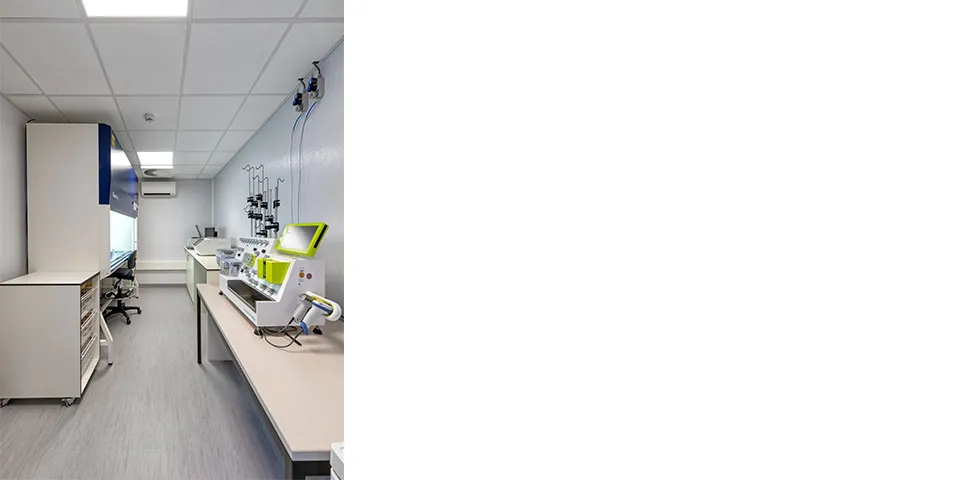
Waumans substantiates the major responsibility borne by Jan Snel as a builder by citing Belgian regulations: “We are jointly and severally liable and obliged to provide a 10-year guarantee on our work. This includes subsidence and surface layers. That is why we hand over our work in class D8, the highest construction class.”
A business enquiry for Jan Snel? Get in touch
Companies in this story
Keep following this
Get an email when a new story is published. No account needed.
- ThemeFaster, more flexible healthcare construction
- SubjectGeneral
- CompanyJan Snel







