











Healthcare Update
Text Koen Mortelmans Beeld Nationale Zorgreserve, Maasstad Ziekenhuis, Thomas Defour, AZ Jan Portaels

Nationale Zorgreserve welcomes its five-thousandth care reservist
The Dutch Nationale Zorgreserve recently welcomed its five-thousandth care reservist. This reserve mobilises qualified current and former healthcare professionals to provide temporary support when the healthcare system is under pressure due to a crisis.
The foundations of the Nationale Zorgreserve were laid in March 2020, when the coronavirus crisis placed healthcare under considerable pressure. Many current and former healthcare professionals wanted to help, but organising their deployment quickly and responsibly proved complex in practice. Drawing on this experience, the Nationale Zorgreserve was eventually developed at the request of the Ministry of Health, Welfare and Sport (VWS): a nationwide network for registration, matching and training, enabling capacity to be scaled up more quickly and with better preparation during a crisis.
AI first for Maasstad Ziekenhuis
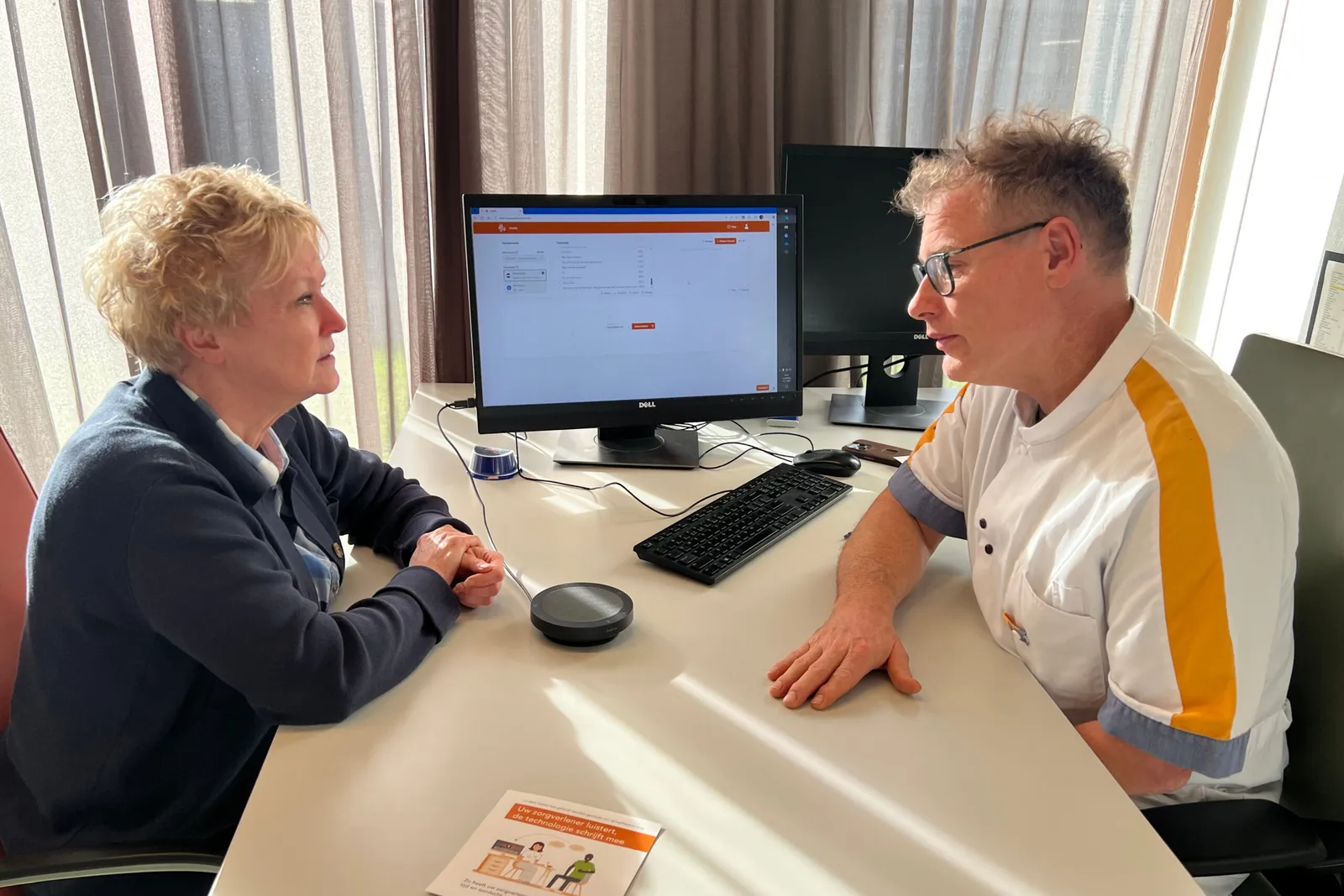
Maasstad Ziekenhuis (Rotterdam) is the first hospital in the Netherlands to make voice-enabled AI support available on a large scale across ten specialisms. The technology creates more scope for personal interaction during consultations and supports healthcare professionals with medical documentation.
Voice-enabled AI support allows healthcare professionals to record medical information directly in the electronic patient record (EPR) by speaking. This means they have less to type and reduces the administrative burden during and after consultations. During the trial phase, 91 healthcare professionals used voice-enabled AI support in more than 5,600 consultations. Both healthcare professionals and patients responded positively. Patients said they felt they received more attention during consultations, while doctors found that the technology made their work easier and contributed to more personal conversations.
Alongside routine consultations, Maasstad Ziekenhuis is exploring the use of voice-enabled AI support in family meetings and conversations in which bad news is delivered. Emotions, questions and uncertainties often play a major role in these situations. Careful and comprehensive documentation is essential, so that information is properly understood and important details are not lost and can be reviewed later, while maintaining the quality and consistency of records in the EPR and patient portal.
Saïda Sakali is the new Flemish ambassador for care and welfare
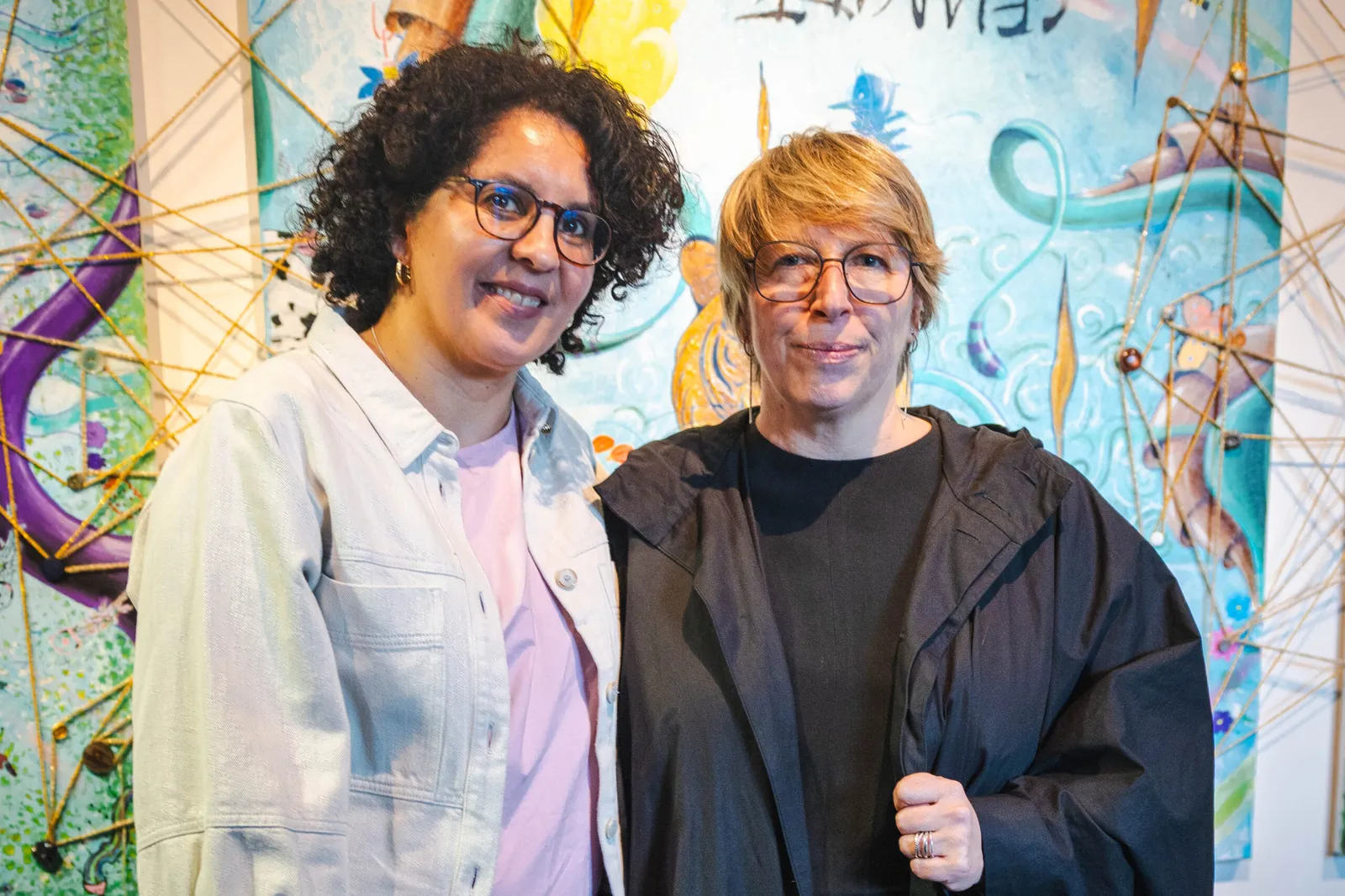
Saïda Sakali (53) is the new Flemish ambassador for care and welfare. In this role, she will act as a bridge between policymakers and the sector. She visits organisations, engages in dialogue with sector employees and brings feedback, needs and good practice to the attention of policymakers. At the same time, the ambassador explains policy decisions on the ground and helps promote a strong and positive image of working in care and welfare. Sakali succeeds Candice De Windt, who served as ambassador for care and welfare from spring 2022 until the end of 2025.
Sakali studied political and social sciences at Vrije Universiteit Brussel. From 2005, she worked at the King Baudouin Foundation, including as a project coordinator and adviser to CEO Brieuc Vandamme. In this role, she supported numerous initiatives relating to care, welfare and social innovation.
AZ Jan Portaels implants new type of penile prosthesis
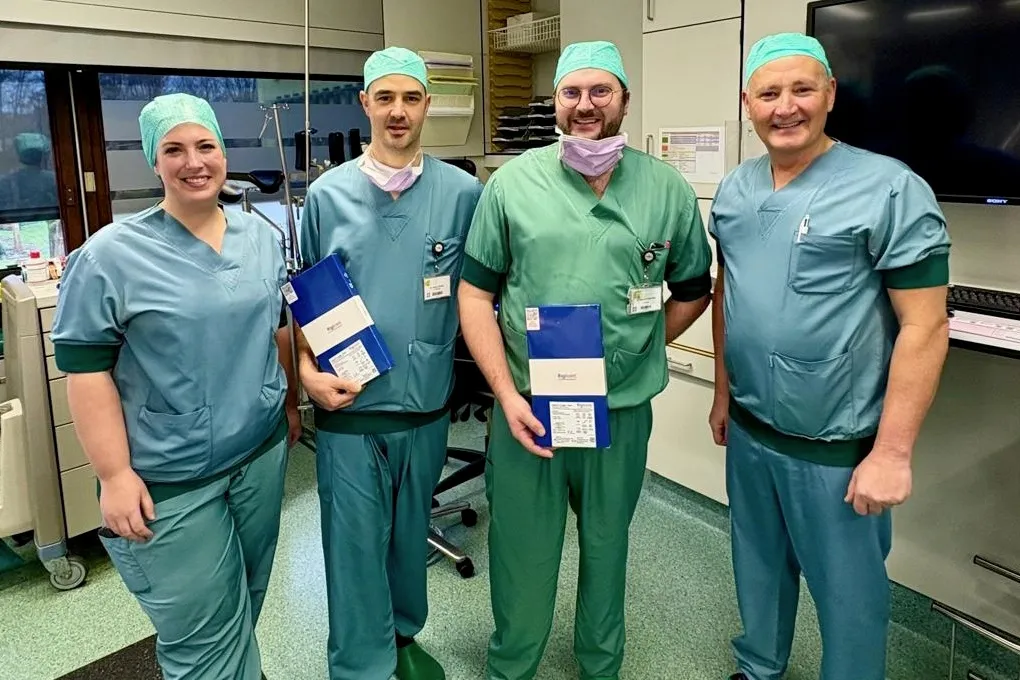
Urologists Simon De Brucker and Erwin Denies of AZ Jan Portaels in Vilvoorde were among the first in Belgium to implant the new Rigicon ‘Infla 10 inflatable penile prosthesis’ in a patient with erectile dysfunction. The Infla 10 is a three-piece inflatable penile prosthesis for treating severe erectile dysfunction when medication or other therapies have had insufficient effect. The system comprises two cylinders in the penis, a small pump in the scrotum and a fluid reservoir in the lower abdomen. By operating the pump, the patient can achieve an erection whenever desired.
Question about this story? Ask your question
Keep following this
Get an email when a new story is published. No account needed.
- SubjectGeneral







