











Industrial modular construction is every bit as good as conventional construction
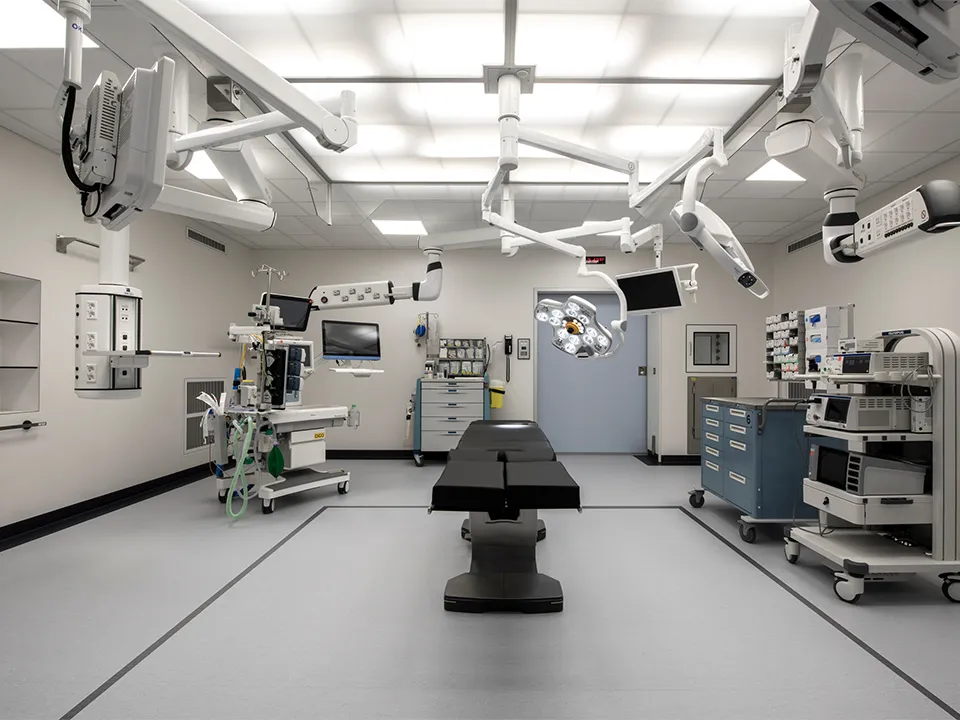
Large construction projects involve a great deal, particularly when they concern complex buildings such as laboratories and hospitals. Clients, architects and contractors face questions about speed, flexibility, sustainability, … and must decide how to build: conventionally or modularly. Cadolto Benelux BV demonstrates that industrial construction offers many advantages and that the end result can match a conventionally built project in every respect.
A faster construction process
‘Time is money’, and choosing an industrial construction method can save a great deal of time. “We handle everything in-house, from design and production to delivery and installation on site,” says Peter van Thiel, director of Cadolto Benelux BV. “Our engineers turn the client-specific floor plans into a production-ready design, including all building services and domestic installations. We work closely with the client, architect and building services consultant to ensure that the new building fits seamlessly with the existing situation and requirements. By developing the project modularly from the outset, using a proven concept and drawing on our extensive experience, we can complete every new-build project in record time. Our industrially prefabricated modules measure up to 22 metres long, 6 metres wide and 4.15 metres high, and are up to 90% pre-assembled and finished.”
Precision prefabrication
All modules are manufactured at Cadolto’s factory: with precision, to schedule and unaffected by the weather. While foundation work and other groundworks are under way on site, the building is already being made. This can cut the construction period by more than half. As well as ceilings, walls, doors, windows and floors, the modules include all the technical installations and often even the permanently fitted furniture. Production takes place in ideal conditions, with strict quality controls, benefiting the end result.
Smart, flexible and sustainable
“The quality of industrial modular construction is in no way inferior to that of conventional construction,” says director Van Thiel. “What’s more, it is a smart, flexible and sustainable way to build. Those who choose modular construction can largely avoid familiar problems such as noise nuisance, dust, bad weather, higher costs, unforeseen costs and construction delays. Once manufactured in large, purpose-built halls, the modules are transported to the site, where they are assembled together to form a single building. We can also easily refute the suggestion that architectural freedom is limited: completed projects show that almost anything is possible. Finally, this modular construction method also offers various ways of addressing the construction industry’s need for circularity. For example, we see that more than 80% of Cadolto’s projects remain in their original location, while some buildings are moved at a later date for use at another site.”
Question about this story? Ask your question
Keep following this
Get an email when a new story is published. No account needed.
- ThemeFaster, more flexible healthcare construction
- SubjectGeneral







