











New insights offer hope against hospital fungus
Text Koen MortelmansImage Martine De Jonge, ZAS en AZ Herentals
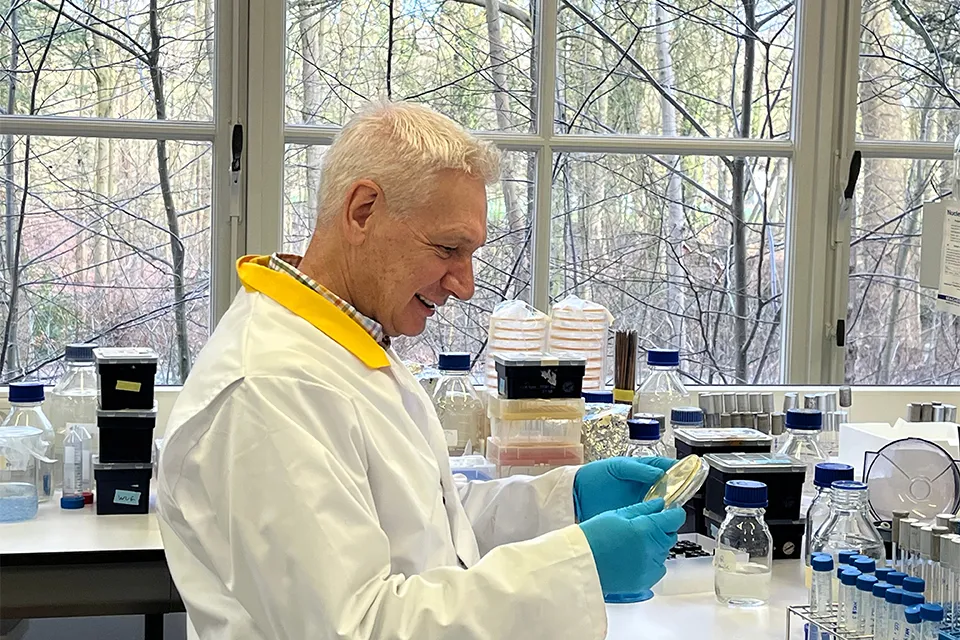
Recently, Flemish universities, academic hospitals and other hospitals have made considerable progress in developing new or innovative insights and techniques. Some of these have a major impact on both the length of hospital stays and the risks involved. Researchers at KU Leuven have discovered which proteins are essential for the growth and adhesion of the hospital fungus Candida auris. This knowledge could help pave the way for new treatments.
Candida auris can cause resistant infections that can have serious consequences, particularly for patients with weakened immune systems. Because the fungal cells organise themselves in an unprecedented way, making the infection very difficult to prevent completely and eradicate, several hospitals have been dealing with persistent C. auris outbreaks since 2014. Clumping protects the inner fungal cells from environmental factors. The fungus also forms biofilms on surfaces such as the skin. “A healthy person will generally not be greatly affected, but when a catheter is inserted, the fungal cells can easily enter the body with it,” explains Professor of Microbiology Dr Patrick Van Dijck.
Hope against hospital fungi
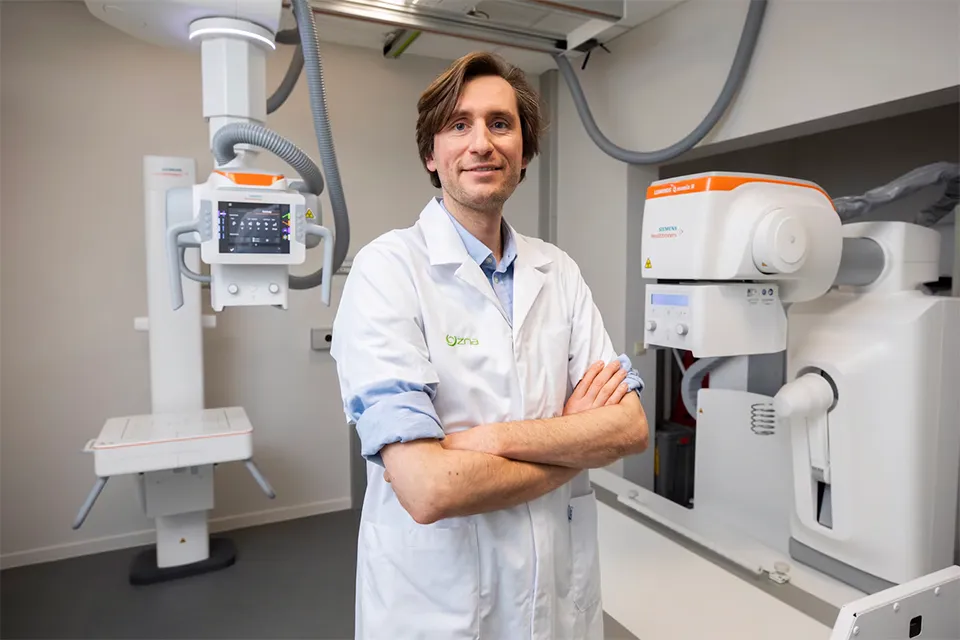
His research team discovered that two proteins are responsible for the fungus’s adhesion and growth. “When these proteins are switched off, the fungus’s ability to clump and form biofilms is significantly reduced. The fungus’s reliance on these proteins offers an interesting avenue for developing new treatments. Fungal colonies that cannot form biofilms may be more susceptible to existing antifungal drugs.”
Fewer X-rays thanks to artificial intelligence
Palfijn, part of the Antwerp hospital group ZAS, is the first hospital in the world to have commissioned an X-ray room equipped with the latest generation of AI. The new fluoroscopy system was initially developed for dynamic examinations, such as those of the digestive tract. Fluoroscopy produces a sequence of X-ray images. Together, they form a kind of film. The room will also be fitted with a light panel that changes colour. This creates a more pleasant atmosphere and distracts the patient, helping to reduce anxiety about the examination, particularly in children.
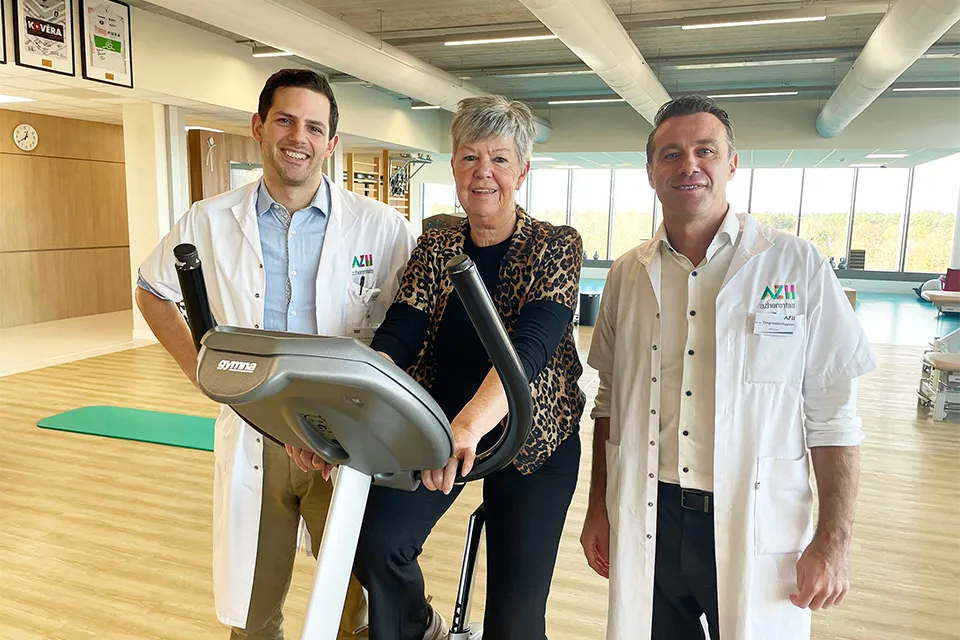
Artificial intelligence precisely outlines the body part to be examined and ensures optimal positioning. As a result, the patient is exposed to fewer X-rays than with existing systems. Body parts that add no diagnostic value are not irradiated. The built-in AI also ensures that the images produced are highly consistent. The system reduces the risk of incorrect images and, consequently, of misinterpreting them.
Algorithm
“The AI algorithm first detects the body part to be examined. Based on the patient’s build and age, the radiographer and the software then determine the correct settings and the area to be irradiated,” explains radiographer Asma Chilah. “The fact that Siemens Healthineers, the global market leader in fluoroscopy systems, chose us to be the first to use the Luminos Q.Namix R is a great vote of confidence,” says radiologist Dr Jens De Cock. “Every year, we carry out 40,000 X-ray examinations at ZAS Palfijn. We will use this new technology for some of them.”
Hip replacement as a day case
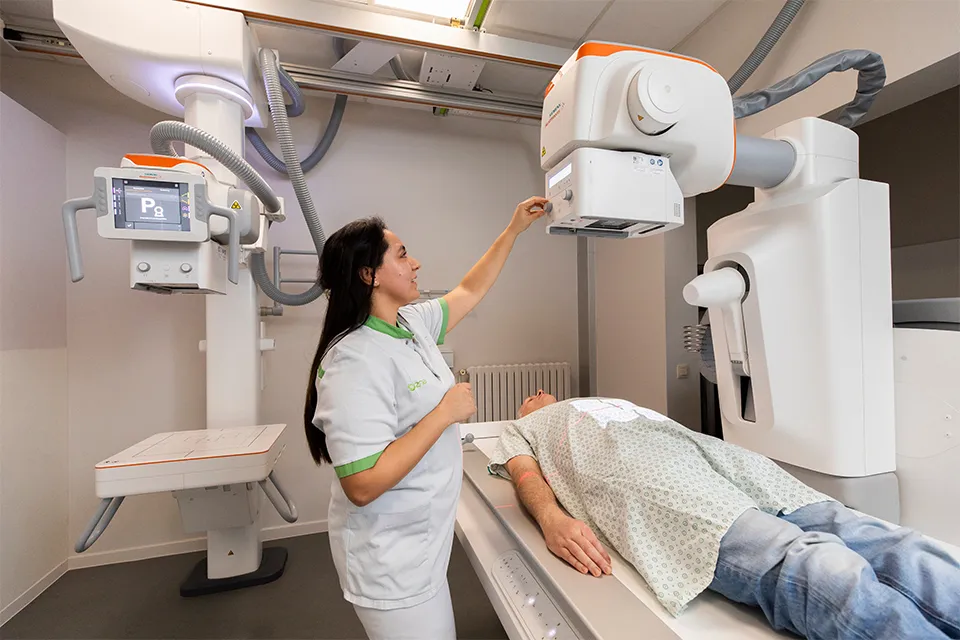
As the population ages, more and more people are having hip replacements. At AZ Herentals, patients can now undergo total hip replacement surgery and return home the same day. Although most patients still stay in hospital overnight, day-case treatment can be a safe and efficient option in certain cases. “This option is suitable only for patients who meet specific criteria,” stresses hip surgeon Dr Mike Tengrootenhuysen. “First, they must be motivated to have the procedure as a day case. They also need to be in good general health, with few or no other conditions. Finally, they must have good support at home for the first night and the days that follow. Recovering in familiar surroundings can have a positive psychological effect and promote a faster recovery.”
Less invasive
According to Dr Lieven Vermuyten, also a hip surgeon at AZ Herentals, technological advances play a crucial role. “The latest surgical techniques are much less traumatic for the muscles around the hip, which considerably speeds up recovery. Modern pain management is also more advanced, enabling patients to get mobile on the same day. Studies show that total hip replacement as a day case is just as safe as the traditional procedure involving an overnight stay.”
Question about this story? Ask your question
Companies in this story

Keep following this
Get an email when a new story is published. No account needed.
- SubjectGeneral
- CompanySiemens







