











The neighbourhood environment plays a role in cardiovascular disease risk
Text and images UMC Utrecht
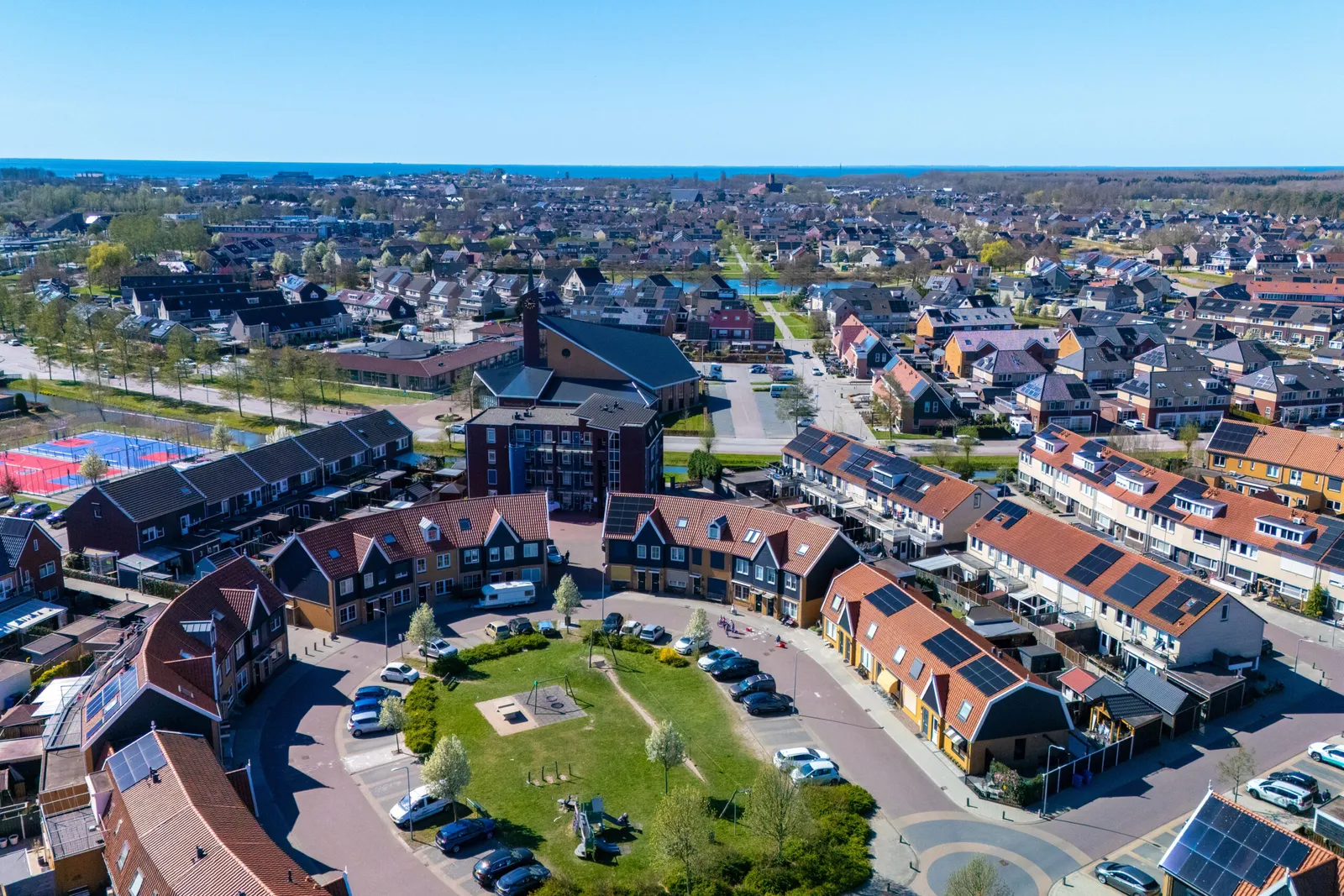
People living in neighbourhoods with many unhealthy food outlets and few opportunities to walk, cycle or exercise are at greater risk of cardiovascular disease. This risk is almost five per cent higher, according to a large-scale study by UMC Utrecht and Amsterdam UMC. The findings were recently published in The Lancet Regional Health Europe.
The researchers investigated the link between the immediate residential environment and the risk of cardiovascular disease. “We examined and scored information about local amenities and infrastructure in the immediate residential environment,” explains Paul Meijer, a researcher at UMC Utrecht. “For example, we looked at the number of fast-food restaurants and cafés in a neighbourhood, as well as whether people can easily walk or cycle to work, the supermarket, or to visit family or friends. We also included the amount of green space and the number of sports facilities, as these encourage people to be physically active.”
Higher risk of cardiovascular disease
For the study, they linked data on more than four million adults from Statistics Netherlands (CBS) with information about amenities and infrastructure around every residential address in the Netherlands. They used a specialised index that scores neighbourhoods according to how obesogenic their environment is. How many unhealthy temptations are there, and how many opportunities to be physically active? “The score ranges from 0 to 100,” says Meijer. “The higher the score, the more unhealthy food options there are and the fewer opportunities to walk, cycle and exercise. The scores were then linked to data on hospital admissions and causes of death to see who developed cardiovascular disease over a period of fourteen years.”
Thousands of additional cases
The analyses show that people living in the most ‘unhealthy’ neighbourhoods are almost five per cent more likely to develop cardiovascular disease within ten years than people in the ‘healthiest’ neighbourhoods. “A five per cent difference in risk may sound small, but across the population it adds up,” explains Meijer. “In a city of 500,000 residents, our analyses indicate that this results in a few hundred additional cases of cardiovascular disease over ten years. The national figure quickly reaches thousands of additional people.” These findings are consistent with earlier studies (September 2024 and November 2024), in which the researchers found that neighbourhoods with many unhealthy food outlets and few opportunities to walk or cycle are associated with a higher likelihood of obesity and high blood pressure.
Taking health into account in spatial planning
According to the researchers, the relationship between the environment and health is complex. It is not down to one factor, but to the interplay of many influences. This makes it difficult to determine precisely which aspects of the environment contribute most to an increased risk of cardiovascular disease. To address this, the researchers used a composite index that maps the full range of environmental factors. “This index allows us to view neighbourhoods as a kind of ‘heat map’,” Meijer continues. “It shows which neighbourhoods are the most ‘unhealthy’ and where the greatest health risks lie. We hope that municipalities and regions will ultimately use this information to make health a consistent consideration in neighbourhood design.”
Question about this story? Ask your question
Keep following this
Get an email when a new story is published. No account needed.
- SubjectGeneral







