











Thinking about the future of healthcare
Text Koen Mortelmans Beeld Radboudumc, ZAS en Koen Mortelmans

Looking ahead to 2050
In the Netherlands, not only scientists but also patient organisations and government agencies are grappling with how to deliver (elderly) care, and with its quality and affordability. This thinking can take many forms, as a number of recent examples show.
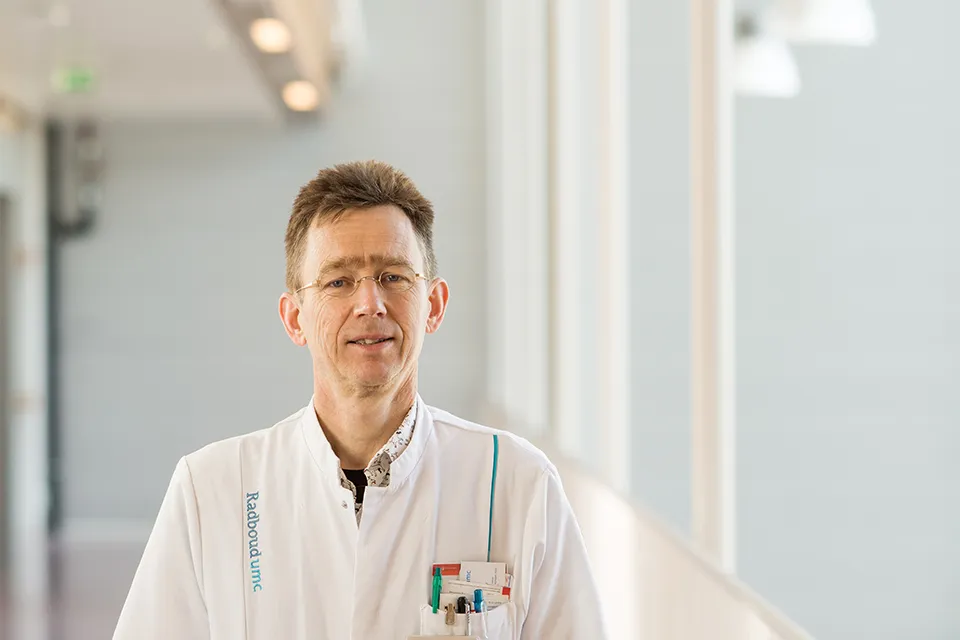
Many medicines targeting ageing are in development, acting on a single part of the body. According to geriatrician Marcel Olde Rikkert of Radboud University Medical Centre (Radboudumc), they may have an effect in the short term, but there is a risk of long-term side effects. Together with American colleagues, he has made recommendations for improving research into these medicines.
Maintaining balance
“Medicines that rejuvenate dying cells, boost a sluggish immune system or repair DNA damage pay too little attention to the person as a whole,” says Olde Rikkert. “In the long term, they can throw the body off balance. Such adverse effects have already been demonstrated for many drugs.” He stresses that ageing is a natural process that can even protect against disease. “As you get older, certain cells enter a dormant state. Stem cells, the type of body cell that can still perform all functions, gradually become depleted. And the telomeres at the ends of our chromosomes get shorter and shorter. That may sound negative, but it partly prevents cells from proliferating uncontrollably and thus cancer from developing. It is often not a good idea to disrupt this balance of repair by artificially trying to normalise biomarkers too quickly.”
Measurement
“Young people in particular who use anti-ageing medicines need to be careful. Such a medicine has little or no positive short-term effect, while there is a risk of adverse long-term consequences. We do not know what these are yet because we have not measured for long enough.” One recommendation is to measure extensively over a period of years. “Preferably by comparing it with a healthy lifestyle, with exercise as a regular part of it.”
Three future scenarios for palliative care
An ageing population, growing staff shortages, digitalisation and technological innovation in healthcare, and increasing diversity in society. According to a study by the National Institute for Public Health and the Environment (RIVM), these are the developments that will have the greatest impact on palliative care in 2050. On this basis, RIVM described three scenarios, in which the community, the individual or the professional takes centre stage.
In the ‘community-centred’ scenario, the focus in 2050 is on looking after one another. Caring communities develop locally, where everyone contributes to caring for one another according to their ability. Technology is used when it helps provide better human care, for example through accessible remote monitoring at home. The national government ensures a fair distribution of funds and resources. Private parties, such as local businesses and small care providers, can make a useful contribution.
When the focus is on the individual, people decide for themselves what is right for them, for example when choosing a treatment plan or expressing a wish to die. New technologies, digitalisation and (self-)monitoring are embraced. The government limits itself to facilitating and places great trust in individuals’ ability to look after themselves. Private parties are given considerable scope.
The third scenario focuses on the quality of care. Prevention and care receive so much attention, in terms of both money and effort, that the Netherlands has never been healthier. As a result, people can often continue working for longer. Those with an incurable illness receive the palliative care best suited to their needs. In this scenario, the government takes the lead in organising care, with quality as the priority.
Hospital parking costs come under fire
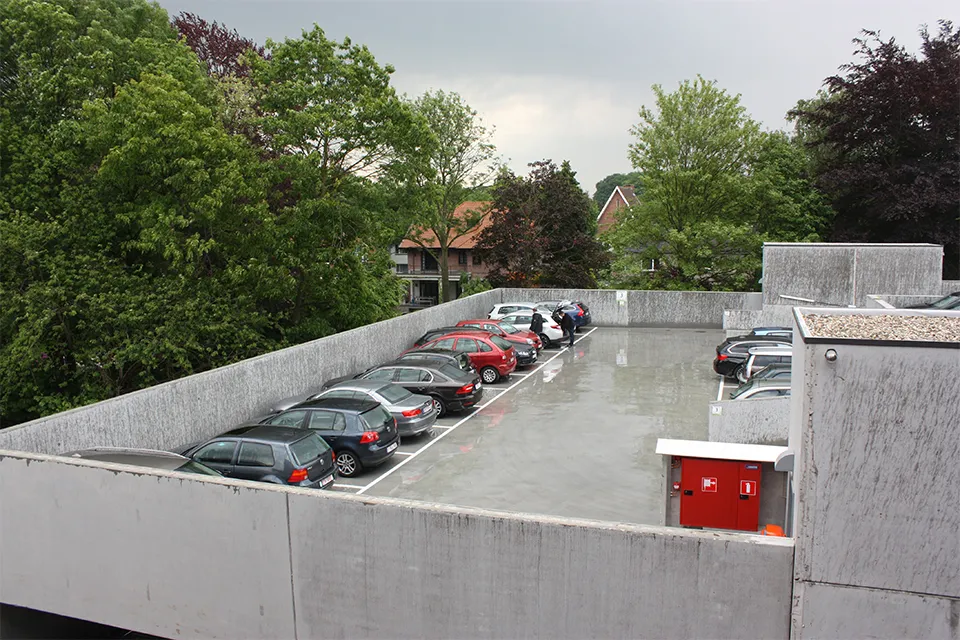
Parking charges at hospitals are causing problems for patients, says Arthur Schellekens, director of the Dutch Patients’ Federation. He is not fundamentally opposed to paid parking at hospitals, but believes rising charges are a problem. “For the average patient, who goes to hospital once a year, it is still affordable. But for someone with a chronic condition, the costs soon start to add up.” In addition to issuing exit vouchers to regular patients, hospitals could, in his view, make greater use of digital care, including video calls, remote monitoring at home and remote consultations. Others argue that parking charges are necessary because they help hospitals cover some of their costs. They also prevent local residents from routinely parking their cars there.
Question about this story? Ask your question
Keep following this
Get an email when a new story is published. No account needed.
- SubjectGeneral







