Zorg.tech Congress 2019: What can healthcare learn from industry?
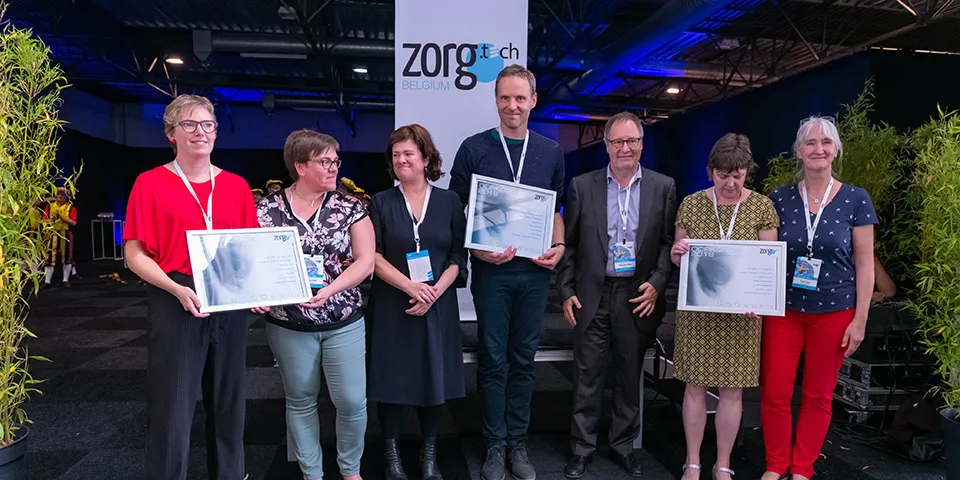
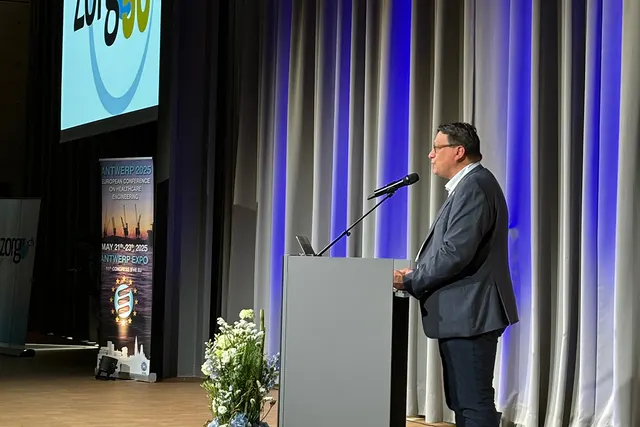
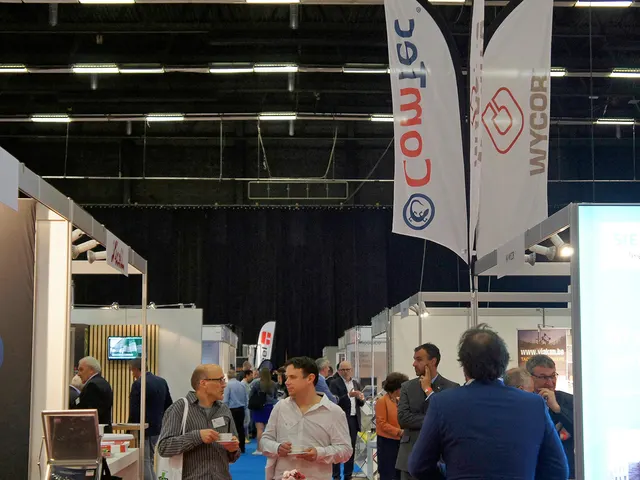
The annual congress of Zorg.tech, the Flemish organisation for senior staff involved in the planning, delivery and technical operation of buildings and installations at general healthcare institutions, took place this year at Brussels Kart in Groot-Bijgaarden. This time, delegates set out to discover what inspiration and valuable lessons they could find in industry.
Bart Michiels and Florian Anaf explained how sports giant Nike sees the future. Their employer wants to embrace the circular economy. It has already opted for renewable energy, multimodal logistics, green façades, rooftop beehives and recycling. The presentation was smooth and engaging, but, as is typical of American companies, very much in line with the mainstream and highly polished. Almost all the actions and measures mentioned were based on marketing and investment decisions, rather than having emerged from operational situations. They did lift the veil a little on one occasion: England’s failure to reach the final of the last World Cup left Nike with a stock of unsellable T-shirts for the English market. “In the past, they would have ended up in the shredder,” they said. “Now they have been recycled into backpacks.”
Picanol
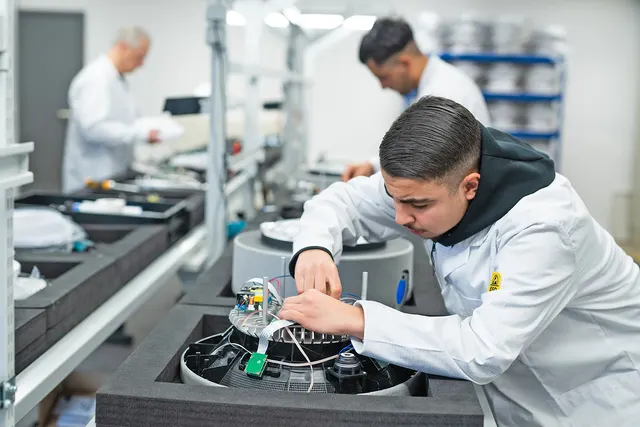
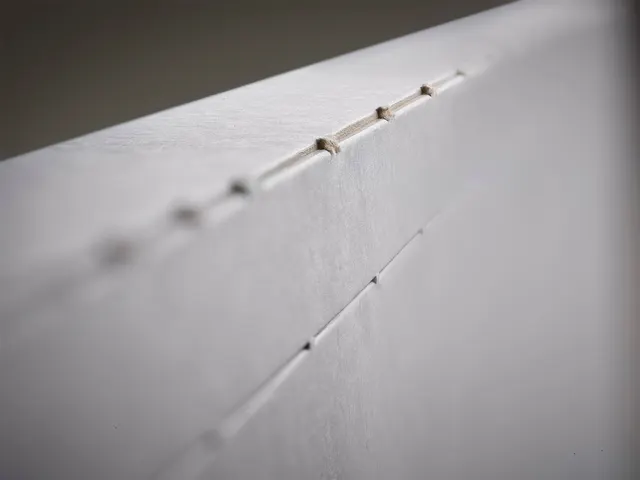
Could a loom manufacturer offer inspiration to the healthcare sector? Geert Ostyn of Picanol convincingly showed that it could. Picanol is one of the leading players in its sector worldwide. Picanol machines are used to weave both denim and car tyres. The company generates 80% of its revenue outside Europe, but employs two-thirds of its staff in Ypres. “That one site is home to a lot of people with a wide range of skills,” Ostyn explained. “But they often lacked an overview of the whole operation. We discovered, for example, that 80% of our employees did not know what 3D printing was. At the same time, we had already organised many guided tours for visitors to our site. So we decided to open these up, so that our own employees could also find out what their colleagues do. During the tours, we let employees from the areas concerned do the talking. That helps us create new ambassadors, because now they all have a complete story to tell about what Picanol does.”
Exoskeleton
Interaction also takes other forms. Picanol, for instance, gave 300 employees the chance to try out an exoskeleton. “Not just in the factory, but also for jobs at home. Exoskeletons could potentially help people continue working into older age, although we have since decided not to roll out their use.” Ostyn is not concerned that such experiments do not lead to the technology being implemented. “It is important for employees to be able to try it out in an informal setting and share their experiences. We have already seen how important variety is during the digitalisation of our business processes. And so is surprise. The absence of it leads to stress in the workplace.”
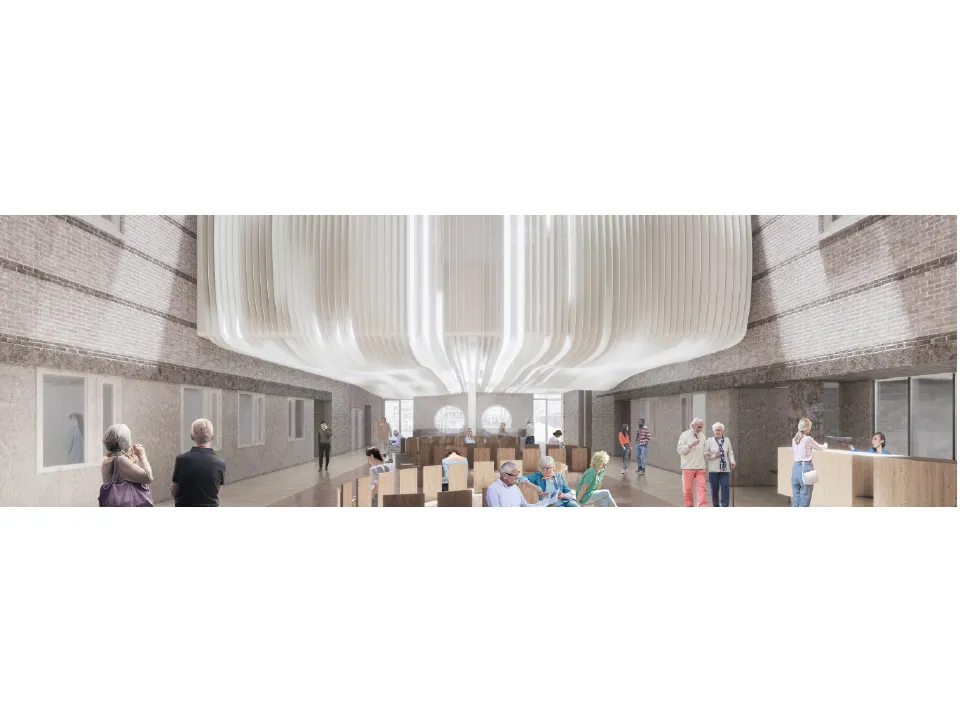
Christophe Allaert (AZ Damiaan Oostende).
In his introduction, former care minister Steven Vanackere referred to the ongoing wave of mergers and consolidation in the healthcare sector. In his view, this is all about the major investment needed to keep up with the rapid pace of technological change. It is becoming harder for groups with less financial clout to access the latest technological developments.
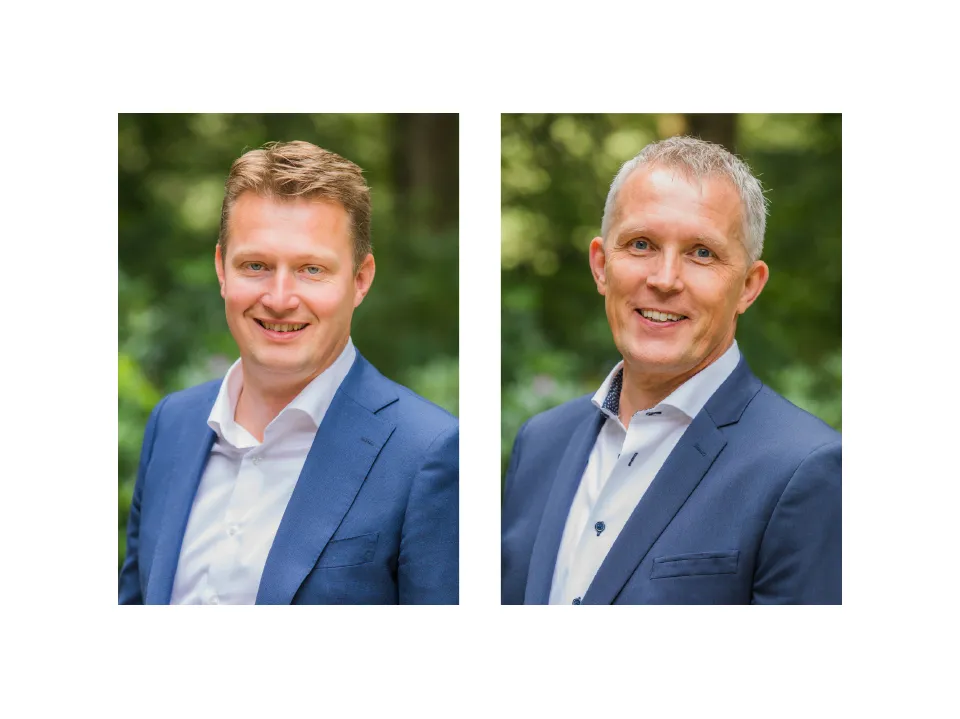
Carl Zwinnen (Jessa Ziekenhuis Hasselt).
Between two worlds
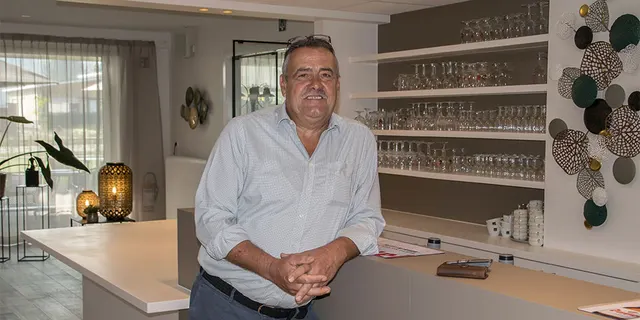
Zorg.tech members Karl Zwinnen and Christophe Allaert, from Jessa Ziekenhuis in Hasselt and AZ Damiaan in Oostende respectively, previously worked in industry: Karl at Janssen Pharmaceutica and Daikin. They compared their experiences. “A hospital is more complex and larger than many companies. But its technical team is often much smaller. And when something goes wrong in industry, the technical services get extra support more quickly,” they said. “Congresses like this are therefore very useful for sharing experiences.”
Social project
As usual, the congress also saw the presentation of the ‘awards’: accolades, or perhaps more accurately, a helping hand for outstanding social projects in healthcare. This year’s first prize went to residential care centre Dijlehof in Leuven for its ‘Dagelijks Groen’ project. The care home wants to buy adapted gardening equipment to enable older people to spend time outdoors every day. The second prize also went to an organisation in Leuven. Medisch Pedagogisch Centrum Terbank wants to use a ‘Rustbox’ as a tool to help people learn to cope with tension and avoid conflict. MPC Terbank is a multifunctional centre for boys and girls aged 3 to 21 with mild or moderate intellectual disabilities and additional emotional or behavioural problems. Many behavioural problems are an expression of tension and stress. To help resolve conflicts, Terbank developed the online tool Sorrybox several years ago, which is now also used in many other places in Flanders.
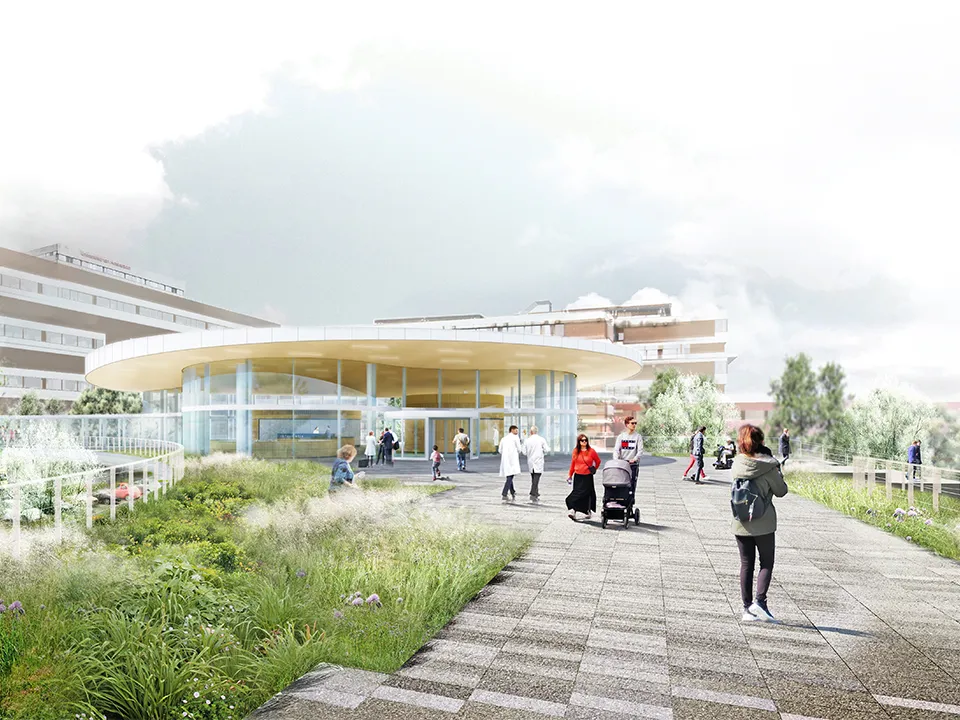
Geert Ostyn (Picanol).
Terbank now wants to expand Sorrybox with a Rustbox. This will include, among other things, relaxation cards with audio and video clips, such as sleep meditations adapted for young people with intellectual disabilities. The centre also wants to train its staff in sensorimotor methods, so that these can be embedded across the organisation in a broad and varied way. The aim is to make the material available online too, via a dedicated website, so that other care providers can use it.
Vzw Eigen Huis from Grimbergen took third prize with an adapted bath seat with a headrest and an extra cover, making it more comfortable to enjoy a bath.
Question about this story? Ask your question
Keep following this
Get an email when a new story is published. No account needed.
- SubjectHealthcare technology