Comfort in every curve: creating a homely feel with care furniture
Text Maxime Piëtte Beeld Vervoort Meubelen
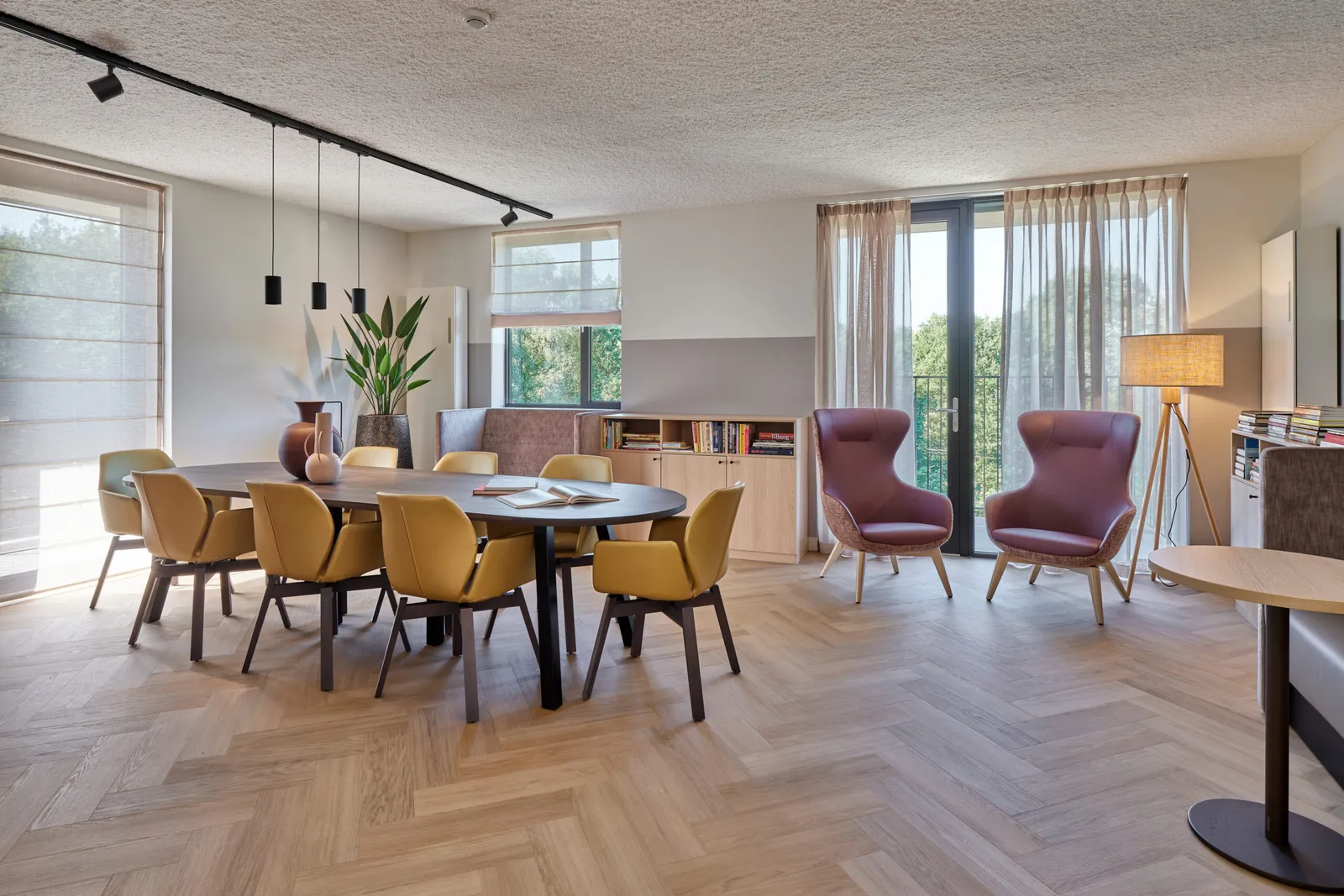
Care interiors with softness and style
The design of care environments is changing. Whereas they once had to be primarily functional, atmosphere, warmth and experience are now playing an increasingly important role. Modern care calls for spaces that feel accessible, welcoming and familiar, places where residents, staff and visitors all feel at home. “We notice that the idea of a homely feel in care is taking on a new form,” says Claudia Stalpers, Care Sales Manager at Vervoort Meubelen. “It is no longer about standard furniture, but about pieces that create a sense of calm, make people feel welcome and remain practical to use.”
From sleek to soft
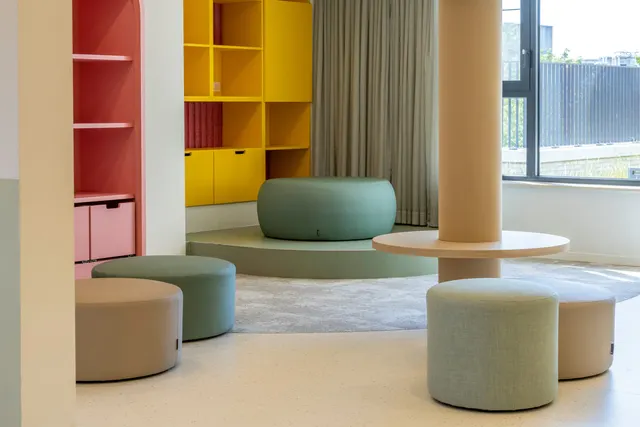
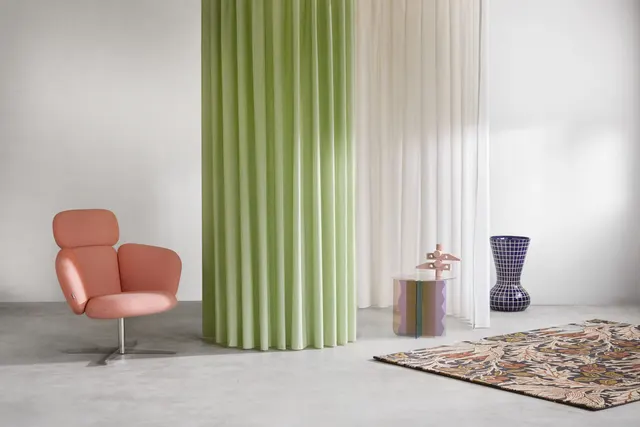
This shift is clearly reflected in the design language of contemporary care furniture. Clean lines and sharp corners are giving way to softer, rounded shapes. Chairs and tables have rounder silhouettes, armrests flow seamlessly into backrests, and materials feel warmer. The result is an interior that not only looks comfortable, but feels softer too. At Vervoort Meubelen, they have seen this trend reflected in requests from the care sector for several years. “The need for a sense of security is greater than ever,” says Stalpers. “Rounded shapes bring a sense of calm to a space. This has a positive effect on residents’ wellbeing and on the atmosphere for staff.”
A touch of retro in care
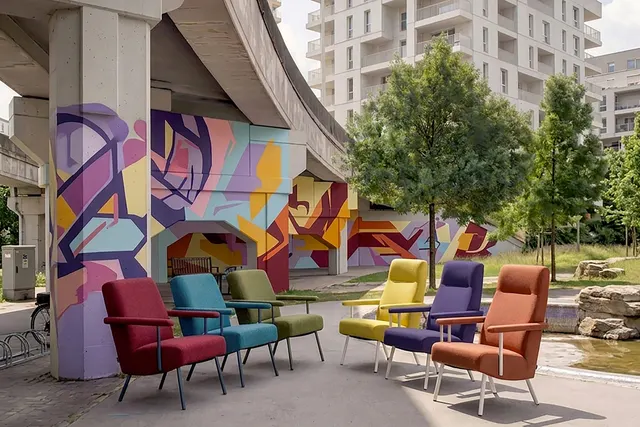
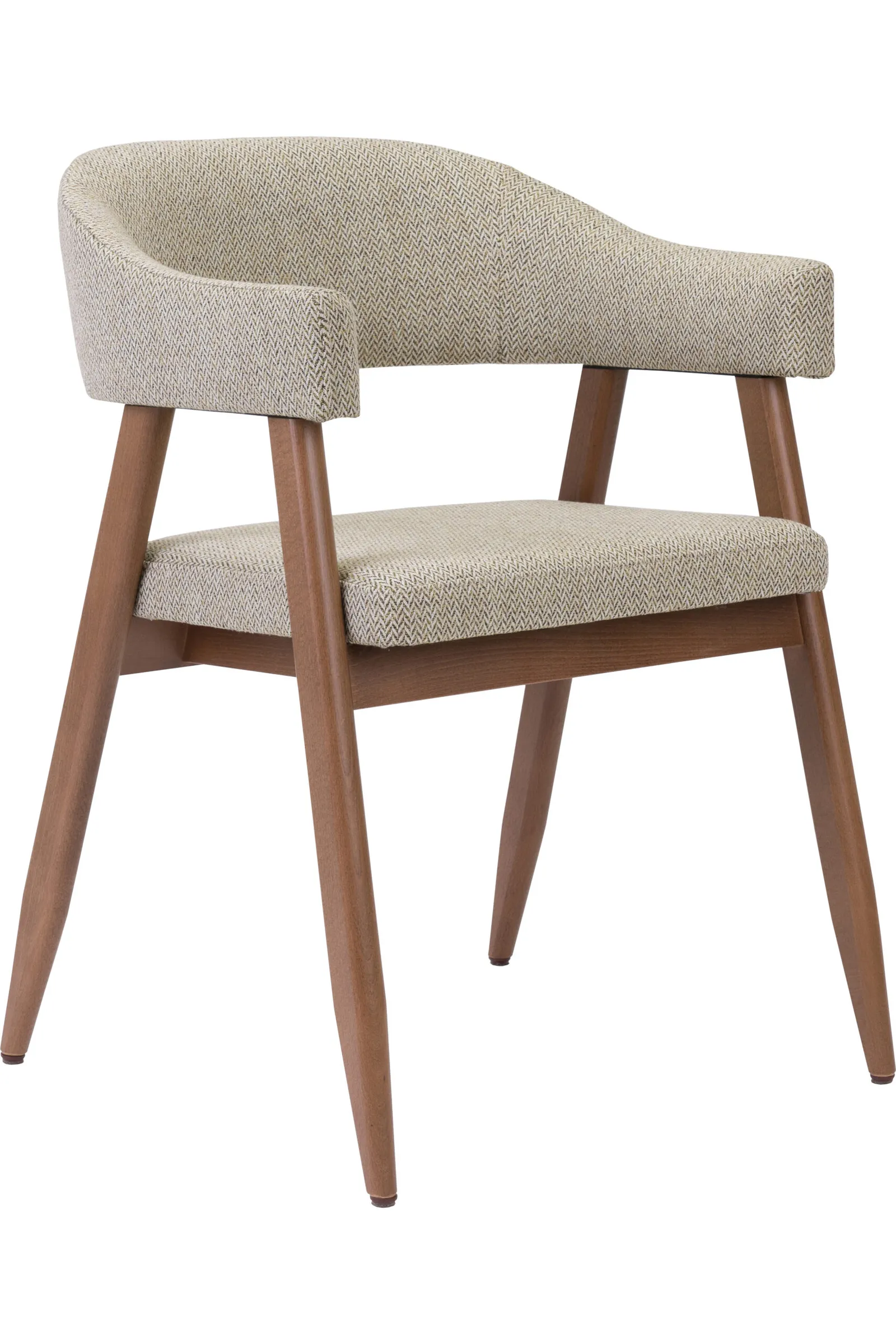
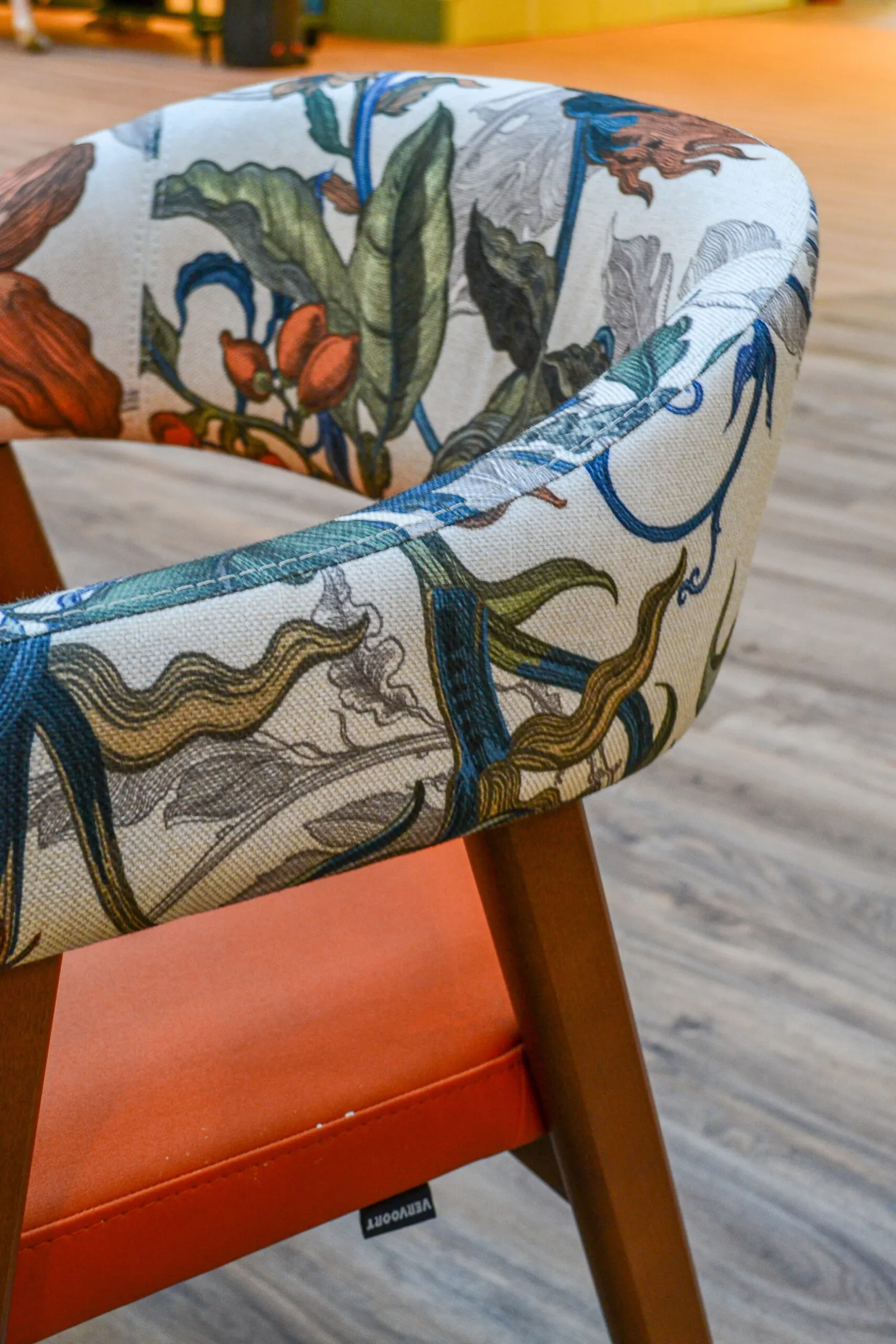
Notably, many new designs feature subtle references to the 1960s and 1970s, decades when warm wood tones, flowing lines and friendly shapes predominated. These retro influences give care interiors a familiar, homely feel without making them look old-fashioned. The Vikki armchair is a good example. Its armrests flow seamlessly into the backrest, giving the chair its characteristic softness. At the same time, its shape is a subtle nod to the retro designs of the last century. The Bryson armchair also embodies this style, with flowing lines in which each component blends seamlessly into the next. Its wide backrest and additional headrest also make it particularly well suited to care environments: stylish, while offering comfort and support.
Harmony in the dining area
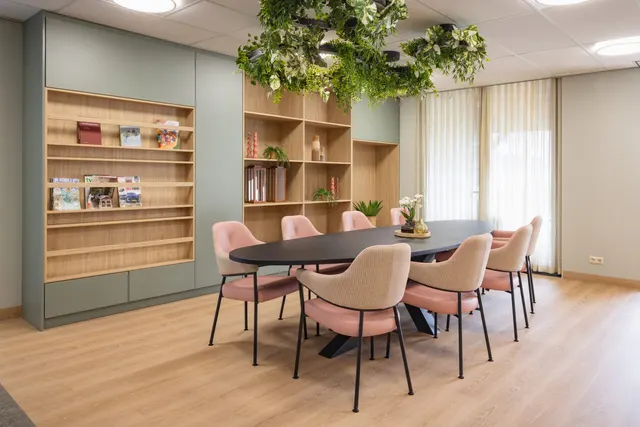
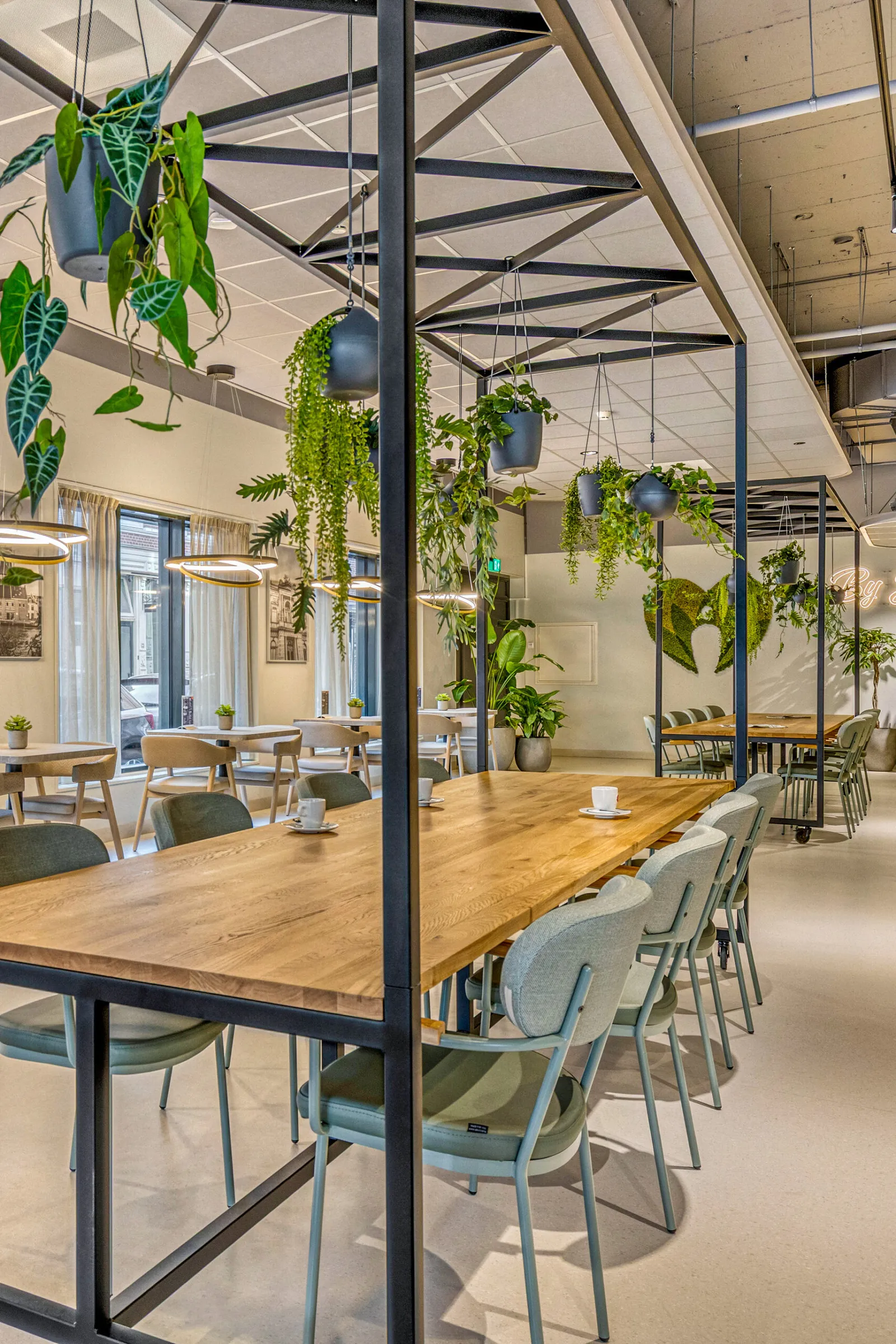
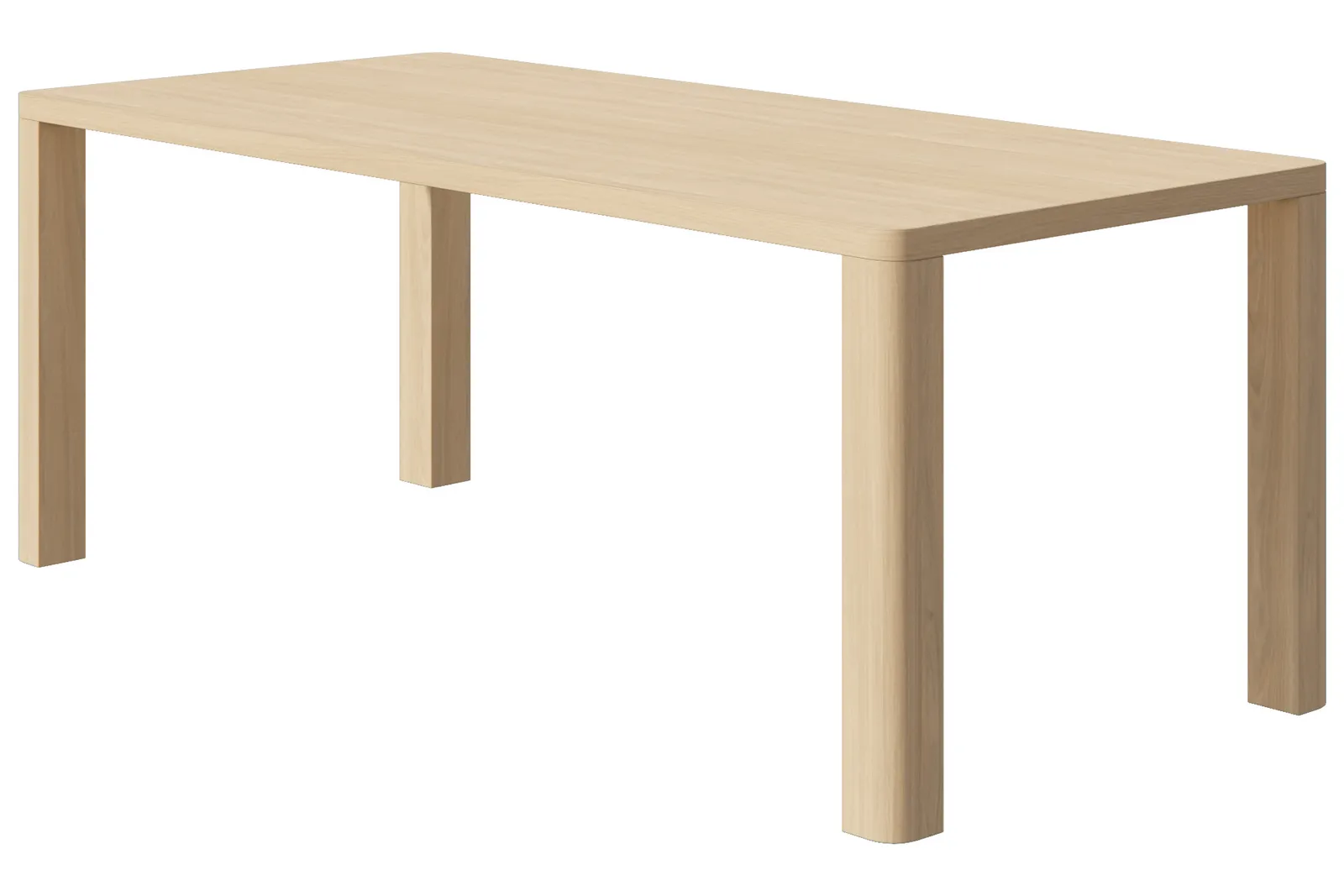
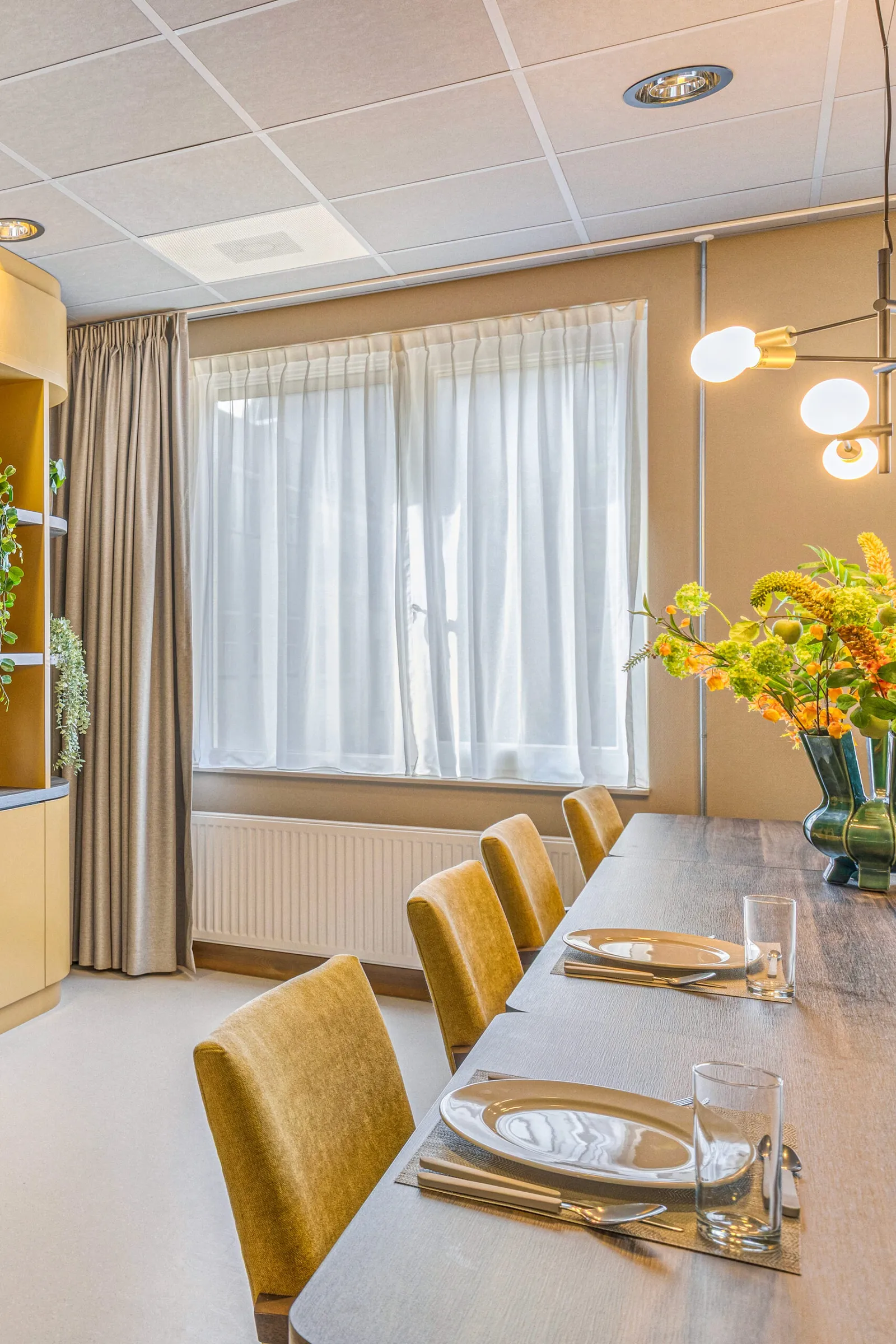
It is not only seating areas that are becoming softer; the trend is also evident in dining areas. The Oregon round dining table shows how rounded shapes make spaces more accessible. Everyone can pull up a chair with ease, including wheelchair users, without having to contend with sharp corners or awkward table legs. The rounded edges of the tabletop and legs enhance the sense of friendliness and openness.
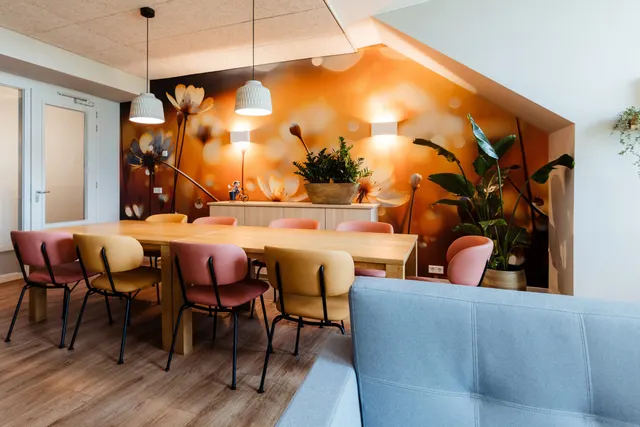
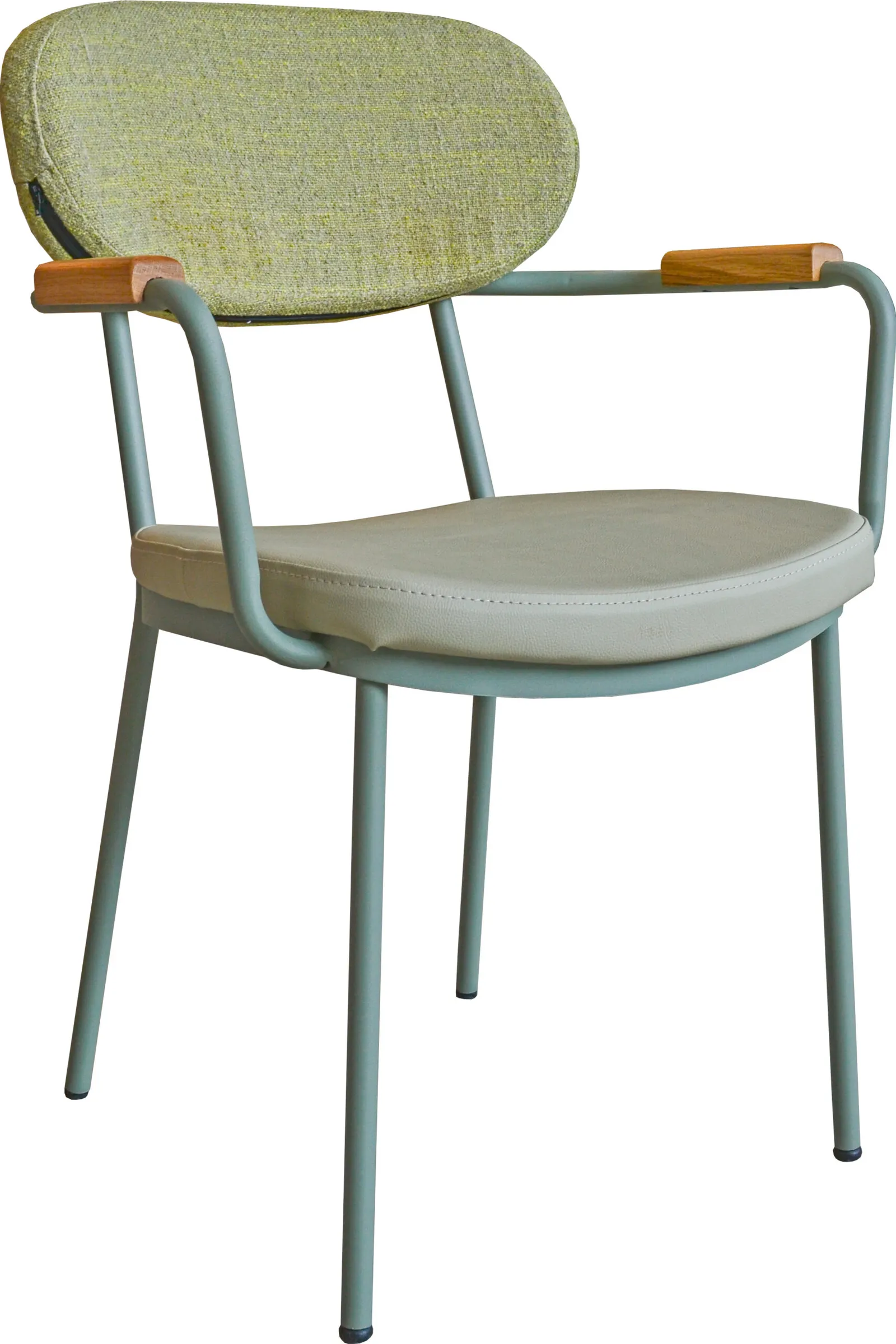
Lighter, multifunctional chairs are also becoming popular, alongside tables and armchairs. The Chester armchair is a good example: an accessible, lightweight chair with a steel frame and a rounded backrest that adds softness. The wooden arm detail adds just that little touch of warmth that makes all the difference.
Comfort with character
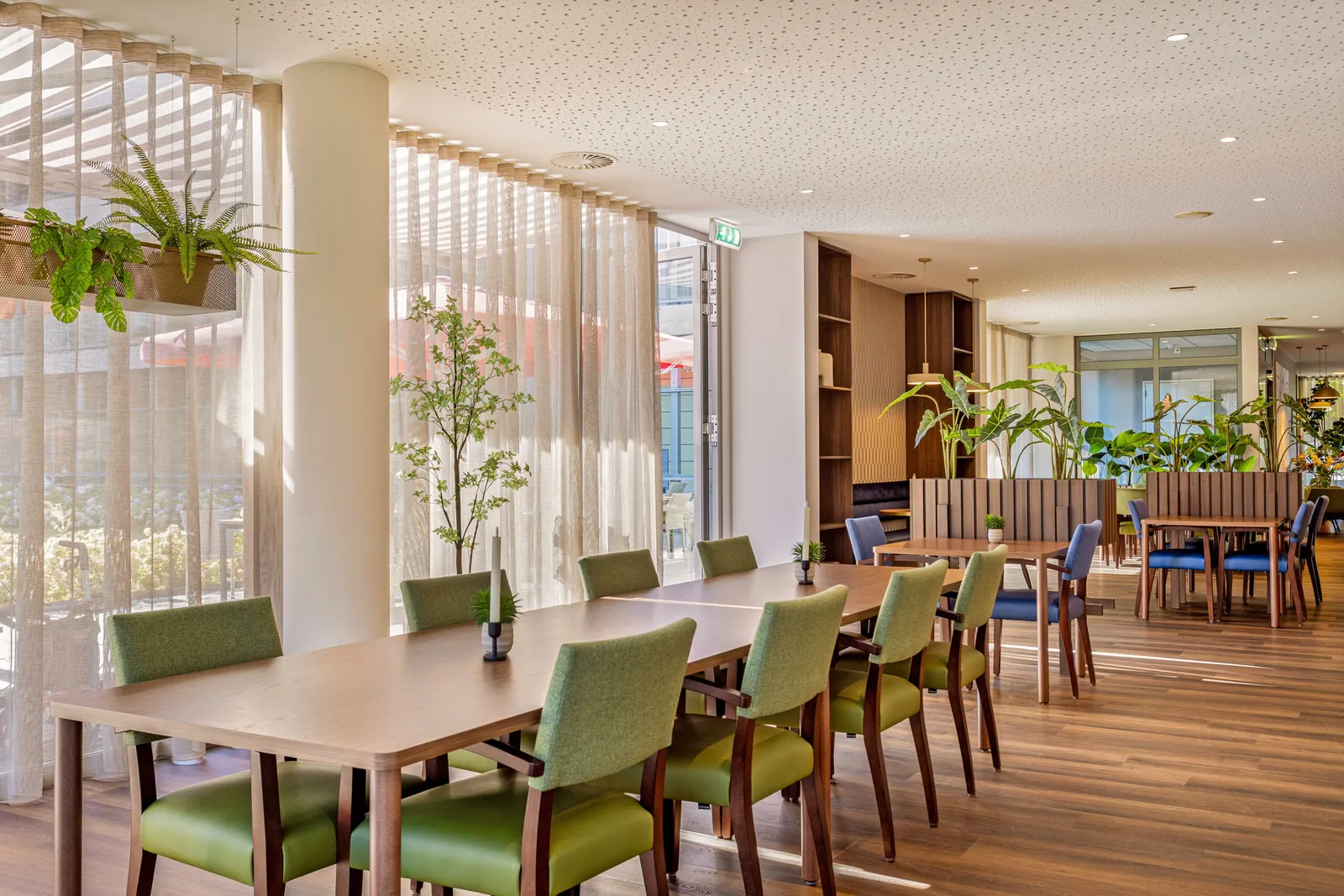
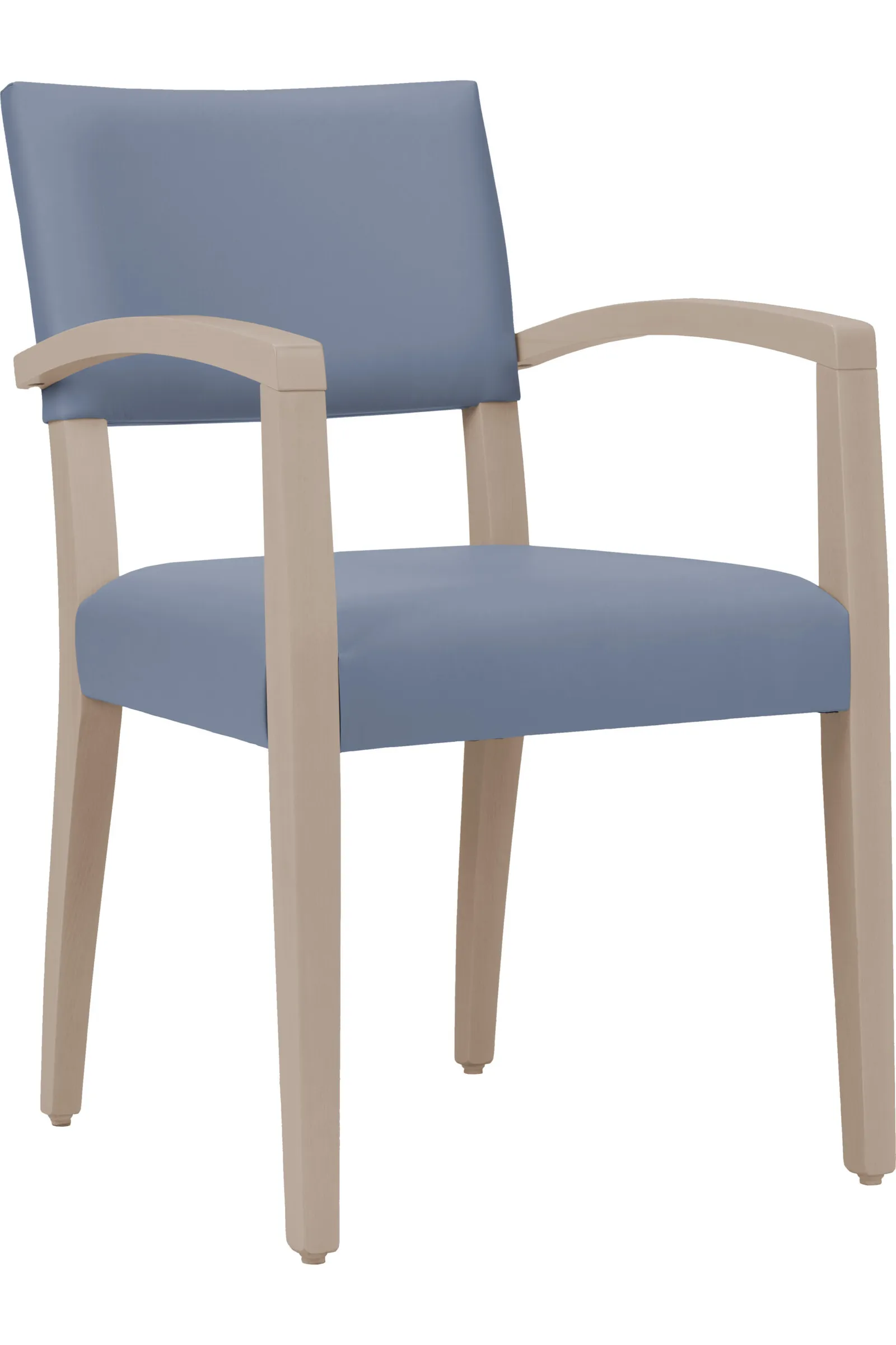
The balance between functionality and experience remains at the heart of care interior design. Furniture must be robust and easy to maintain, while also contributing to a pleasant living environment. The Veda armchair is a good illustration: its lines are still clean, but rounded corners and curved armrests give the design a softer appearance. Its high level of comfort makes it a real all-rounder, suitable for residents, visitors and staff alike. At Vervoort Meubelen, they do not see this trend as a passing fashion, but as a lasting development. “Care furniture can now be seen,” concludes Stalpers. “It can have character, as long as it remains welcoming and comfortable. That is exactly what defines the new generation of care interiors: softness, style and, above all, humanity.”
Een zakelijke vraag aan Vervoort Meubelen? Get in touch
Companies in this story

Keep following this
Get an email when a new story is published. No account needed.
- ThemeInteriors for housing and care
- SubjectInteriors
- CompanyVervoort Meubelen