Medical equipment and furnishings
Comfortable warming vests also help reduce waste
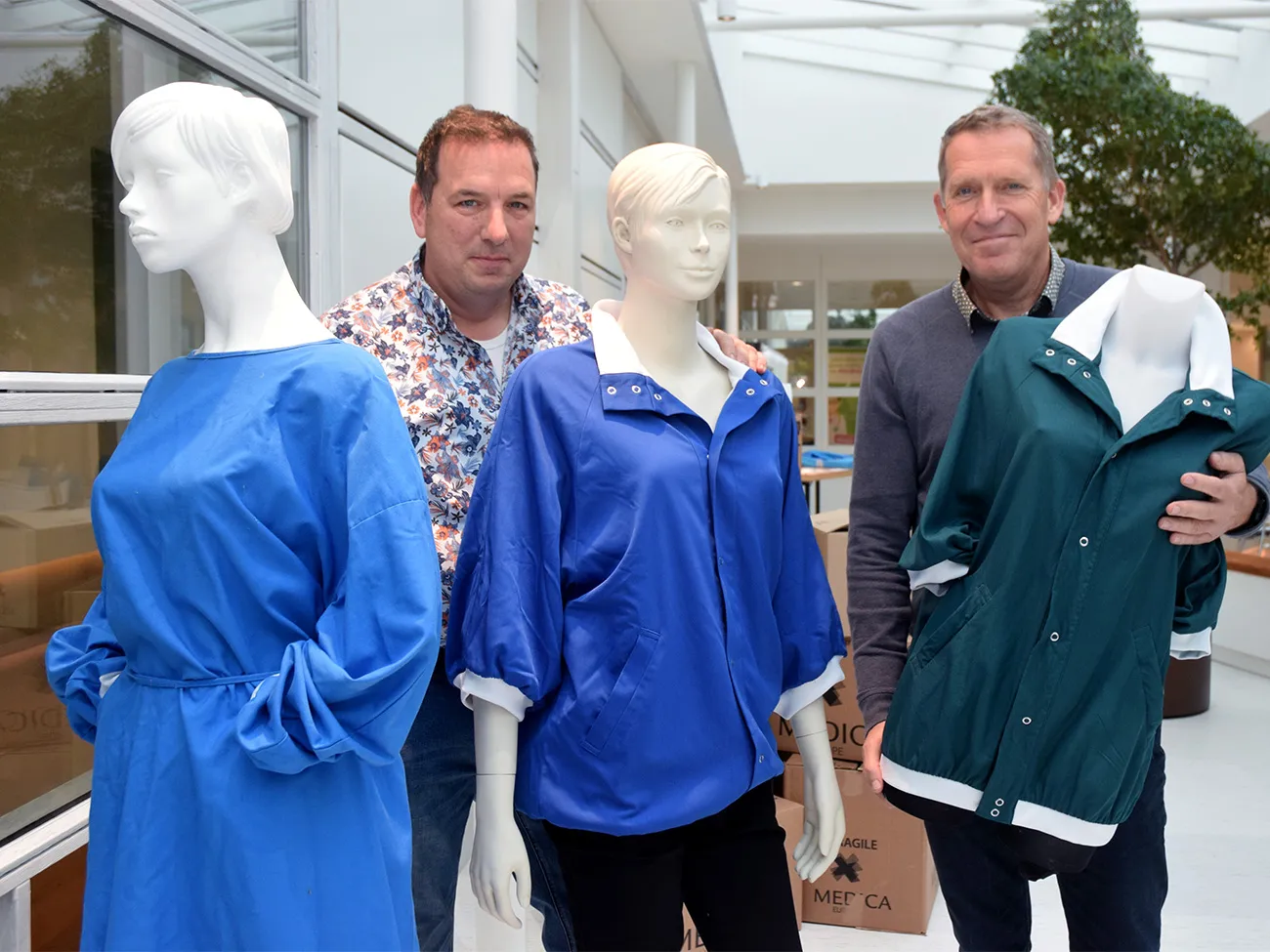
Comfort was naturally a key factor in choosing the warming vests. Mark Sijstermans of Bravis ziekenhuis and Mike Knoppert of Franciscus Gasthuis & Vlietland see the benefits for staff, especially on night shifts.
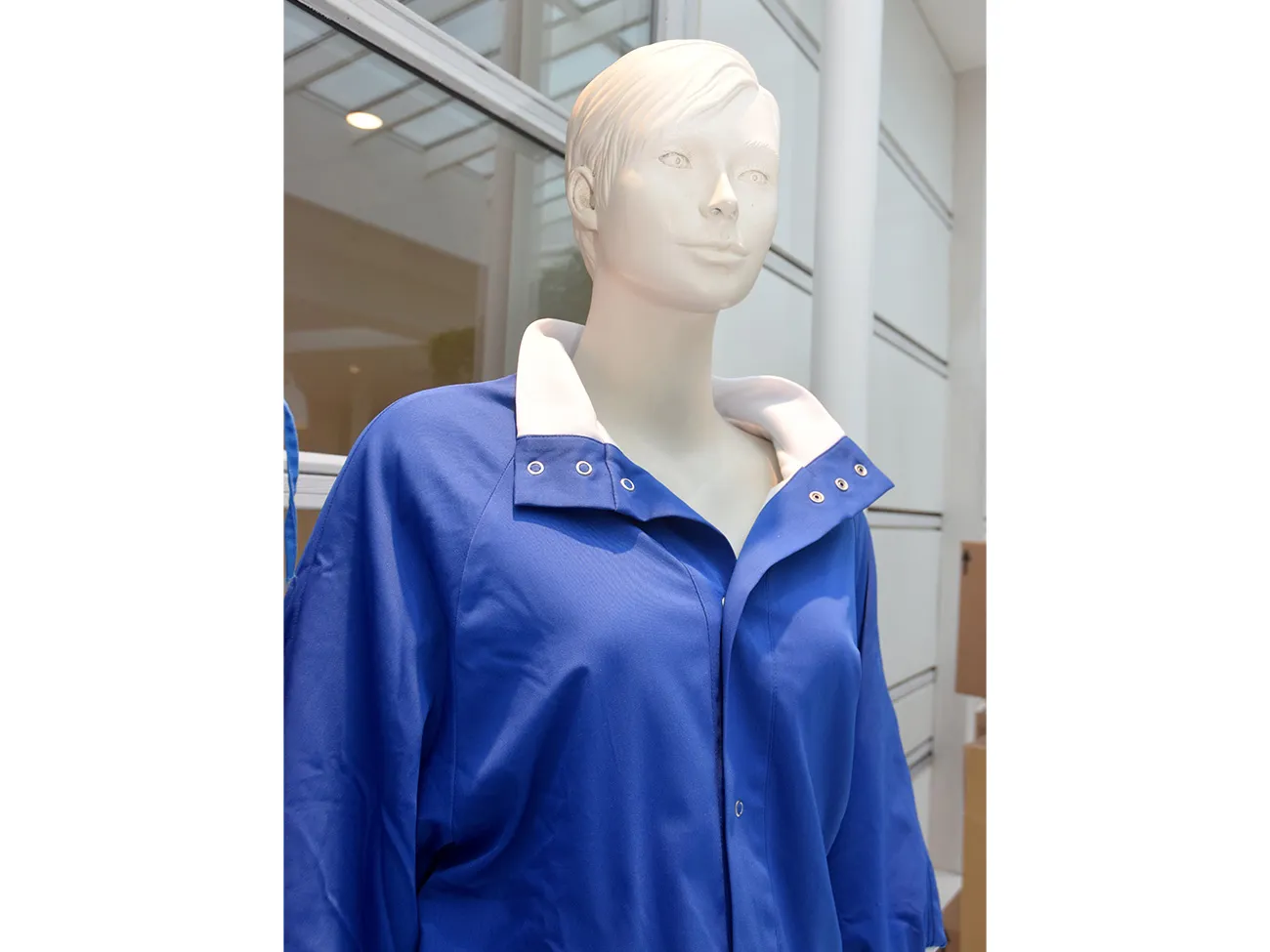
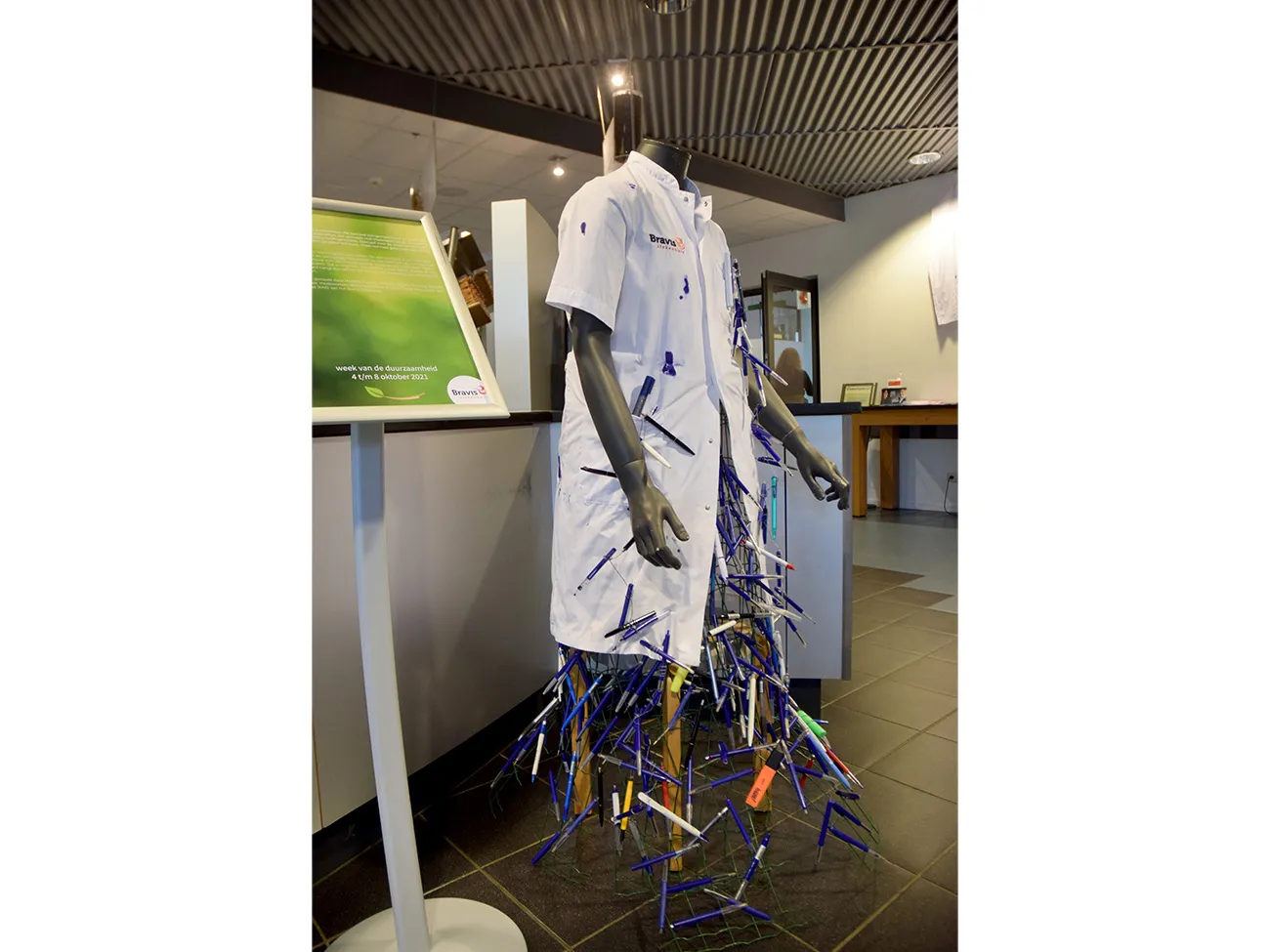
For Bravis ziekenhuis in Roosendaal and Bergen op Zoom, Sijstermans immediately links this to ‘sustainability’. “Using the green and blue nursing vests means far less disposable material ends up in the bin.” Healthcare organisations, particularly hospitals, are doing everything they can to reduce waste. If this can be achieved with garments that can be worn frequently, meet high hygiene standards and are comfortable too, then they are more than worth considering. It is coincidental that the conversation with Mark Sijstermans (Bravis) and Marco van Popering (VP Medicals) takes place during Sustainability Week. But the step Bravis ziekenhuis is taking with its warming vests for nursing staff fits seamlessly with the week’s theme. “There had been demand for the warming vests for some time. Some colleagues who regularly work night shifts had asked for them, as had staff in stationary or seated roles, such as anaesthetic nurses.” Mike Knoppert agrees. “Our staff have long wanted the warming vests. That applies to both nursing and paramedical teams. They will become a permanent part of the clothing range at Franciscus Gasthuis & Vlietland.” He expects the vests to be worn mainly at night. “A different body clock often calls for investments of this kind. We cannot yet say what the practical experience will be. The more than 1,000 vests are expected to arrive here before winter.”
A conversation between Sijstermans and Van Popering, who also supplied protective gowns to Bravis during the coronavirus pandemic, soon turned to ‘vests’. The Hygiene and Infection Prevention (HIP) teams at both Bravis and Franciscus Gasthuis & Vlietland were naturally involved in the process. Their approval cleared the way for Van Popering to produce the garments. “We carefully selected the fabric together, although we already had experience with it from the protective gowns: low particle release, suitable for at least 120 uses and washing at 60°C. Combined with a good fit and the required three-quarter-length sleeves, the result speaks for itself.”

Sijstermans and Knoppert agree with the assessments of the garments and their appearance. Sijstermans says the warming vests have been in use at Bravis for some time. Both he and the staff are enthusiastic about their quality. “They more than meet expectations when it comes to frequent wear and washing. They have a chip so they can be included in the hospital’s automated clothing dispensing system.” Van Popering returns briefly to the materials. “The warming vests contain a carbon thread, which makes them antistatic. This not only increases staff comfort, but also patient safety.”
Question about this story? Ask your question
Keep following this
Get an email when a new story is published. No account needed.
- SubjectMedical equipment and furnishings