Medical equipment and furnishings
Acoustic design in healthcare: Six strategies for calm, recovery and regulatory compliance
Text Maya DebieImage Adobe Stock

You have probably heard it before, and it has been written about many times. Yet sound remains one of the most underestimated factors in healthcare environments. It shapes patients’ experience and affects recovery, stress levels and even medical accuracy.
Excessive noise can make the difference between calm and agitation, and between concentration and mistakes. That is why organisations such as the WHO, the Facility Guidelines Institute (FGI), ASHE, ANSI/ASA, LEED and the Veterans Administration (VA) have strict guidelines for noise levels in healthcare buildings. Meeting these standards while creating an environment where patients can recover and staff can perform at their best calls for carefully considered design decisions. Below, we outline six proven acoustic design strategies that support regulatory compliance, comfort and quality of care.
1. Create quiet zones
A hospital does not need to be constantly buzzing with activity. Quiet spaces promote recovery, reduce complications and support overall quality of care. Healthcare professionals also need places to relax, sleep or take a short break. Design tip: use buffer zones such as storage rooms or offices between patient rooms and busy areas such as nurses’ stations and corridors. Medication rooms and lifts are best located a little further from patient areas, so conversations and passing traffic are less likely to carry into rooms.
2. Choose the right materials
According to FGI guidelines, building materials in healthcare environments should contribute to sound absorption, speech privacy and a low reverberation time. Walls and doors with an STC rating above 45, ceilings with an NRC of at least 0.85, and floors that isolate vibration are the foundations. Sound is particularly sensitive in psychiatric units: harsh noises can intensify fear or stress responses. It is therefore advisable to use vandal-resistant materials that are also acoustically effective, combining safety with comfort.
3. Reduce alarm fatigue
The constant beeping of medical equipment is notorious. It not only disturbs patients’ peace, but also causes stress and exhaustion among staff. Research shows that prolonged exposure to noise increases the risk of burnout, a costly problem at a time of staff shortages. Smart technology can help: visual alarm systems and personal wearable alert devices communicate warnings directly and discreetly, without the team having to work in a constant cacophony of sound.
4. Keep HVAC and building services noise under control
The FGI recommends a noise criterion (NC) level of 25 to 30 for ventilation and mechanical systems. This requires quiet ductwork, silencers, insulation and vibration-isolated mounts. Avoid placing equipment directly above beds or operating tables, and design ductwork with as few bends as possible. In operating theatres and medication rooms, a clear acoustic environment is crucial for maintaining communication and concentration.
5. Use sound strategically
Complete silence can be just as uncomfortable as too much noise. Sound can actually contribute to a sense of privacy and security. Low-volume sound masking systems (‘white noise’) ensure that conversations cannot be heard by others, while making the space feel natural rather than clinically silent.
6. Give patients control
Recovery begins with a sense of control. Interactive room systems that allow patients to choose sounds themselves, such as nature sounds, music or soothing tones, reduce stress and support deeper relaxation. Offering a personalised sound environment strengthens person-centred care and makes technology an ally in promoting wellbeing.
Acoustics start outside
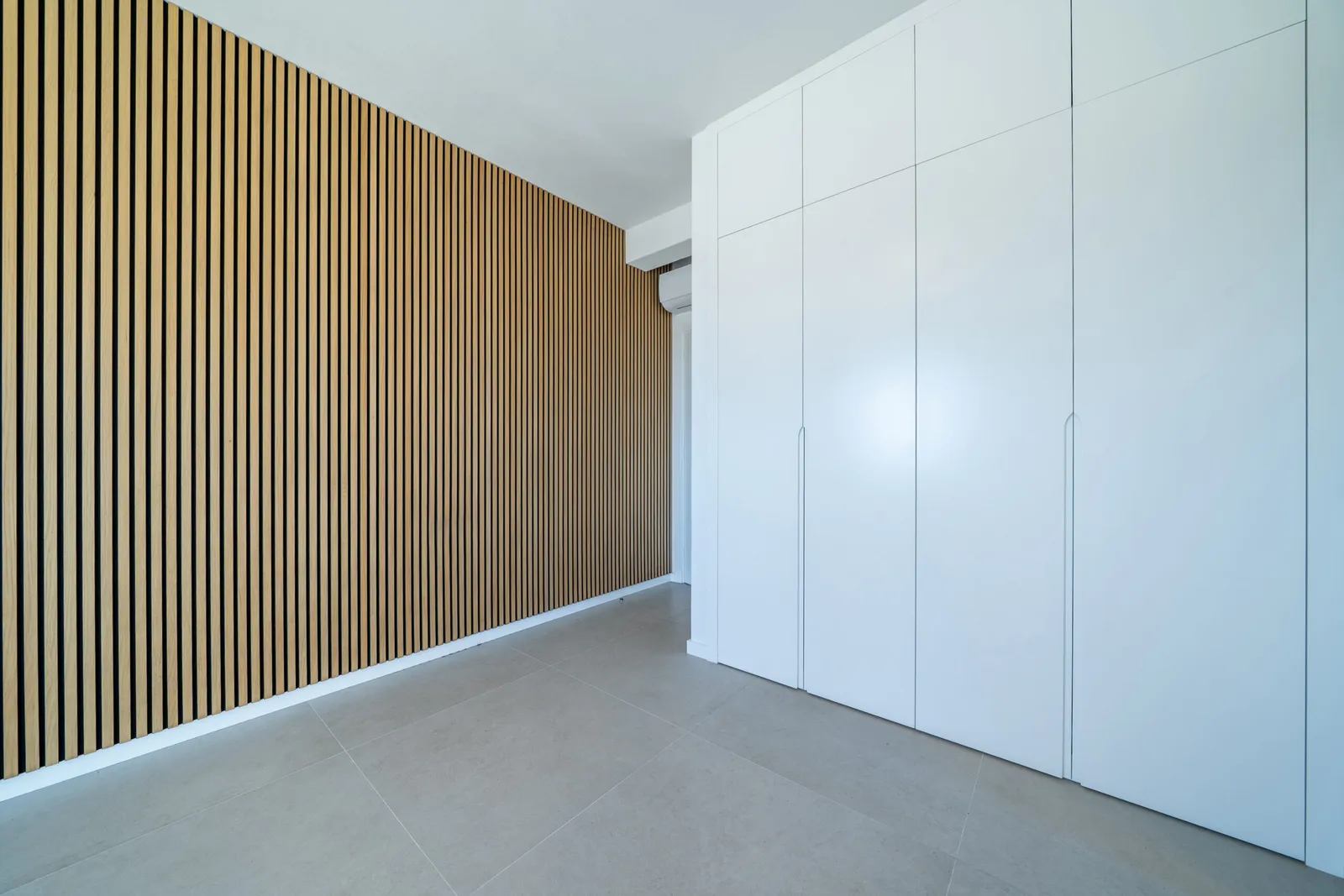
Noise control begins with the building design. In urban settings, traffic and sirens play a major role. Window systems with an STC rating of at least 40, a well-considered orientation of the building mass and sound-absorbing landscape features help reduce outdoor noise. Biophilic design also offers benefits: natural materials such as wood, cork or bamboo with acoustic backing absorb sound and create a calming atmosphere. In this way, acoustics go hand in hand with aesthetics and recovery.
Designing for the future
The rise of robots and automation is changing the soundscape in healthcare buildings. Examples include delivery robots, automatic doors and signalling systems. Choosing equipment with sound levels and adjustable volume in mind helps keep the care environment comfortable as technology becomes more integrated. The growth of prefabricated construction also calls for attention to acoustic detailing. New composite panels with foam, mineral wool or micro-perforated surfaces combine fast construction with excellent sound absorption.
Question about this story? Ask your question
Keep following this
Get an email when a new story is published. No account needed.
- SubjectMedical equipment and furnishings