New research from Yale University proves:
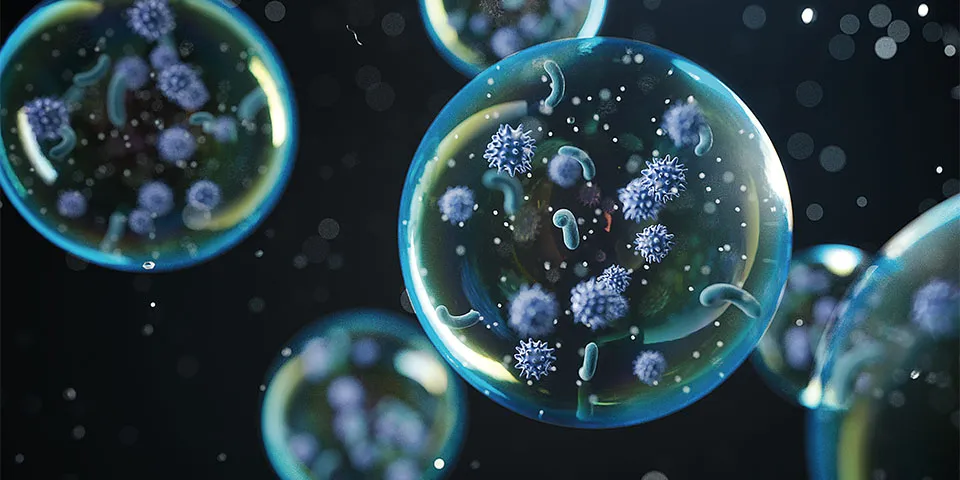
Previous studies have already shown that low relative humidity impairs the proper functioning of the mucous membranes in our airways…
‘Low humidity weakens our defences against (flu) infections’
Previous studies have already shown that low relative humidity significantly impairs the proper functioning of the mucous membranes in our airways. The latest research from Yale University now shows that low relative humidity also blocks our innate immune system, causes more cell damage in the respiratory tract and impedes repair processes.
This discovery is considered a breakthrough in research into how our immune and repair systems work. It is now clear that low relative humidity has a negative impact on the entire course of influenza, from the moment of infection through to recovery. The research has been received with great interest by scientists, medical professionals and the international press.
Diseases are transmitted by various microorganisms, including viruses, bacteria and fungi. While bacteria can replicate themselves, viruses, such as the constantly changing influenza virus that causes flu, need a host in which to replicate. In the process, they destroy the host’s cells. The body’s own immune defence cells must eliminate cells attacked by viruses. Bacteria such as salmonella or legionella can cause disease. Handwashing, regular ventilation and maintaining the correct relative humidity (RH 40-60%) reduce the opportunities for microorganisms to spread. To protect others, cough hygienically into the crook of your elbow.
The study by Yale University, published by the National Academy of Sciences, shows that at low humidity (<40% RH):
- The risk of flu and disease progression increases.
- The body’s immune system is blocked and the recovery process impeded, allowing influenza viruses in the lungs to multiply easily.
- Flu viruses coughed into the air can survive for longer.
- Inhaled viruses can infect us more easily because they are not cleared quickly enough by our cilia and mucociliary transport.
For more information, see the scientific article ‘Low ambient humidity impairs barrier function and innate resistance against influenza infection’ by Eriko Kudo, Eric Song, Laura Yockey, Tasfia Rakib, Patrick Wong, Robert Homer and Akiko Iwasaki.
Question about this story? Ask your question
Keep following this
Get an email when a new story is published. No account needed.
- ThemeSafe and reliable healthcare buildings
- SubjectInteriors