‘No home should be built without solar shading’
Text and images Renson
The need for minimum cooling standards in buildings
As buildings face the risk of overheating, legislation remains focused mainly on winter energy performance. It is precisely this focus on retaining heat that is driving up demand for cooling. Yet heat also affects our bodies and, if we resort to active cooling, our energy consumption. Is it time for new calculation methods, insights and the regulations to go with them?
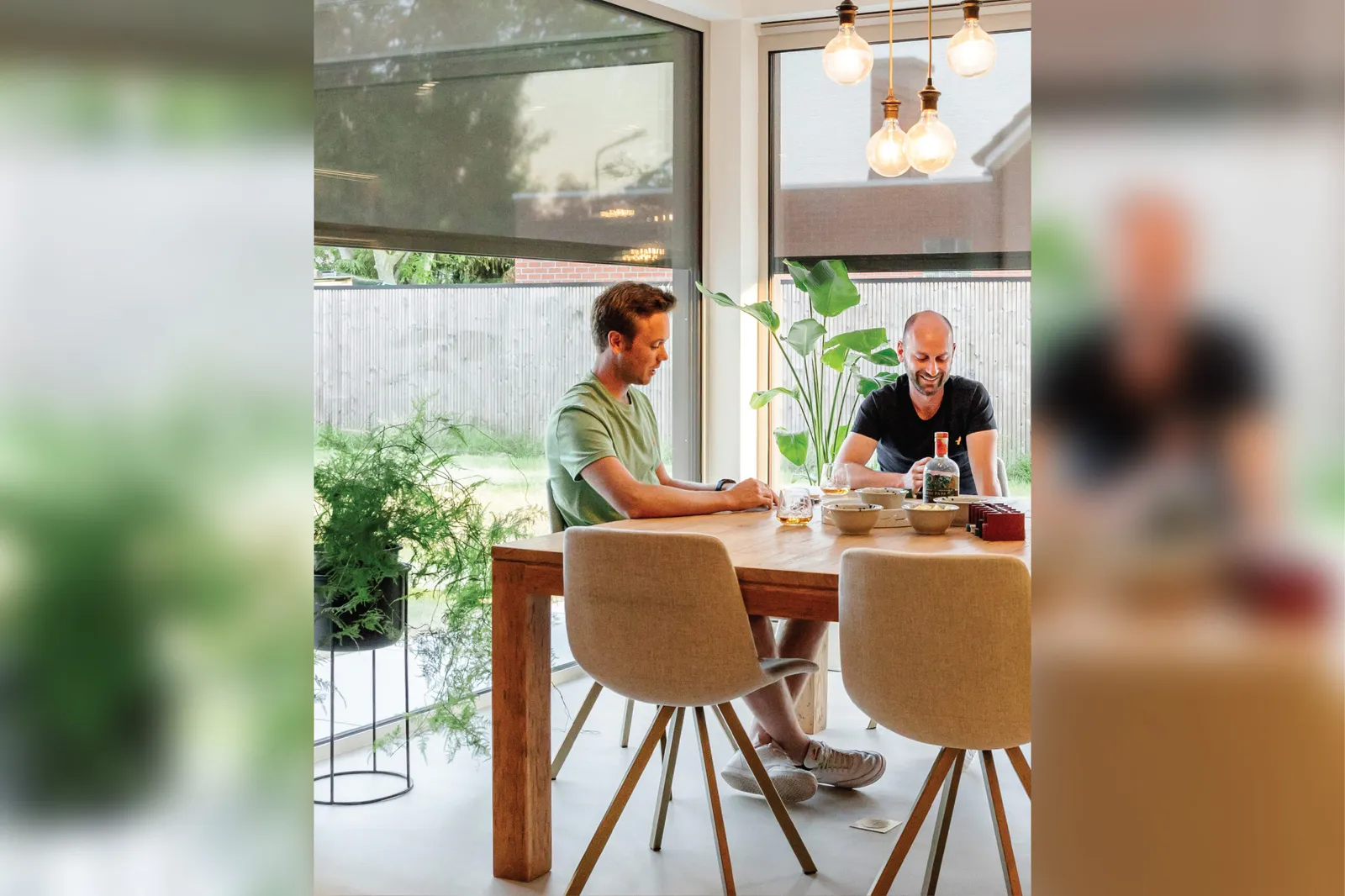
The Netherlands, France and Germany, among others, already have regulations aimed at limiting overheating in buildings. In Belgium, only the VIPA regulations, which apply specifically to care facilities, impose requirements in this area. This raises the question of why the same requirements should not apply to every building, now that warm periods are lasting longer and we are increasingly experiencing extreme temperatures. Architect-engineer Joost Declercq describes the contradictory situation: “When we convince a client of the need for solar shading, their EPB assessor says it is not necessary. EPB uses a static method, which is inadequate for correctly calculating summer comfort and cooling energy demand.”
Systematic underestimation
Shady Attia, head of the Laboratory of Sustainable Building Design at the University of Liège, shares this view. “Current calculation methods focus heavily on winter energy performance, while cooling demand and the risk of overheating receive too little attention. They often simplify actual conditions by failing to account properly for internal heat gains, user behaviour and the operation of solar shading or thermal mass. We also often use inaccurate or outdated climate files that underestimate actual solar radiation and the impact of heatwaves. The urban context and the urban heat island effect are usually ignored, leading to a systematic underestimation of the risk of overheating and acute cooling demand. In addition, too little attention is paid to the health impacts on vulnerable people. Passive measures such as solar shading, natural ventilation, thermal mass and the intelligent selection of materials must come first. These should be validated using dynamic simulations based on future climate scenarios, supplemented by user-friendly, practical tools for use during the design process.”
The right to comfort
Everyone has the right to heating. The question is whether the same should not apply to cooling. “Perhaps we should take a broader view and talk about the right to comfort,” was the view expressed at a recent expert panel. But what is comfort? It is a complex and highly personal matter, and one that also calls for an adaptive parameter. Declercq adds: “Above all, we must avoid a kind of minimum standard leading to even more cooling systems. The point is to keep the net energy demand for heating and cooling sufficiently low. The ultimate aim, of course, is always to do without cooling systems, and that is possible under current conditions with good building design.”
Specific thresholds
The best way to ensure sustainable living comfort during periods of extreme heat differs between renovation and new-build projects. New buildings offer many more options for integrating passive cooling strategies, whereas the existing structure often imposes limitations during renovation. Location is also crucial: the urban heat island effect plays a major role in cities, where temperatures can rise much higher than in the countryside. “Calculations must therefore take this context into account and set stricter requirements for urban areas than for rural settings,” says Attia. “In my view, EPB legislation should require overheating assessments for both new-build projects and major renovations. The emphasis should be on passive solutions, such as dynamic solar shading and ventilation strategies, before active cooling is permitted. Specific thresholds for indoor climate and health should be established, linked to clear responsibilities within design & build consortia. This will create measurable performance targets for summer comfort and health.”
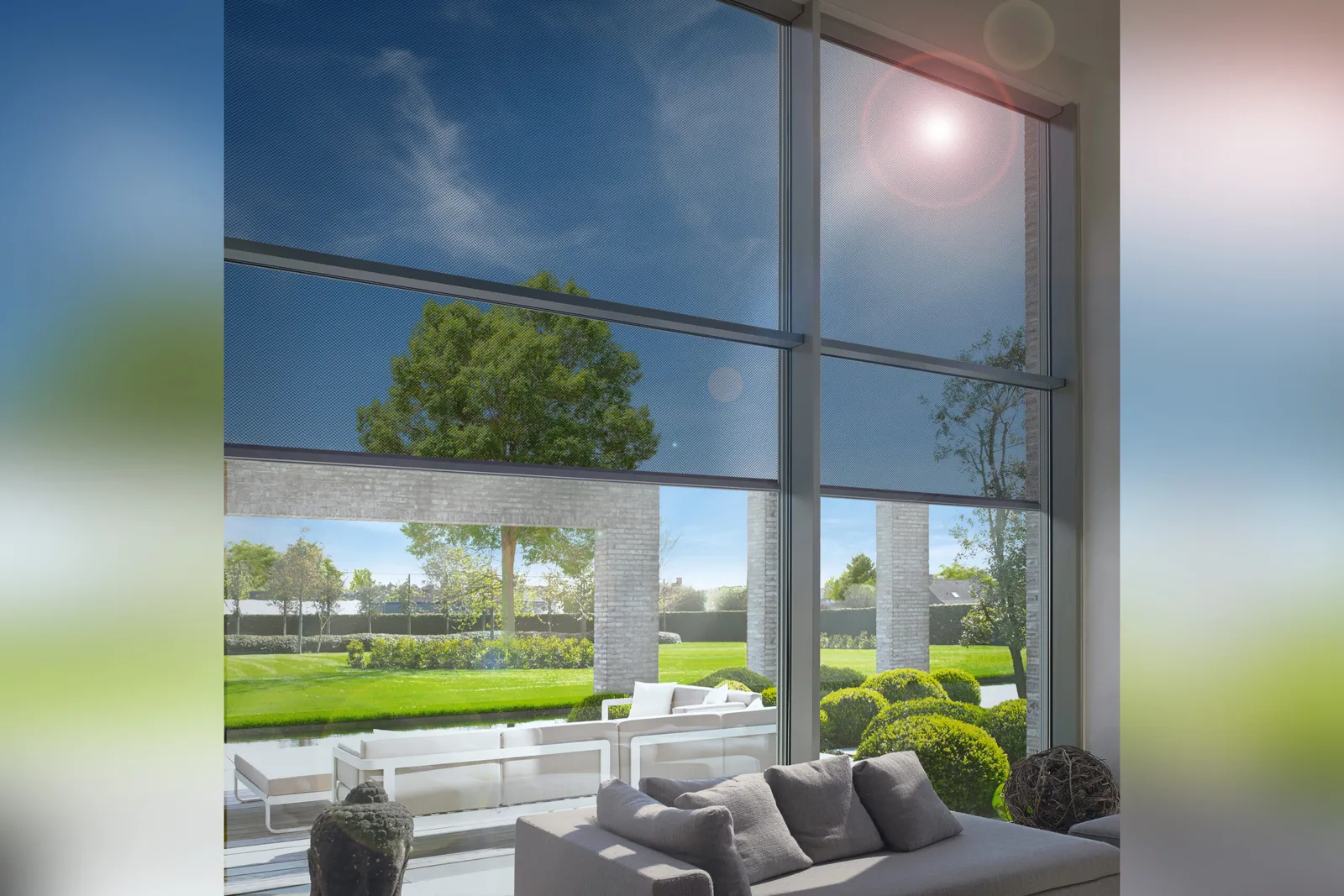
VEROZO also supports this idea and has put forward a specific proposal. “Alongside ventilation and insulation, solar shading should also be a mandatory feature of buildings,” says secretary-general Ann Van Eycken. “We should advocate dynamic solar shading, which you use when needed. This means you can still let in as much solar radiation as possible in winter and the shoulder seasons for free solar heat, while keeping the summer heat out.”
Inspiration from Sweden
How can this kind of shift in attitudes and legislation be put into practice? Sweden offers inspiration, says Attia. “There, intensive workshops were held with politicians, policymakers and regulatory bodies, from local to regional and federal level. Strong practical examples and specific case studies demonstrated the potential impact and built support. These insights were ultimately enshrined in law.”
A business enquiry for Renson? Get in touch
Companies in this story
Keep following this
Get an email when a new story is published. No account needed.
- SubjectInteriors
- CompanyRenson