Operating theatres, intensive care and cleanrooms
‘Modular builders and architects need each other desperately’
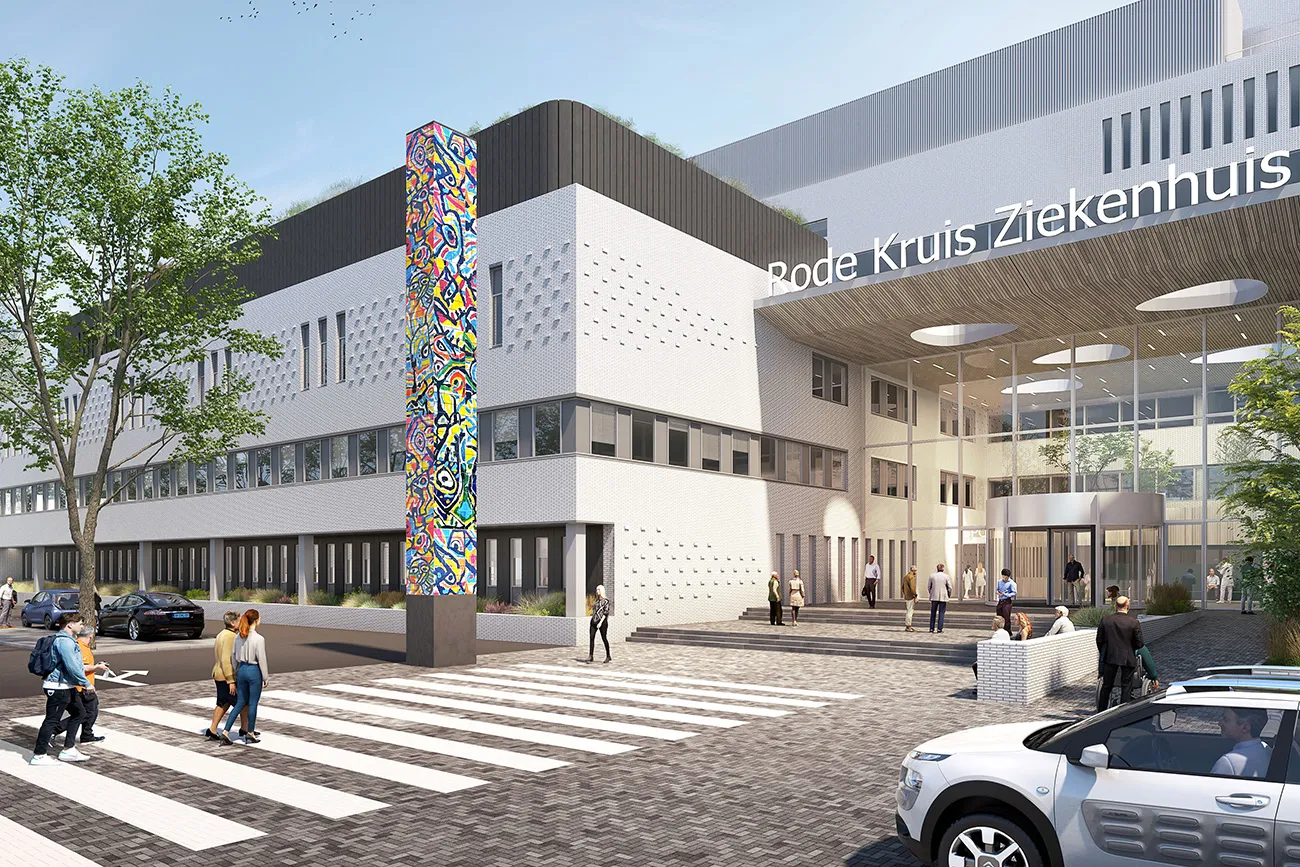
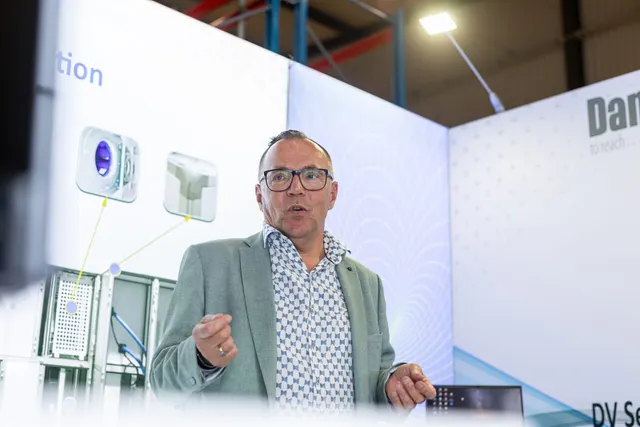
An integrated approach based on modular construction can shorten hospital construction programmes, particularly for ‘acute blocks’ such as operating theatre centres. “Medexs is the only modular contractor that manages both the delivery of building components and the entire construction process in-house, from start to finish,” says CEO Jos Lans. “At a time of supply problems, rising prices and staff shortages, this enables us to guarantee fixed prices.”

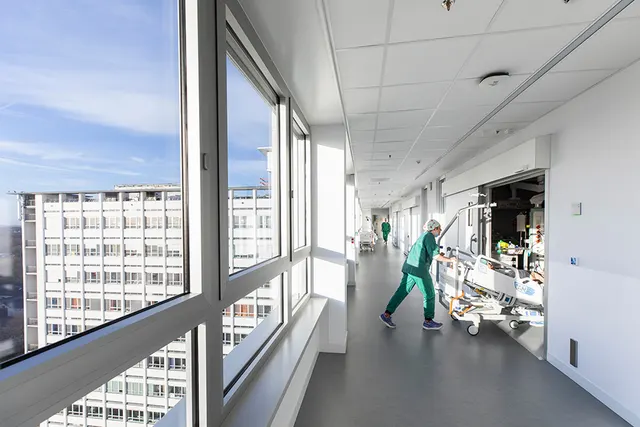
Medexs follows a one-stop-shop approach to design and construction for the current transformation of Rode Kruis Ziekenhuis Beverwijk. Lans says it is a good example of what is possible. Alongside his work as CEO, he is conducting doctoral research at TU Delft, which includes a focus on making healthcare buildings and controlled environments such as operating theatres more sustainable. “The entire RKZ project has been entrusted to Medexs, enabling us to optimise time, cost, carbon footprint and quality. We work through participatory design, drawing on the expertise of medical specialists, and can provide a price once consultants and architects have prepared a preliminary design (VO). Medexs takes over from the VO stage and develops the plan into a final design (DO). This is followed by the construction design (UO), at which point everything is fixed. This enables construction to be carried out more efficiently and quickly, with fewer people than in a traditional set-up.”
Innovation
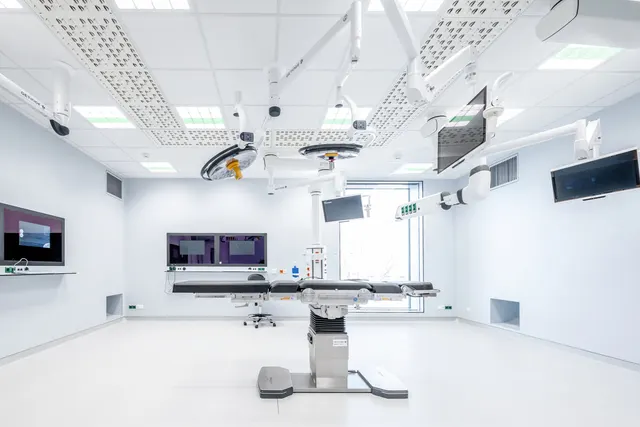
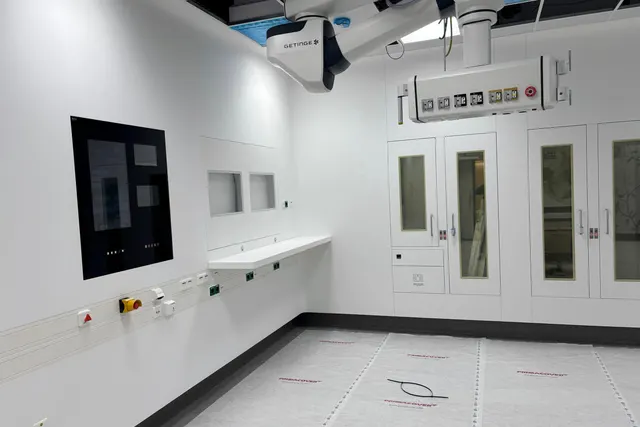
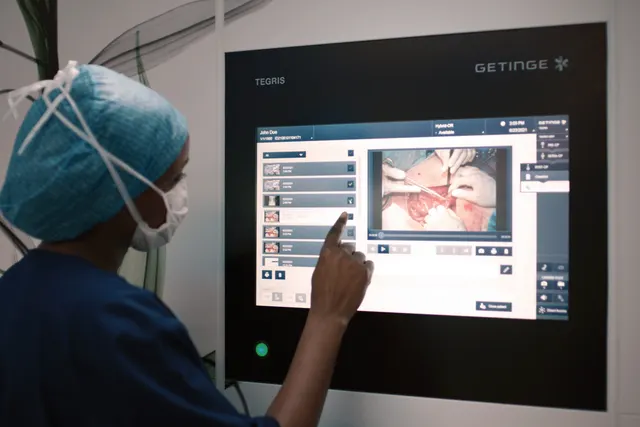
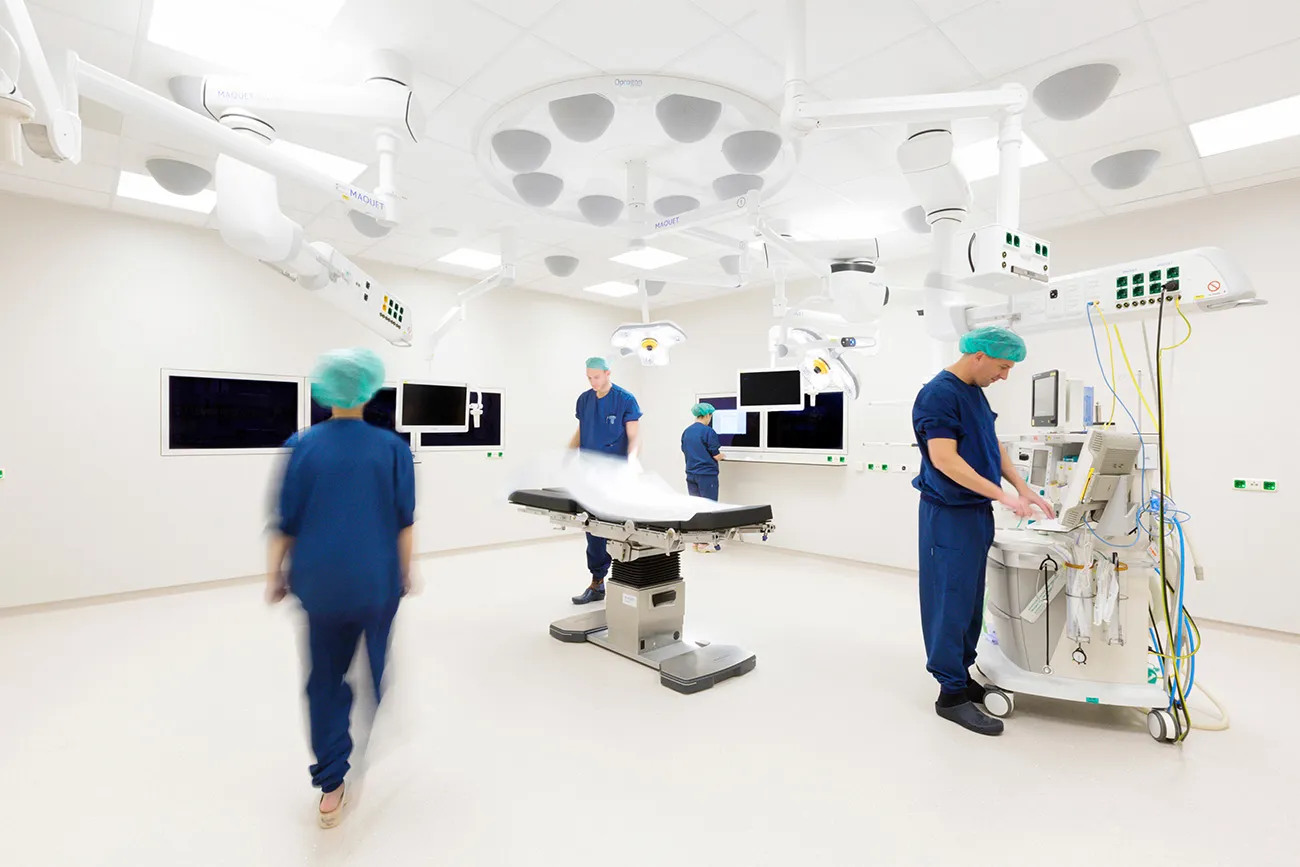
With smart solutions for operating theatre use, based on the latest medical guidelines, Medexs is creating operating theatres that can be used flexibly by every speciality. “Medexs is one of the few companies able to combine construction, technical and clinical expertise. We have all the necessary expertise in-house. Healthcare architects, consultancies and modular builders might once have been seen as rivals, but they need each other desperately and are increasingly complementing one another. Architects focus on the lifespan of an entire hospital complex; we mainly deliver specialist spaces with an average lifespan of 15-20 years. Innovation in operating theatres and cleanrooms, along with the anticipated flexibility in how spaces are used, is moving so fast that these building components need to be continually renewed or adapted. Construction logistics for a complete hospital, with all its different elements, remain the contractor’s responsibility. The delivery and construction of a hot-floor complex is, and will remain, highly specialised.”
Fixed prices
As a subsidiary of Daiwa House Group, the modular healthcare builder provides data demonstrating that the carbon footprint of modular construction is significantly lower than that of traditional construction. Lans says: “We deliver a fully functional, operational, classified medical building or building component, on a turnkey basis and to the highest standards. We also continue to supply walls and wall systems, floors and ceilings for interior fit-out projects in both new-build and renovation schemes, as well as air supply terminals and air supply systems such as Opragon, UDF or mixing systems. Because we manage the entire supply chain and produce efficiently with established partners, we are also less affected by supply problems and price rises.” Lans says these factors have increasingly disrupted hospital construction over the past calendar year. “We guarantee the client a fixed price until completion, because Medexs manages every aspect of the hospital hot-floor environment.”
Have a business enquiry for Medexs? Get in touch
Companies in this story

Keep following this
Get an email when a new story is published. No account needed.
- ThemeFaster, more flexible healthcare construction
- SubjectOperating theatres, intensive care and cleanrooms
- CompanyMedexs