Healing environments: The foundation of future healthcare
Text Tamara Brouwers
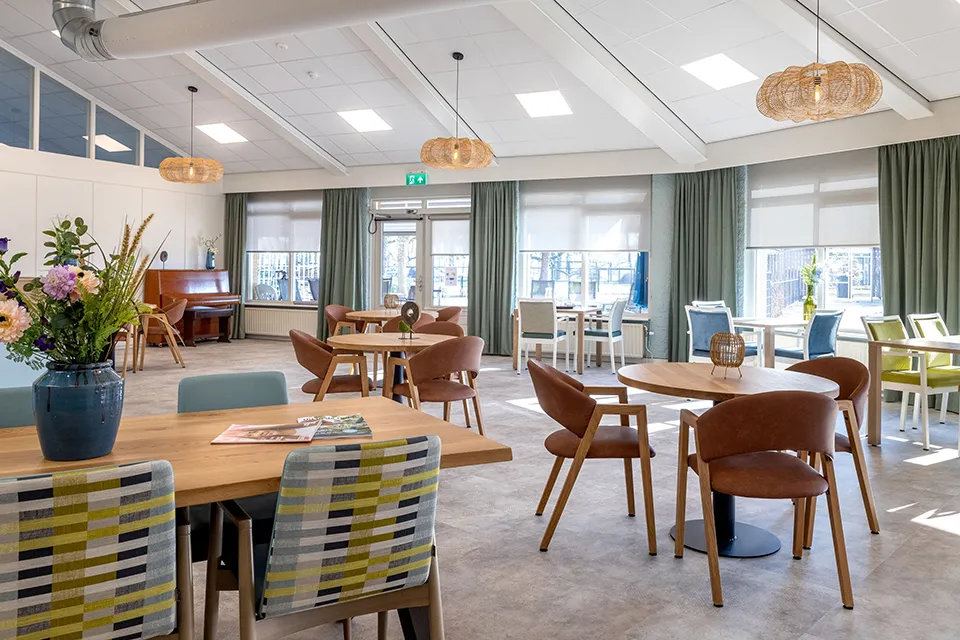
The healthcare sector is constantly evolving, with the focus shifting increasingly from purely clinical care towards a more holistic approach to wellbeing. One of the key trends in this development is the concept of healing environments. These environments are specially designed to promote patients’ recovery and improve the wellbeing of both patients and healthcare professionals. But what exactly does a healing environment involve, and why is it so important?
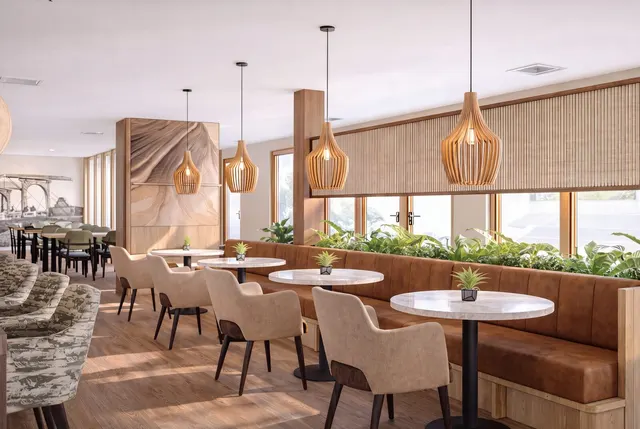
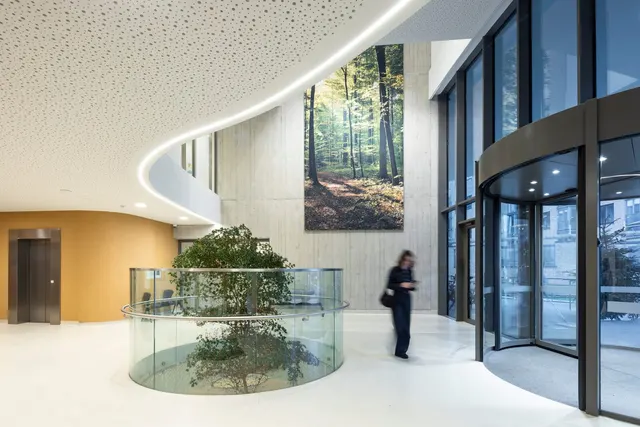
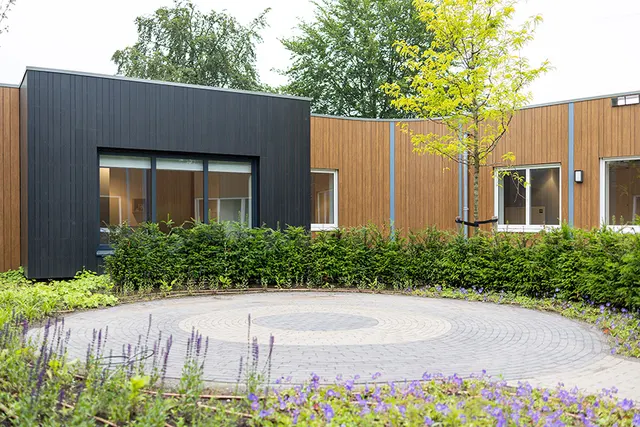
A healing environment is a care setting deliberately designed to have a positive effect on the physical and mental wellbeing of patients, residents and healthcare professionals. The idea behind these environments is that the physical surroundings in which care is provided have a direct impact on the healing process. Scientific research has shown that factors such as natural light, greenery, art, the use of colour and ergonomic furniture can reduce stress, relieve pain and speed up recovery.
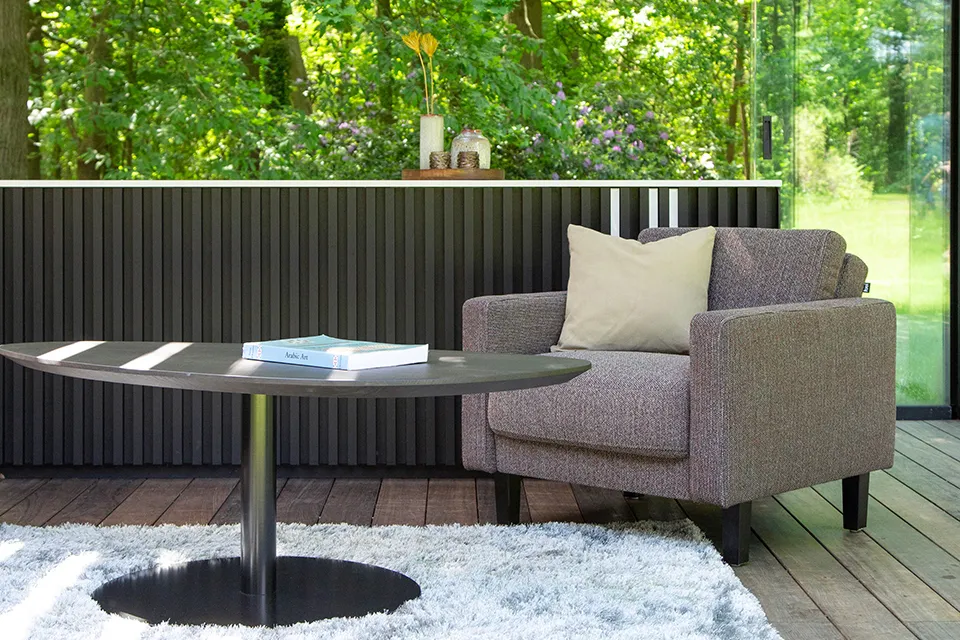
In practice, this means that care institutions are paying increasing attention to creating spaces that are not only functional, but also aesthetically pleasing and comfortable. A homely atmosphere in hospitals, nursing homes and other care institutions helps foster a sense of safety and security, which is essential to the wellbeing of residents and patients.
Why are healing environments important?
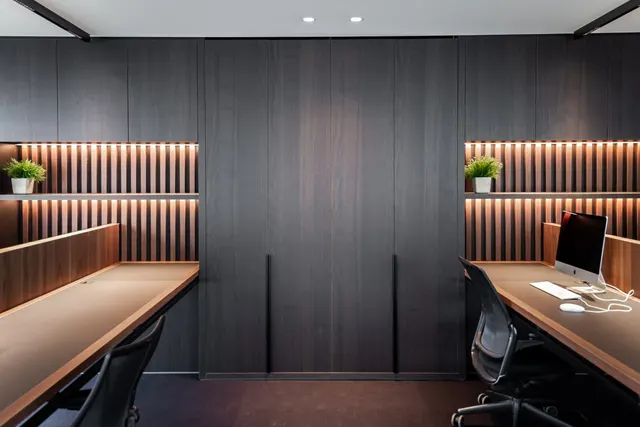
Healing environments play a crucial role in improving wellbeing within care institutions. This starts with the architecture, layout and interior design, where carefully selected furniture, colours and materials create an environment that is not only functional, but also contributes to a positive and supportive atmosphere.
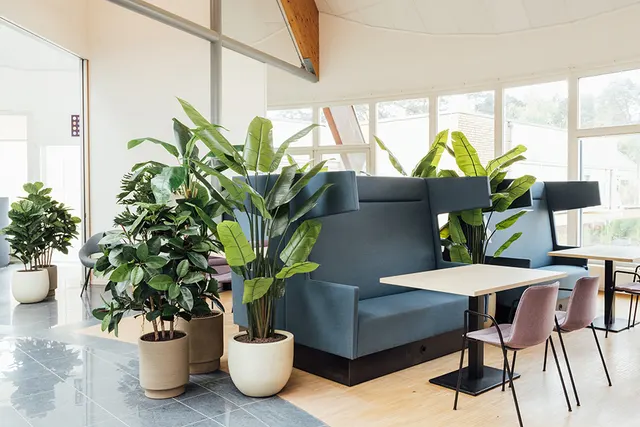
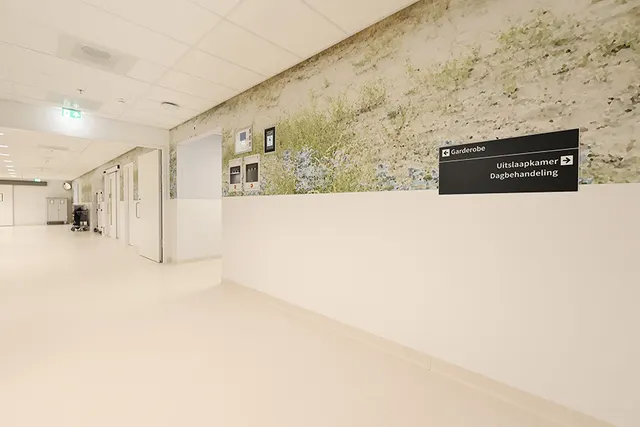
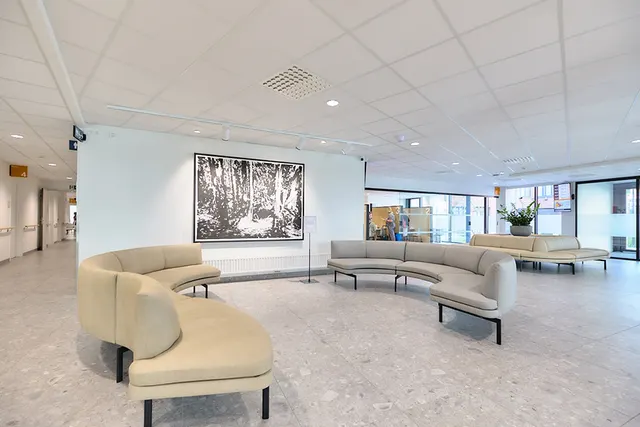
Research shows that patients recover faster in an environment that includes natural elements, such as plants and plenty of daylight, than in a sterile, clinical setting. In addition, art and nature scenes can provide mental stimulation and serve as a distraction, which can lead to a reduction in perceived pain. The mental wellbeing of residents and patients also plays a major role. A care environment that encourages social interaction, for example through inviting seating areas and relaxation spaces, fosters a sense of togetherness and helps reduce feelings of loneliness, particularly in long-term care settings where social interaction may be limited.
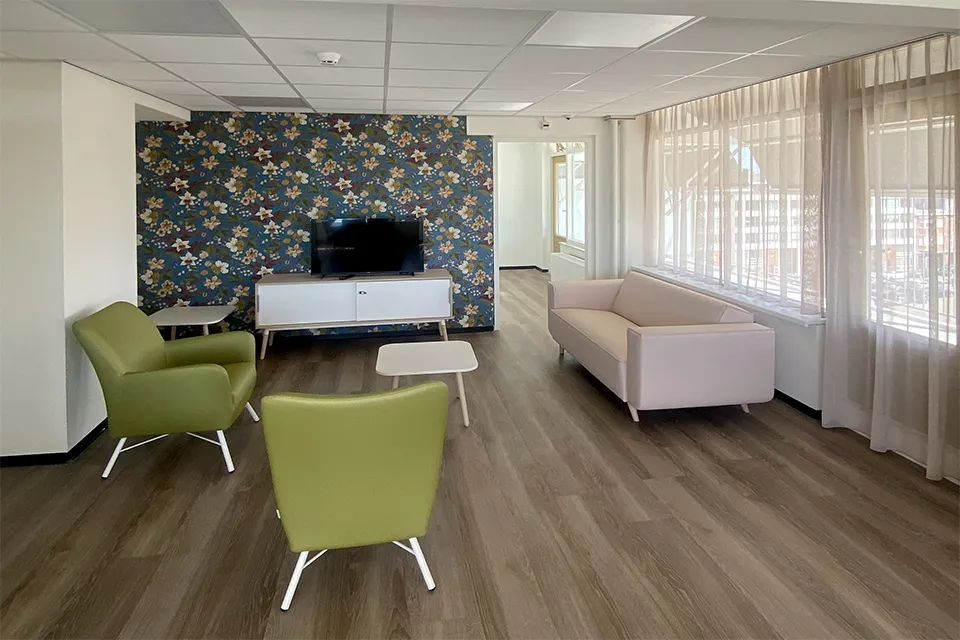
Not a passing trend
It is not only patients who benefit from a well-designed healing environment, but healthcare professionals too. An environment that reduces stress and increases job satisfaction contributes to better quality of care and can help reduce staff turnover. Healing environments therefore support not only patients’ physical health, but also their emotional and mental wellbeing. This not only enhances patients’ wellbeing, but also supports healthcare professionals in their day-to-day work and contributes to an inclusive, person-centred care culture. Healing environments are therefore not a passing trend, but the foundation of future healthcare, where the wellbeing of the whole person is central. In this feature, several companies explain how their products and services contribute to this.
Question about this story? Ask your question
Keep following this
Get an email when a new story is published. No account needed.
- ThemeHealing environments
- SubjectHealing environment