The new Jules Bordet Institute is a model of hygiene
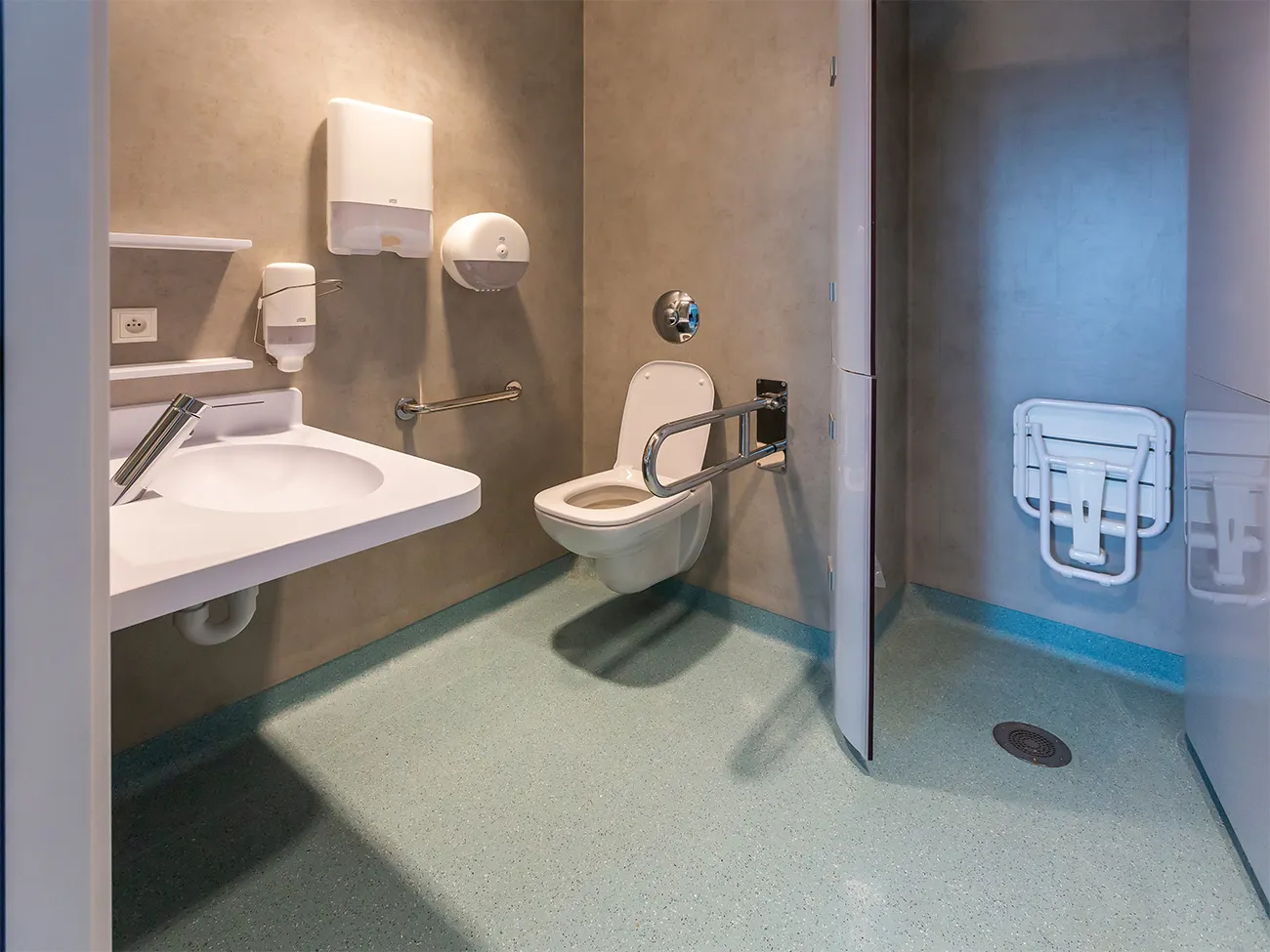
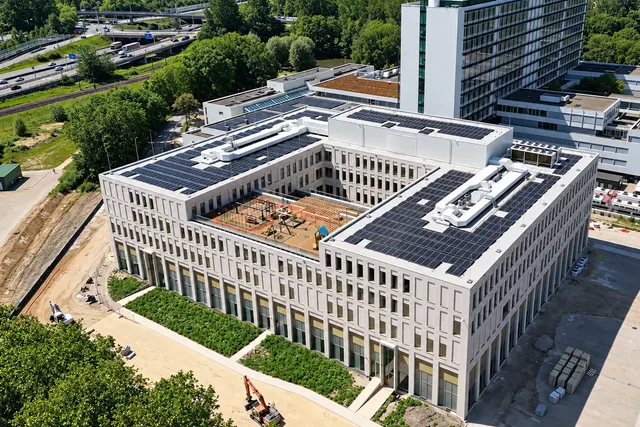
The Jules Bordet Institute brings screening, clinical care, research and education together in one brand-new building in Anderlecht, Belgium. The public university hospital is a European reference centre in the fight against cancer. Greater attention was paid to hygiene here than in any other hospital, particularly in relation to the water systems. DELABIE supplied products and solutions that ensure a high level of safety in this area.
Today we speak to Frédéric Coteur, the institute’s infrastructure director and project lead for this new site. “Our current buildings are completely unsuitable,” Coteur admits. “This new building will enable us to further develop our ambitions in research, education and patient care, using all the new technologies now available to provide the best possible care.”
The wellbeing of patients and staff
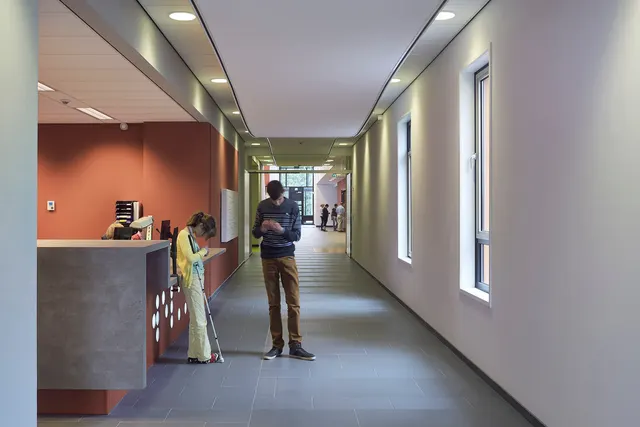
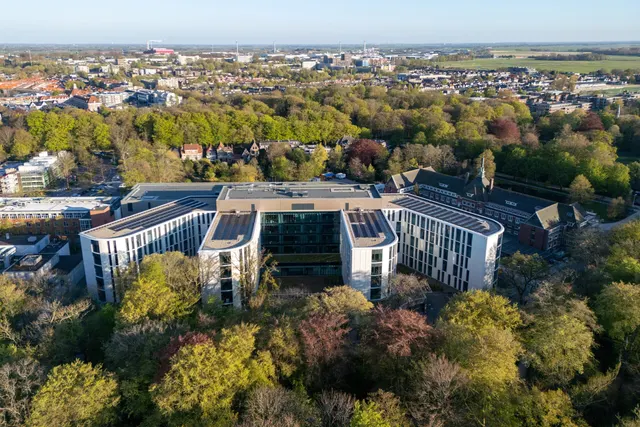
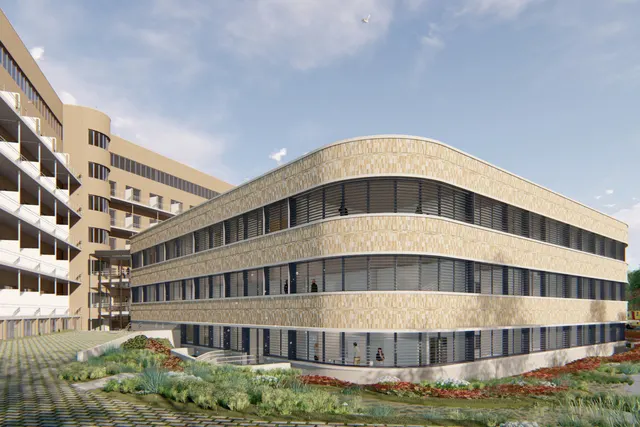
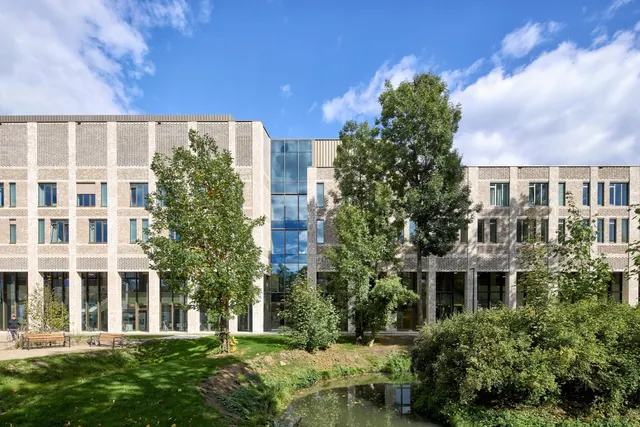
The new Jules Bordet Institute is a 9-storey, 80,000 m² rectangular building, organised around a central axis serving all the vertical circulation routes. Coteur says: “The care provided to patients at Bordet is comprehensive and multidisciplinary. The shape and layout of this building reflect our aim to work in an integrated way, rather than fragmenting services into specialist departments. When building a hospital, the patient naturally comes first, but their wellbeing also depends on teams having the right tools and enjoying their work.” The layout will optimise the care pathways of patients and nursing staff alike. The building’s clean architectural lines and the materials used also contribute to its calm and peaceful atmosphere.
The growing importance of hygiene
The new building must, of course, meet all the criteria and quality standards, particularly in terms of patient safety and health. “This is especially important here,” says Coteur, “as we have a specialist haematology service where patients undergo haematopoietic cell transplants, a treatment that weakens their immune defences. Naturally, we have dedicated areas with positive air pressure, controlled airborne particles, classified rooms and ISO 5 rooms. But one element is often subject to less scrutiny: the water networks. Legionellosis is one concern, but it is not the only hazard. These networks are integrated into the building, so intervention in the event of a problem is highly complex, and the available measures are limited and difficult to implement.”
Proactive collaboration
The assumption that a hospital is a bit like a hotel, and that the sanitary equipment installed in one can be similar to that used in the other, is wrong. Fortunately, more and more professionals in the healthcare sector are aware of this. The products selected from DELABIE meet the requirements of the client, architects and design consultancy in terms of hygiene, safety and ease of maintenance for the taps, accessories and toilet flushing system. “Specific attention to the sanitary installation from the building’s design stage is crucial,” says the infrastructure director. “The regular exchange of knowledge and expertise between DELABIE and the Jules Bordet Institute has ensured that we have paid due attention to certain issues that may not be immediately obvious to a hospital operator, but which DELABIE brings to the fore.”
It is also important not to forget the installer, who can be reassured by working with a company active in the Benelux market. DELABIE is committed to being on hand throughout the construction project, providing technical support for product installation and, after the building is handed over, ensuring the warranty is upheld.
Products ideally suited to the requirements
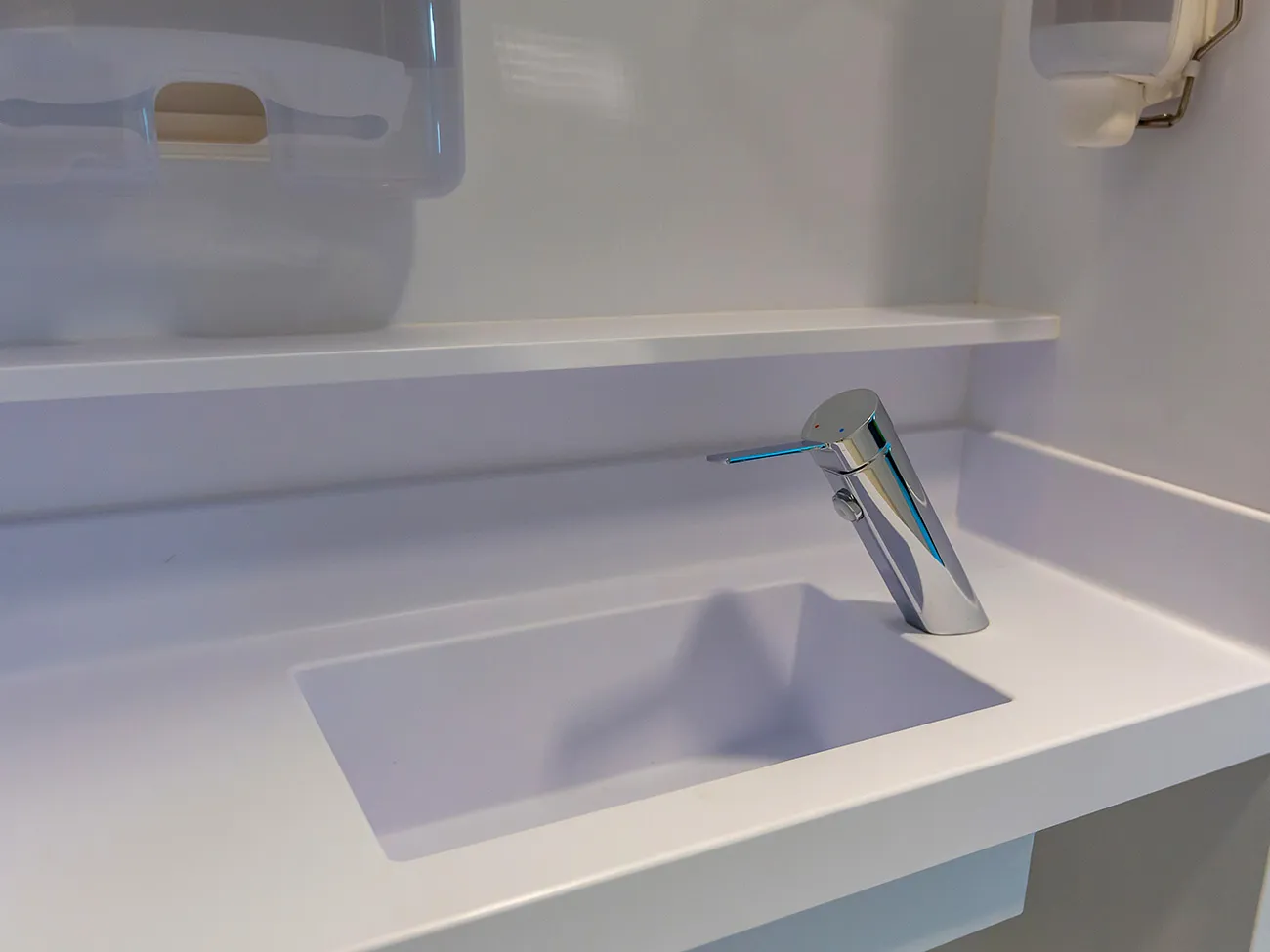
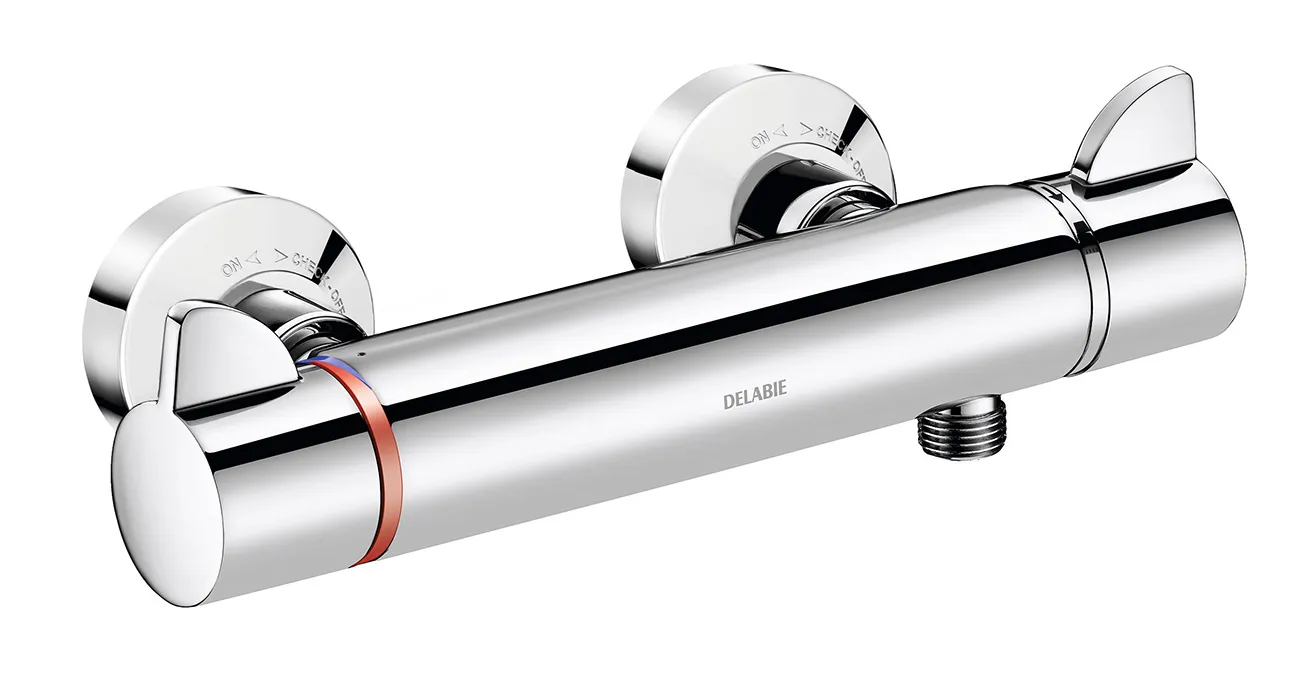
DELABIE offers a wide range of products and solutions perfectly suited to the needs of the institute’s various departments: public toilets for visitors, bathrooms for patients, hygiene stations for nursing staff and operating theatres. Each department at the Jules Bordet Institute had specific requirements, to which DELABIE was able to provide an appropriate solution. For the showers, thermostatic mixers with anti-scalding insulation and dual temperature limiting were chosen to ensure patient safety. For the basin, a mixer without a spout was selected. Its unique design reduces the volume of water in the body by up to 85%, thereby limiting bacterial growth.
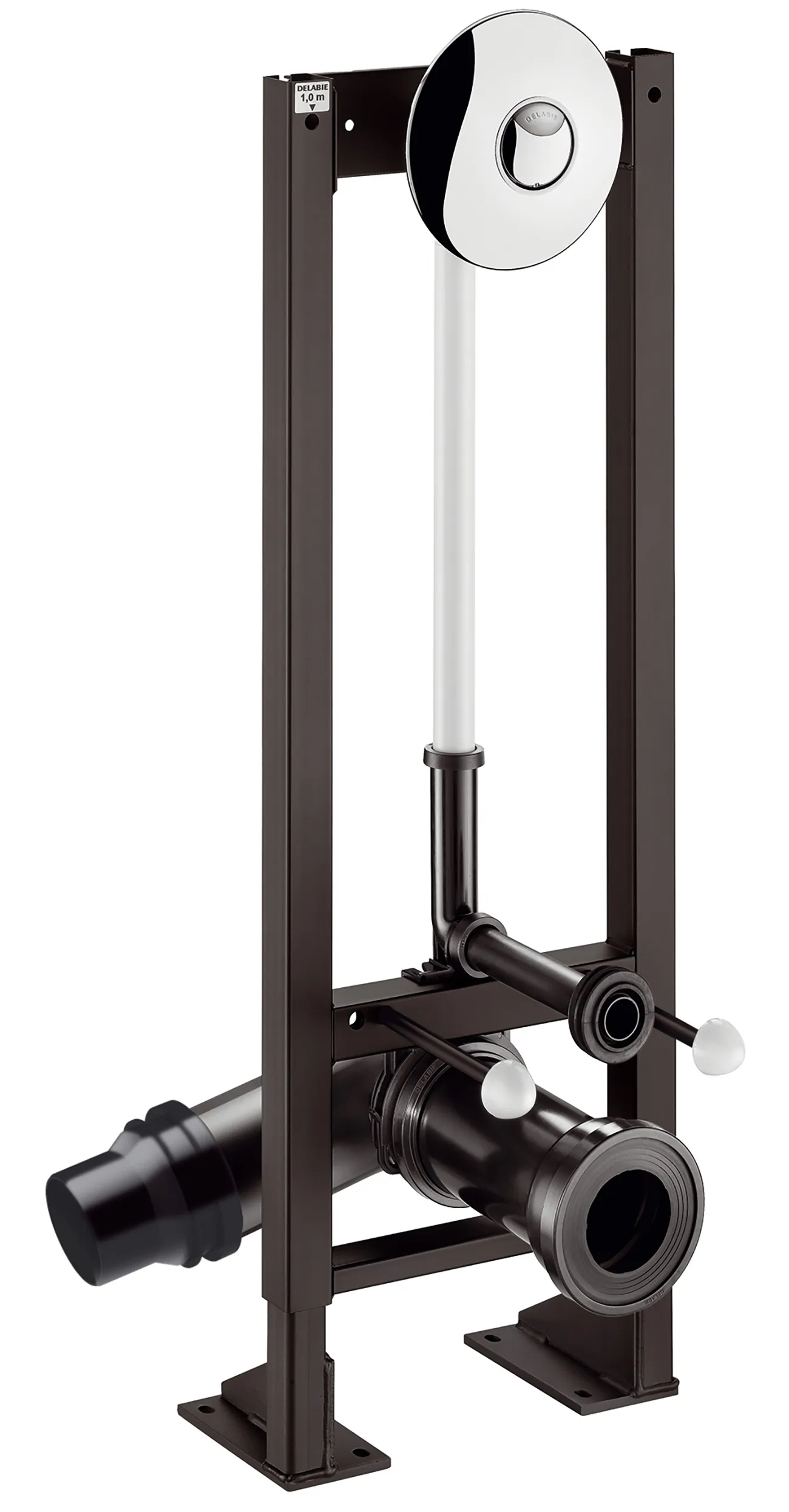
Finally, in Anderlecht, a direct-flush toilet system was also chosen. Cistern-based toilet systems are unsuitable for intensive use and are a recurring source of problems in healthcare facilities. Cisterns are prone to limescale build-up, encourage the spread of bacteria and pose a constant risk of leaks. By eliminating the cistern, the direct-flush toilet system prevents stagnant water, limescale and dirt from accumulating in the sanitary installation. This makes it more hygienic than a cistern toilet, helps prevent bacterial growth and ensures user comfort thanks to its particularly efficient flush. The many advantages of this direct-flush toilet system make it a more economical option in a short time.
A business enquiry for Delabie? Get in touch
Who worked on Jules Bordet Instituut
- architectBrunet Saunier: Archi 2000: TPFMentioned in Reference centre in the fight against cancer moves to brand-new building
Keep following this
Get an email when a new story is published. No account needed.
- ProjectJules Bordet Instituut
- SubjectHospitals
- CompanyDelabie