Residential care & nursing homes
‘Here, healthcare entrepreneurship has every opportunity to thrive’
Text Björn Crul Beeld Health Hub Aalst
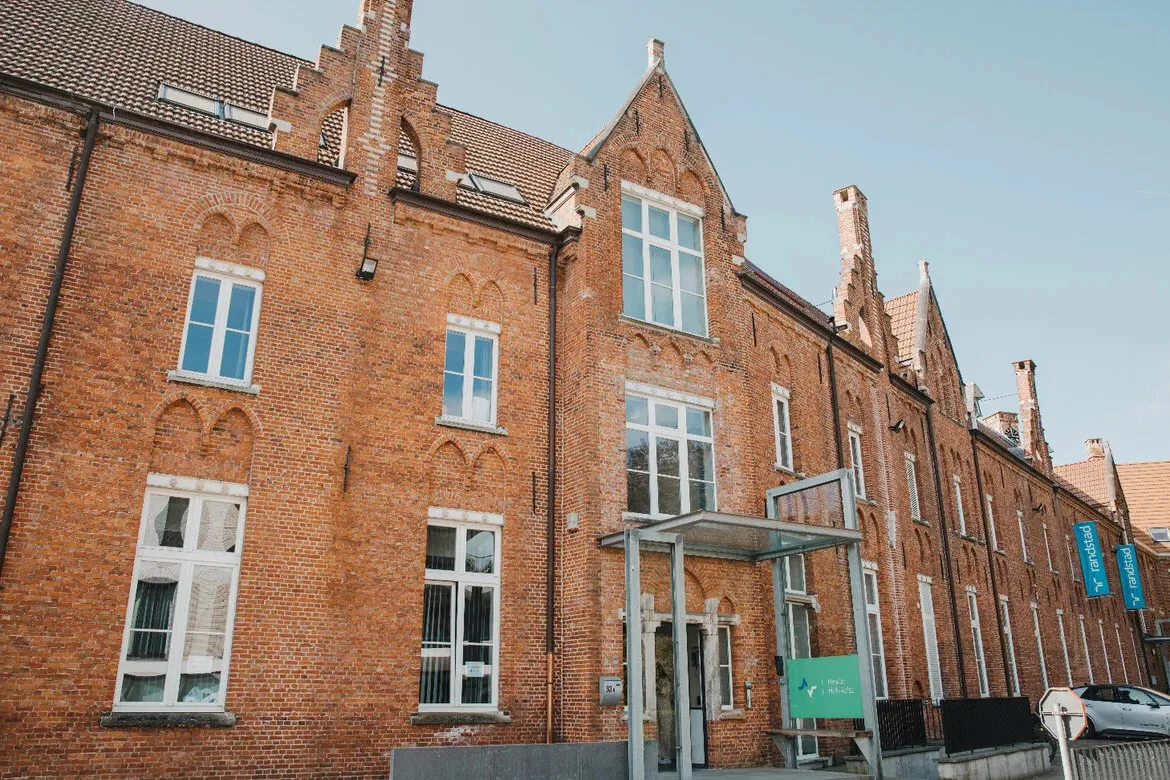
Aalst’s Capuchin monastery provides a home for healthcare innovation start-ups
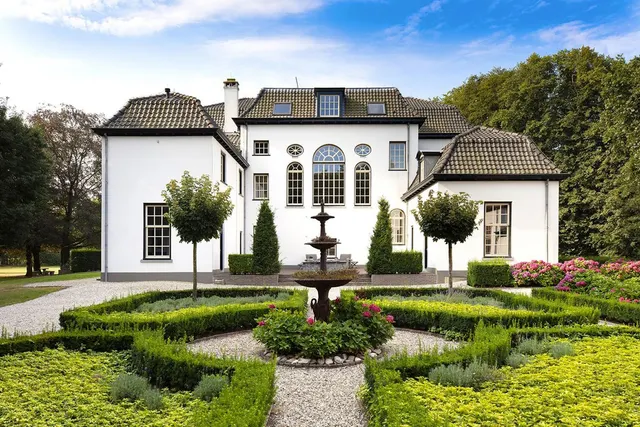
The city of Aalst aims to develop a Health & Care Valley close to the E40. The regional business park, which is intended to have an international profile, is planned for Siesegemkouter, but the permit application has met with opposition from farmers and local residents. In the meantime, innovative start-ups can find a home at Health Hub Aalst, a project run by the city and the province with support from public and private partners, based in the historic Capuchin monastery. Since it opened two years ago, a dozen start-ups have already found a home there.
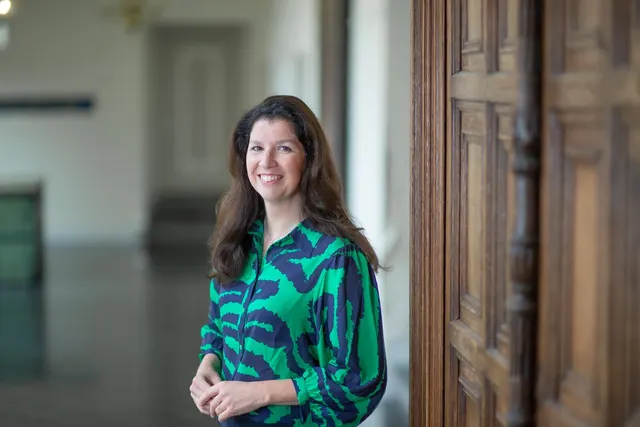
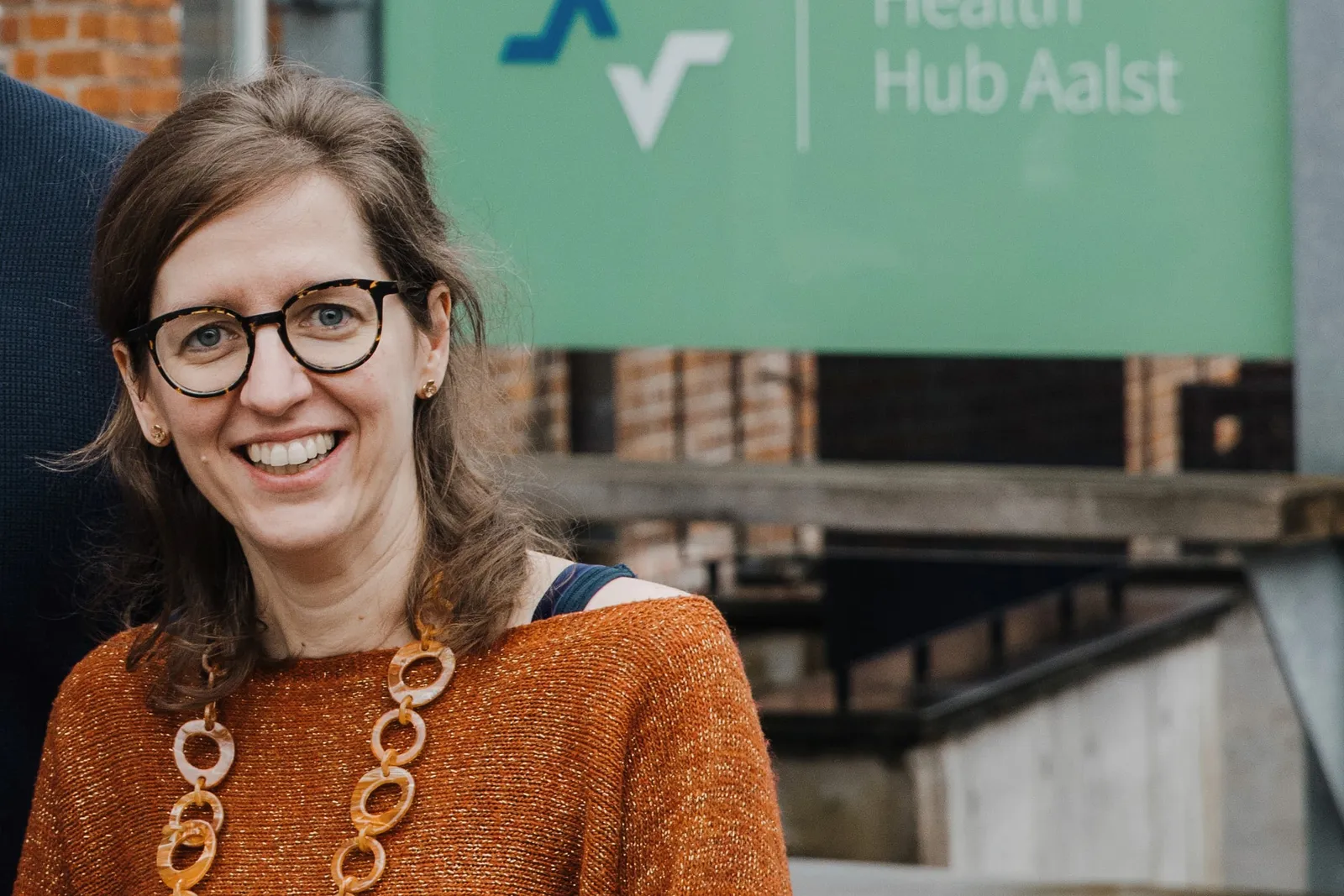
The healthcare sector faces many challenges, including an ageing population and labour shortages. Numerous start-ups are working to address these issues with technological solutions. Aalst, which promotes itself as a healthcare city, has therefore created an ecosystem called Health Hub Aalst. Director Elke Vijverman says: “Our hub is primarily aimed at start-ups and growing businesses focused on innovation in healthcare. We want to support and encourage them to become as successful as possible. At our site in the former monastery, we provide offices, meeting facilities and events. Together with a consortium of 15 partners, we are building an ecosystem offering expertise to all entrepreneurs in the sector.”
Around a dozen start-ups and scale-ups are already affiliated with Health Hub. These include well-known names such as MyAddOn and skindr. “I’m also thinking, for example, of Innatify, a software developer that helps healthcare organisations reduce their administrative burden, freeing up more time for hands-on care. We also have a pre-start-up working here on a fall detection system for residential care homes or geriatric wards in hospitals. This kind of technology can also add significant value to healthcare,” says Vijverman.
More than just workspace
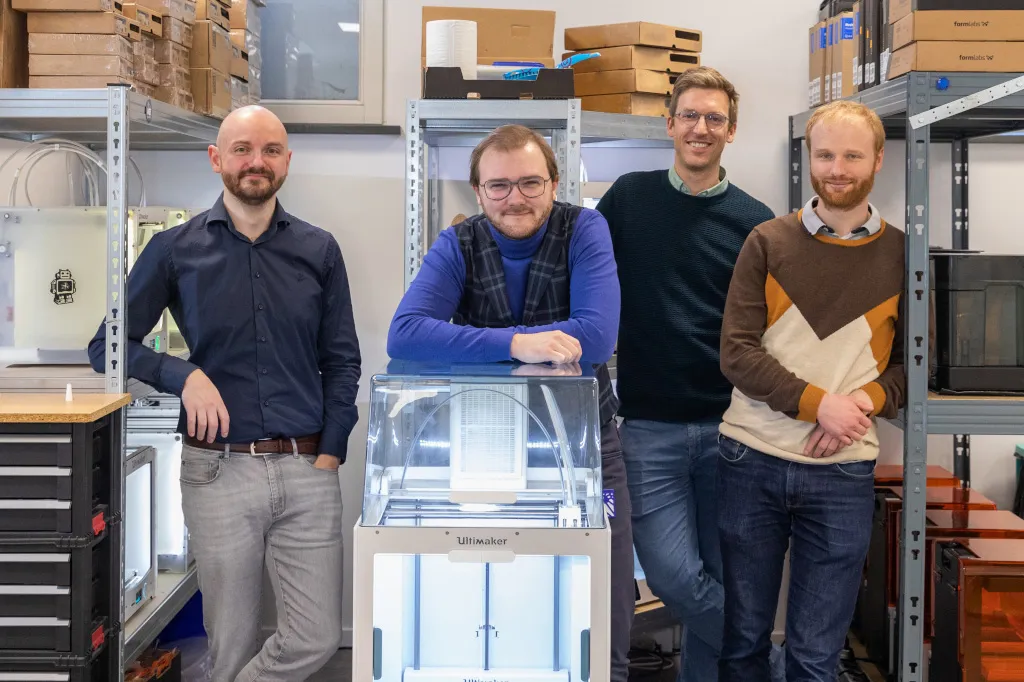
The building offers a mix of permanent offices and flexible co-working spaces. “For example, PrintPlace, a company specialising in 3D printing for the medical sector, is based here. But there are also people who work from home and occasionally rent a desk here to connect with like-minded people. We see Health Hub as a breeding ground where young entrepreneurs with similar ambitions can meet. They are driven people who want to move healthcare forward, and that creates a bond. We also see spontaneous collaboration and cross-pollination: entrepreneurs share experiences and use their own expertise to help improve one another’s products and services.”
Mentors are also available through the consortium that launched the initiative. Vijverman says: “As well as our founding members, we have a broad network of partners: organisations with a strong interest in healthcare innovation that want to contribute to the success of our start-ups. They can turn to our network for specialist expertise on legislation, reimbursement schemes, exports and more. Our aim is to encourage all the stakeholders to work even more closely with our residents in the future.”
Pitching opens up opportunities
Health Hub is growing into a place where healthcare entrepreneurship has every opportunity to thrive. As director, Vijverman sets the strategy and actively supports the residents’ growth and development. “For example, we have developed ‘Lunch&Learn’ sessions: interactive lunchtime sessions where entrepreneurs can talk to experts in a safe setting about relevant topics and learn from one another’s questions and experiences.”
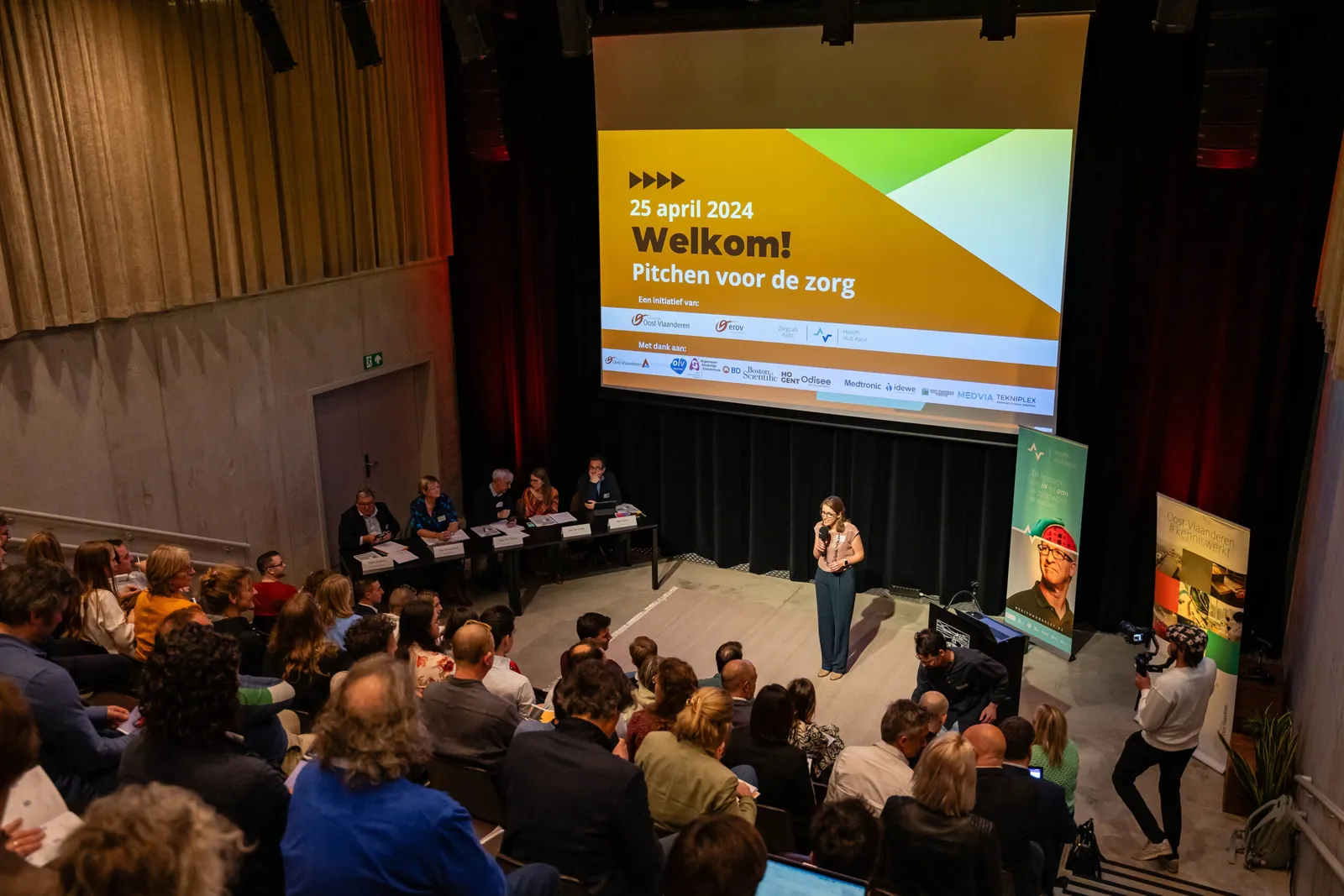
Residents also have regular opportunities to pitch to a select group, presenting their products and ideas and creating new opportunities. “At ‘Pitchen voor de Zorg’, entrepreneurs, researchers and healthcare professionals all attend. They get to know one another, hear about the innovations available, the research being carried out and the needs that require solutions. This creates fertile ground for further innovation and research based on the very concrete needs of people working in the field,” concludes Vijverman. “Acting as a bridge between entrepreneurs and people working in the field may well be our most important task.”
Question about this story? Ask your question
Keep following this
Get an email when a new story is published. No account needed.
- SubjectResidential care & nursing homes