











Building operating theatres: a specialist field
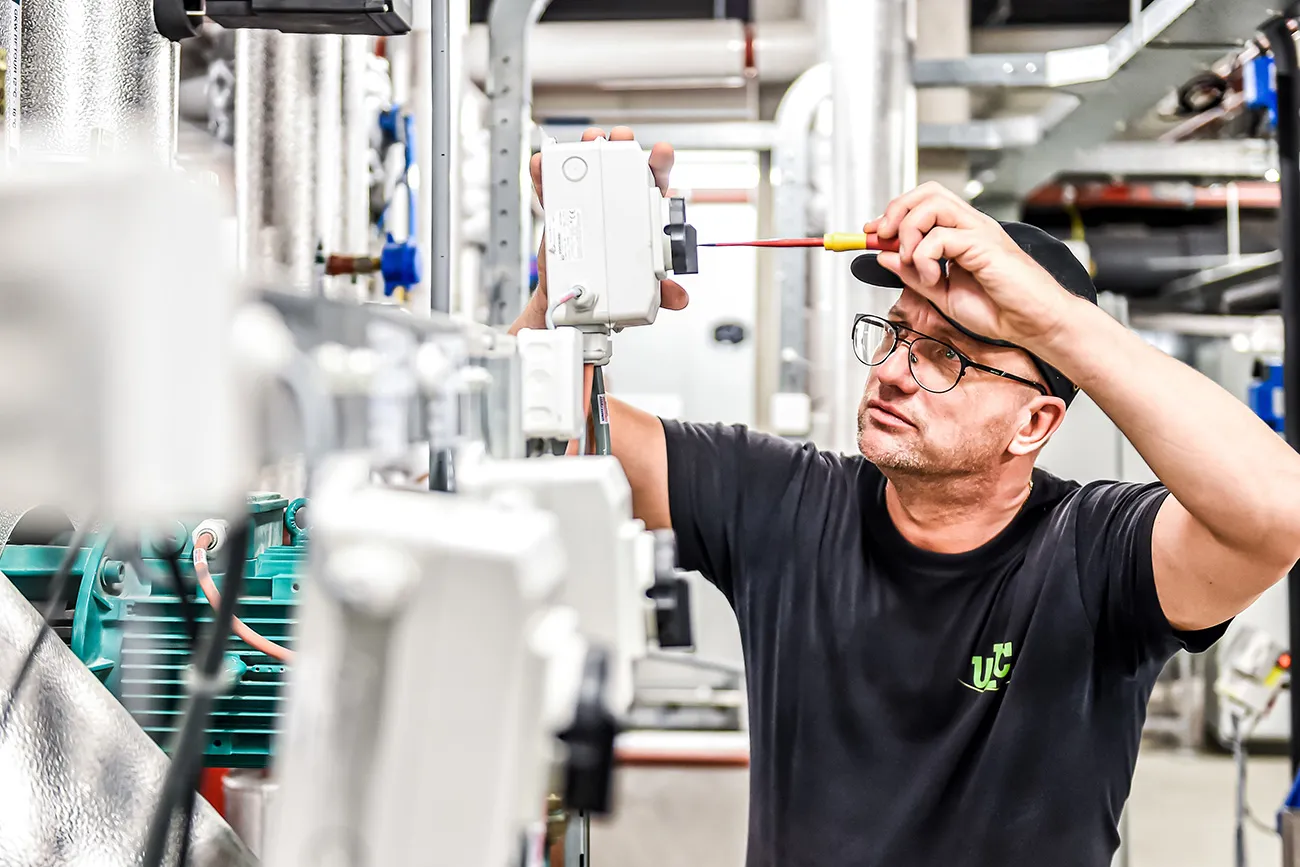
Building healthcare facilities, and operating theatres in particular, is a specialist field. “Our staff enjoy working on these complex projects. We sometimes say that if you can build a hospital, you can build anything,” says Edwin Hovius, managing director of ULC Installatietechniek.
Building services in a dynamic environment
ULC was founded as a plumbing company in 1923 and has grown over the past century into a multidisciplinary building services contractor, with a particular focus on healthcare. The company comprises Installatietechniek (large projects) and Technisch Beheer (small projects, maintenance and management), and works closely with Bectro (focused on hospitality and retail). ULC employs 300 people and also has a flexible workforce. The building services contractor delivers projects from design through to installation and management. “We specialise in healthcare and carry out a lot of complex refurbishment and new-build work in and around hospitals,” says Gabe Westra, project manager for mechanical installations.
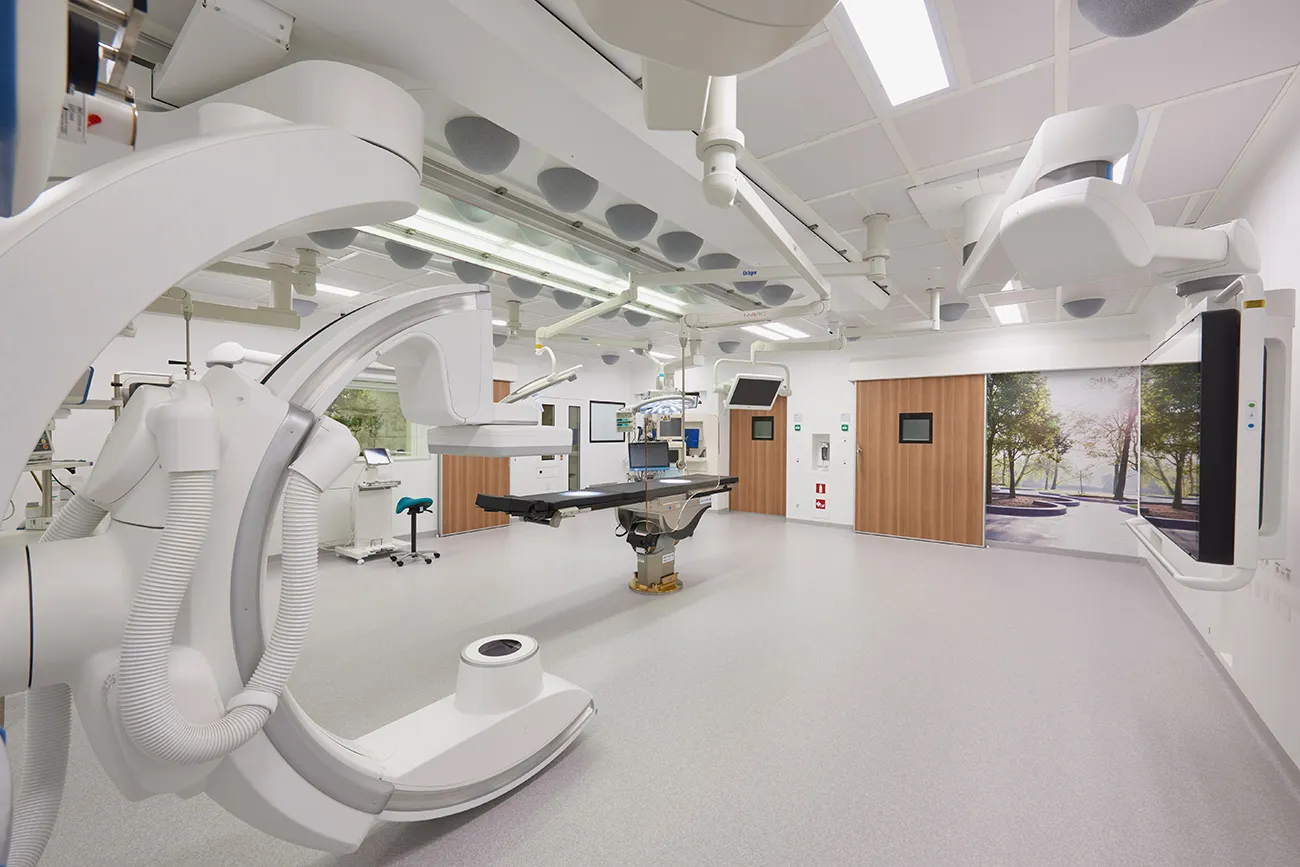
The organisation has a high level of expertise. Westra says: “To design an installation for a hospital, you need to be thoroughly familiar with its processes. This helps us understand the users’ needs and identify, for example, aspects of the building design that could be improved.” ULC works for major hospitals, including Antoni van Leeuwenhoek, St. Antonius ziekenhuis, the recently completed Tergooi MC and Erasmus MC. It also recently delivered two hybrid operating theatres for OLVG in Amsterdam.
Careful coordination
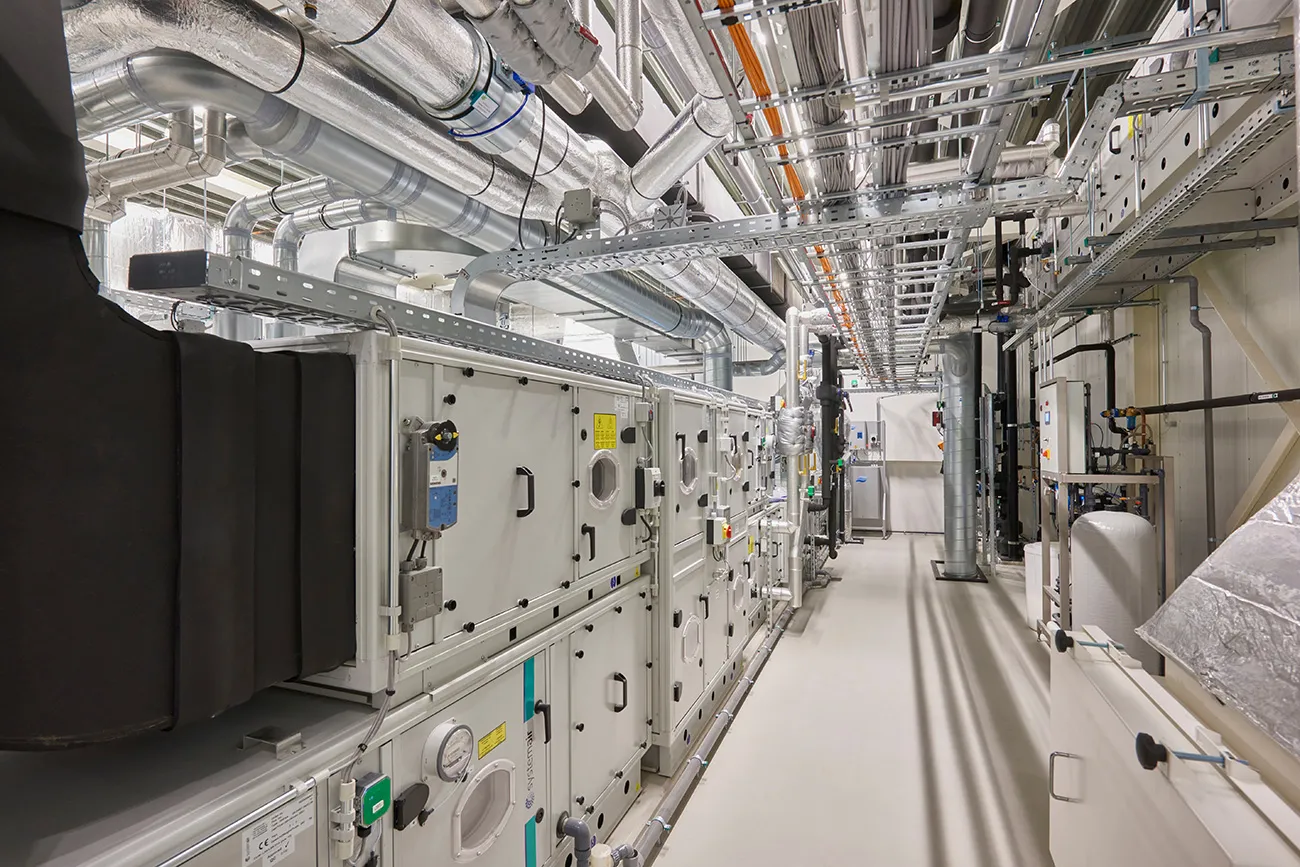
Building services in an operating theatre differ from those in ‘ordinary’ buildings. Air management and pressure hierarchies must be taken into account, for example. Doctors also need sufficient lighting, and all pendants and services must be accommodated. Imaging technology is becoming increasingly common in operating theatres, and users have different requirements for each type of procedure, such as a different room temperature. Hovius says: “We have to ensure that everything works with our system and that the services do not clash above the suspended ceiling. Sometimes the layout depends on equipment such as a mobile imaging system weighing hundreds of kilos. Each supplier has its own system, so the approach varies. During refurbishment work in an existing hospital, we are also working right in the middle of the operating theatre, ICU and outpatient clinic areas, so the work has to be organised very carefully. After all, the patient comes first for the hospital.”
The work is therefore often scheduled months in advance. When the operating theatres close, this affects the emergency department, which must also close. This in turn requires coordination with other hospitals in the area.
The most sustainable solution
Sustainability matters to ULC, both within its own organisation and in the support it provides to healthcare facilities pursuing their sustainability ambitions. Several clients have now almost eliminated their use of gas by introducing free cooling and heat pumps. “These processes take a little longer in healthcare,” Westra says. “The systems are designed to last around 20 years. When a hospital plans a renovation, this is certainly considered, but you cannot overhaul an entire building all at once; it has to be done in stages.” Hovius adds: “In existing hospitals, operating theatre humidification is usually steam-based, which uses a lot of energy. New theatres are increasingly being designed with adiabatic humidification. The new systems are also being designed for high-temperature cooling and low-temperature heating. That means the central plant can be adapted to these systems in the future, although this is not yet possible everywhere or in every case. In any event, we always consider the most sustainable solution.”
An attractive employer
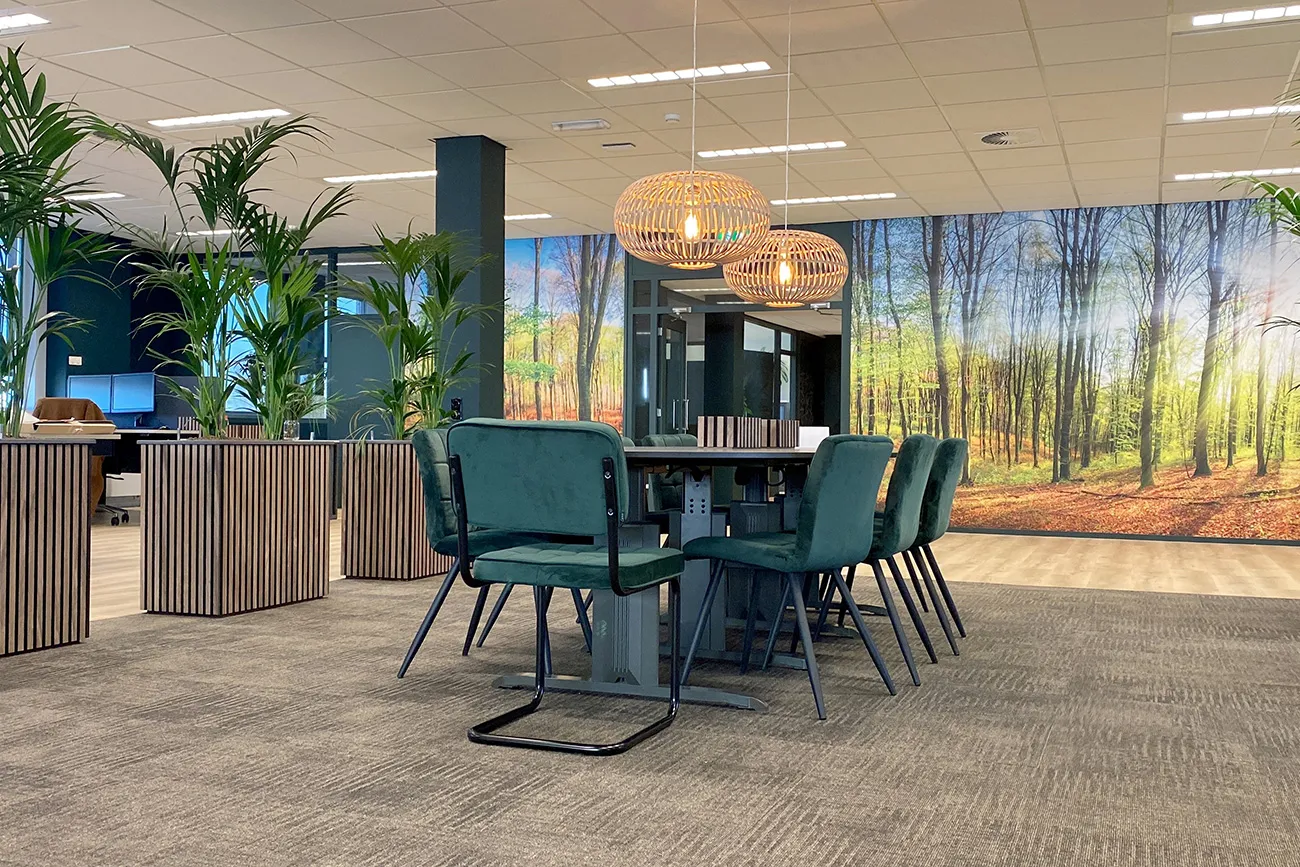
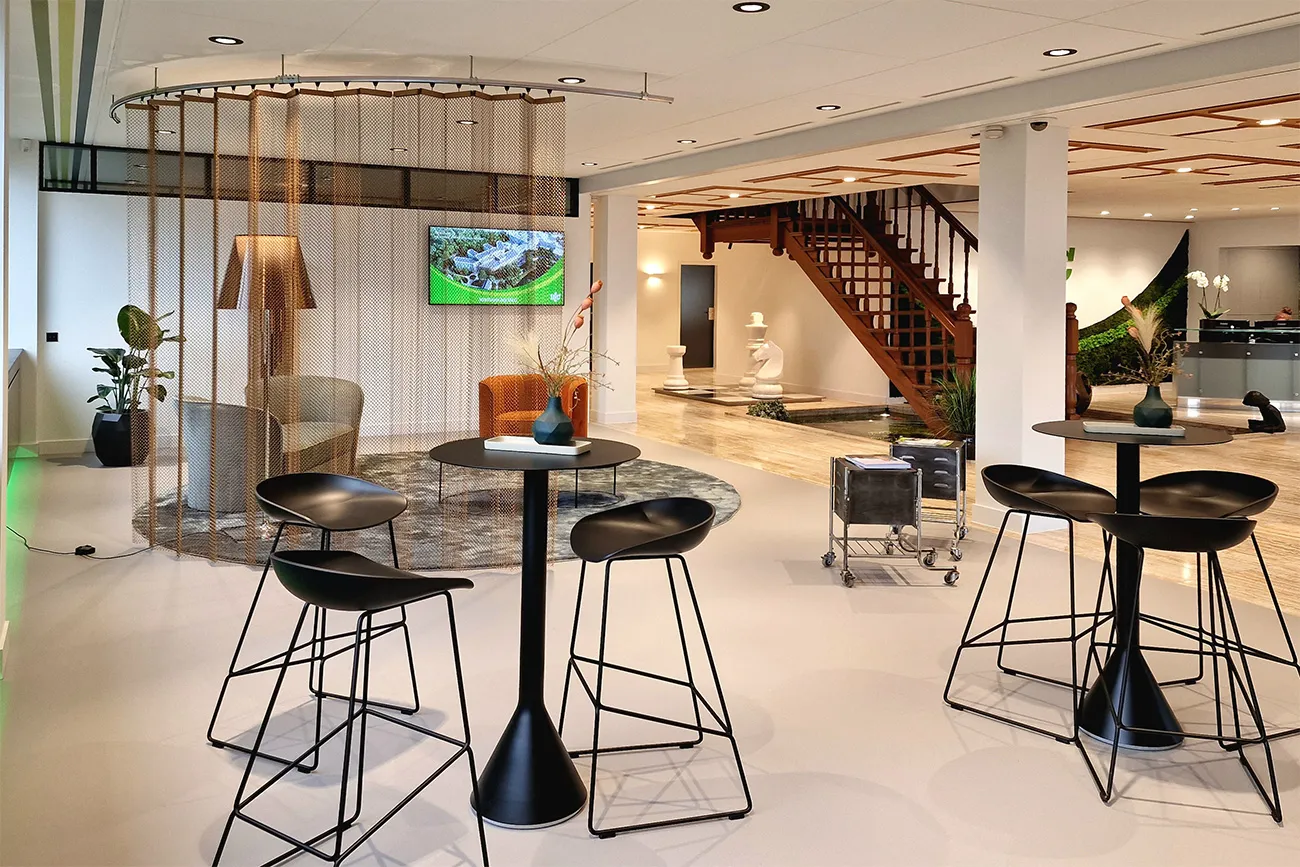
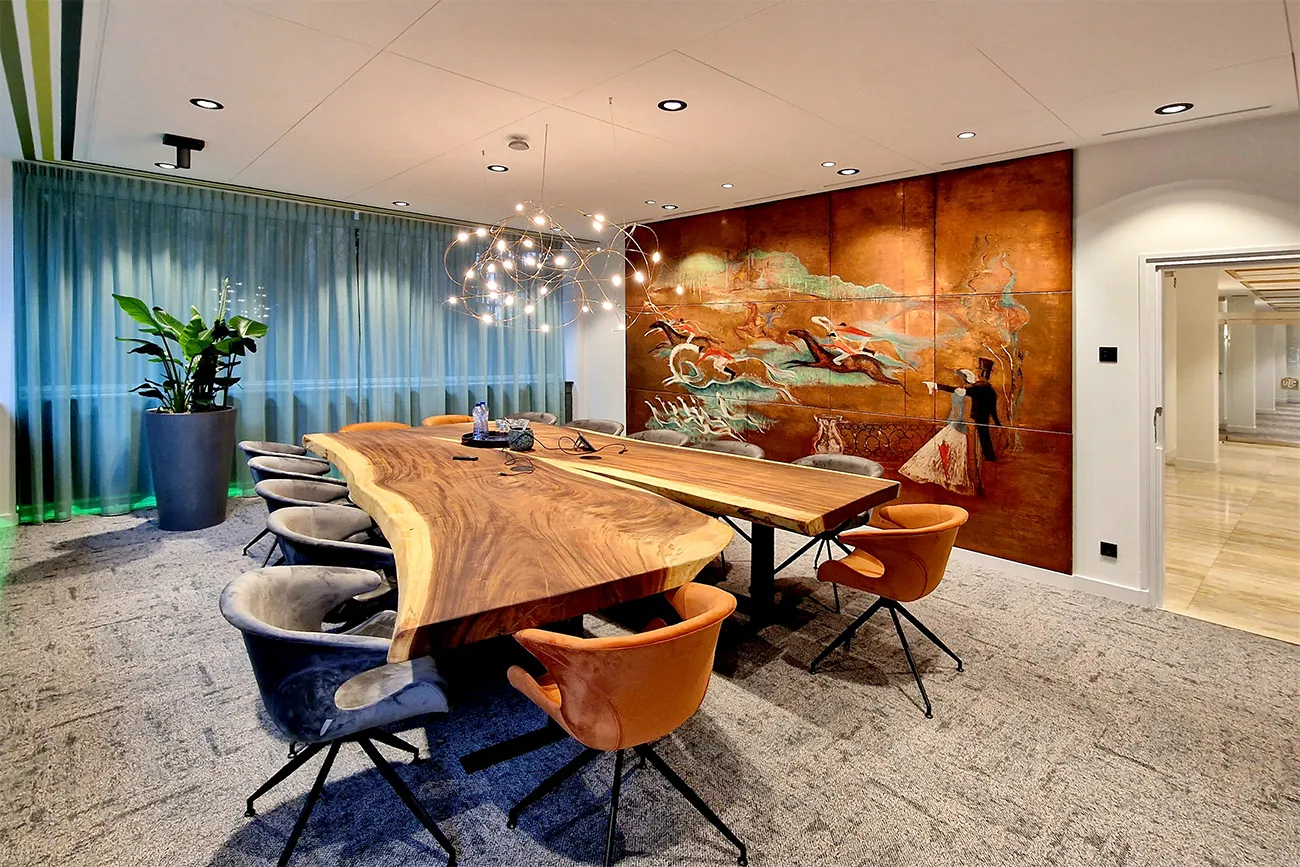
ULC’s workforce consists of people who enjoy working on complex projects. But, as in every technical profession, attracting new staff is difficult. The company therefore does everything it can to be an attractive employer. Hovius says: “We are working towards a kind of cafeteria-style benefits package, a menu of choices for new employees based on their personal preferences. Working from home is also fine, and we have furnished our offices in a modern, homely style. We are also actively looking to recruit staff from abroad. We provide them with accommodation and training so they are familiar with Dutch laws and regulations. And, of course, we can offer them great projects and a pleasant working atmosphere with plenty of freedom.”
Een zakelijke vraag aan ULC Installatietechniek? Get in touch
Companies in this story
Keep following this
Get an email when a new story is published. No account needed.
- ThemeSafe and reliable healthcare buildings
- SubjectGeneral
- CompanyULC Installatietechniek







