











Care for older people is changing shape
Text and images ActiZ
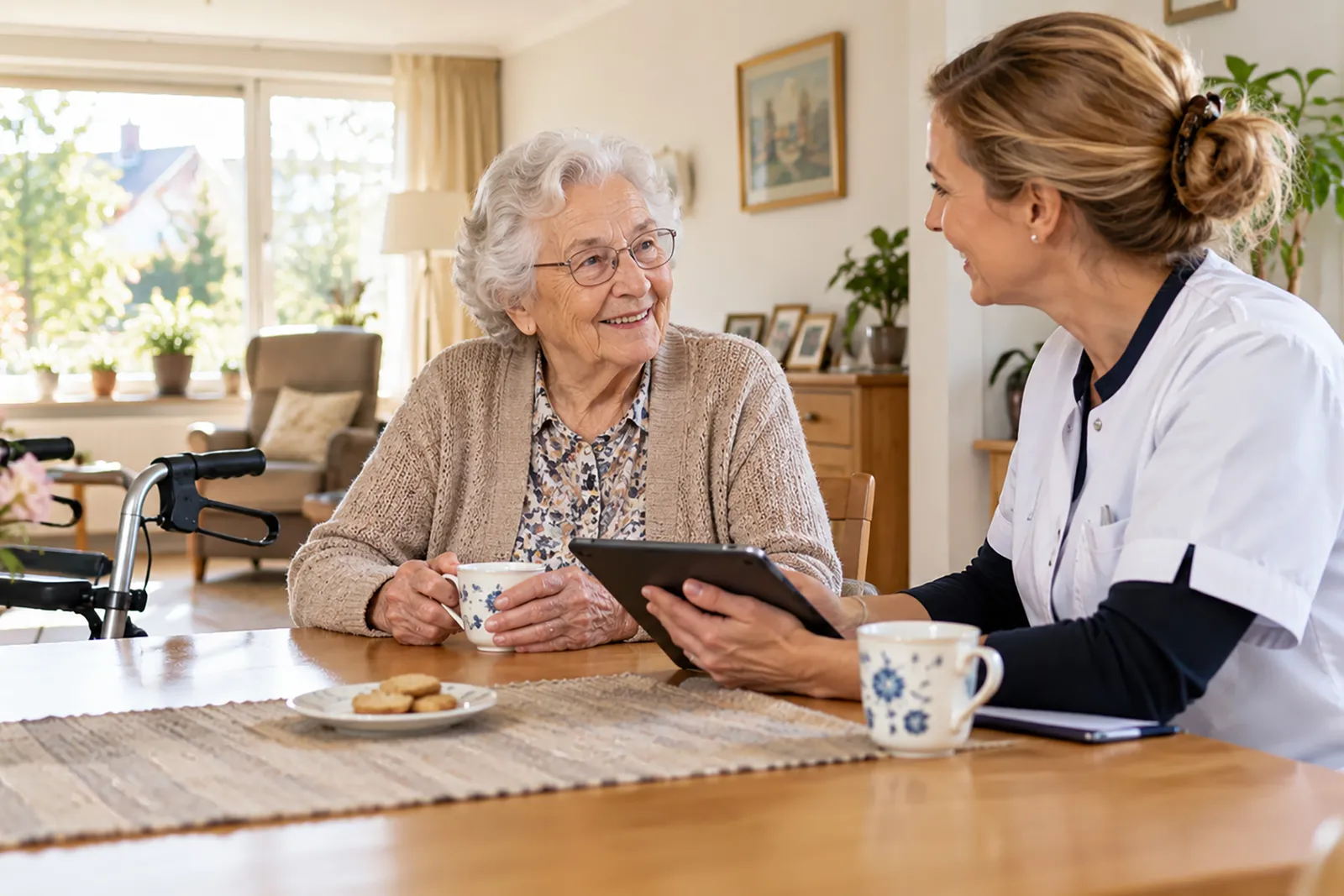
Older people’s need for care is not disappearing, but the way they receive care is changing. They are increasingly receiving care at home, while professional nursing home care remains necessary for people with significant frailty and complex needs. This is confirmed by new RIVM research into older people’s use of care. ActiZ sees this as confirmation of the shift towards early intervention set out in the Outline Agreement on Elderly Care.
More and more older people are receiving long-term care at home under the Long-Term Care Act. At the same time, people with complex needs still require a safe, sheltered environment with expert support, specialist care and treatment. The future therefore calls for an appropriate range of care at home, clustered housing and nursing home care, tailored to regional care needs.
Organising as much care as possible at an early stage
“Older people’s need for care is not disappearing, but their wishes and needs are changing,” says Anneke Westerlaken, chair of ActiZ. “Older people are increasingly receiving care at home. This is in line with the shift set in motion by the Outline Agreement on Elderly Care: organising care and support as early as possible, close to home and suited to each older person’s situation.”
Boundaries are blurring
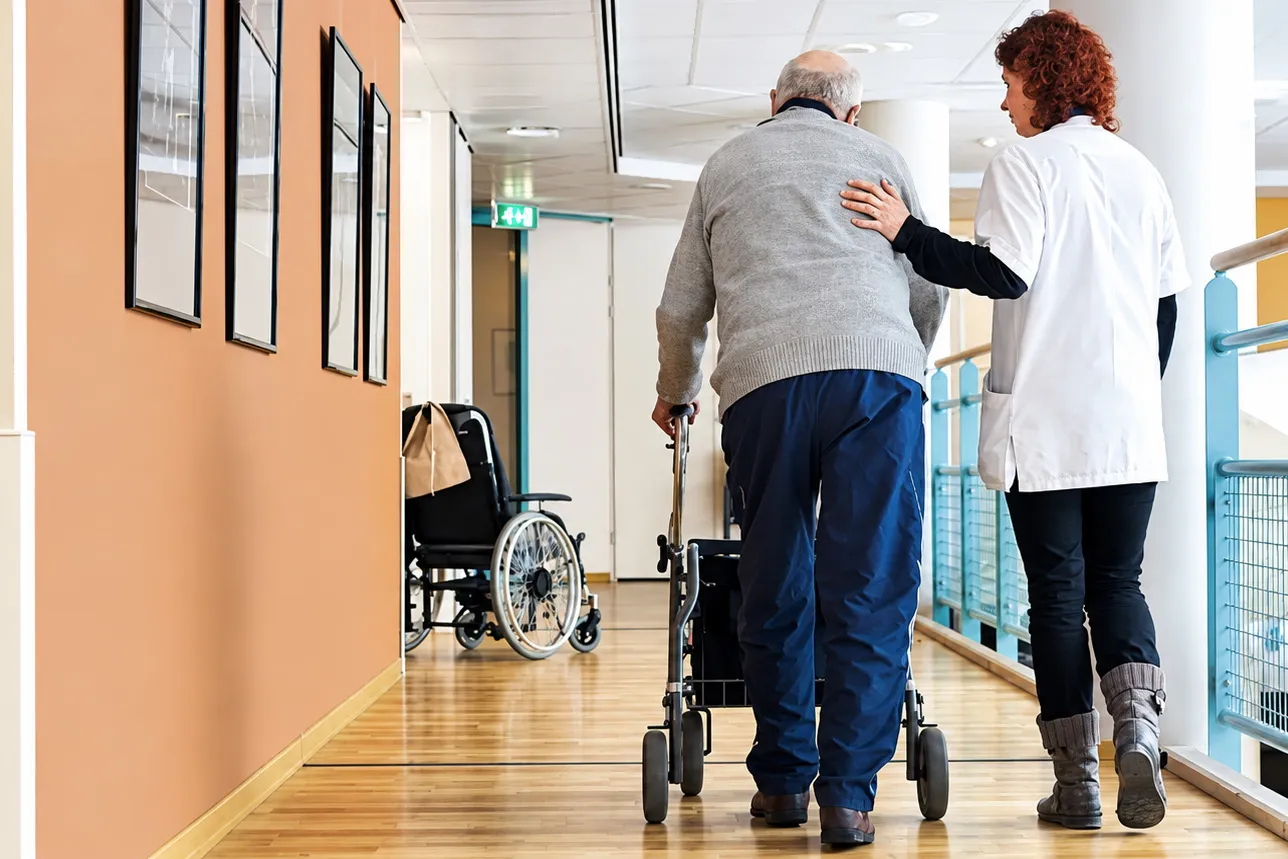
The RIVM study shows that district nursing increasingly consists of brief visits, while chronic nursing and personal care at home is provided under the Long-Term Care Act. This means we are seeing a clearer distinction between short-term, curative care at home and long-term, chronic care at home. Westerlaken says: “When people need intensive care at home over a long period, it should be straightforward and logical to organise that care. It therefore makes sense to explore whether long-term district nursing could, in time, be organised under the Long-Term Care Act.”
Nursing home care remains necessary
More care at home does not mean that overall nursing home capacity can be reduced. The study was prompted by reports of vacancies, but these are not widespread. Some areas have vacancies, while other regions continue to need appropriate nursing home care. “The future is not a choice between home and a nursing home,” says Westerlaken. “It is about staying at home when possible, living in a clustered setting when that helps, and receiving nursing home care when necessary. A safe, sheltered environment must remain available for vulnerable people with complex care needs.”
ActiZ sees the RIVM study as evidence for the shift set in motion by the Outline Agreement on Elderly Care: not less care for older people, but care that is organised differently and better suited to their needs.

Question about this story? Ask your question
Keep following this
Get an email when a new story is published. No account needed.
- ThemeFuture-proofing healthcare estates
- SubjectGeneral







