











‘Healthcare real estate is a shared responsibility’
Text Bas Goedvolk beeld KAW
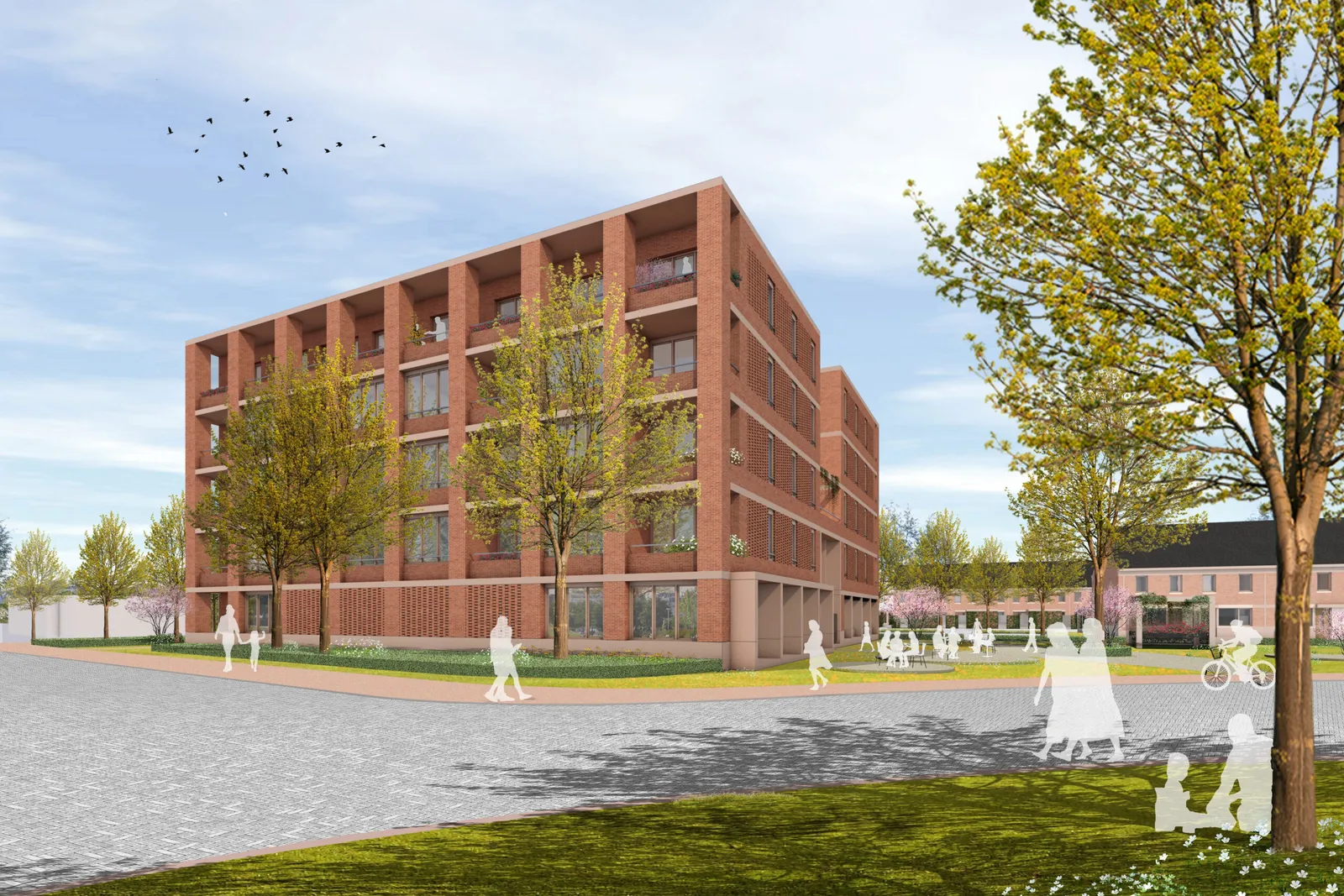
Healthcare real estate is at a turning point. Buildings that for years served as obvious places to provide care are increasingly out of step with the way care is organised today and will be organised in the future. Target groups are changing, care is shifting from institutions to neighbourhoods, and pressure on funding and staffing is mounting. At the same time, society increasingly expects care to be part of an inclusive living environment, rather than separate from housing and everyday life. A conversation with two housing and care experts at KAW, an architecture, consultancy and research firm celebrating its 50th anniversary this month. “Healthcare real estate is developing into a shared area-wide challenge, in which strategy, collaboration and design are inextricably linked.”
Healthcare real estate is never just about a spatial solution. It touches on strategy, collaboration and governance decisions. Working at the intersection of consultancy and design, KAW brings together interests that do not naturally align. As a consultant and process facilitator, Hilda Hoekstra brings in-depth knowledge of complex collaborative processes. Experienced architect Mathieu Kastelijn has extensive expertise in healthcare real estate projects in a range of contexts, both in design and in vision development.
Grounded in practice
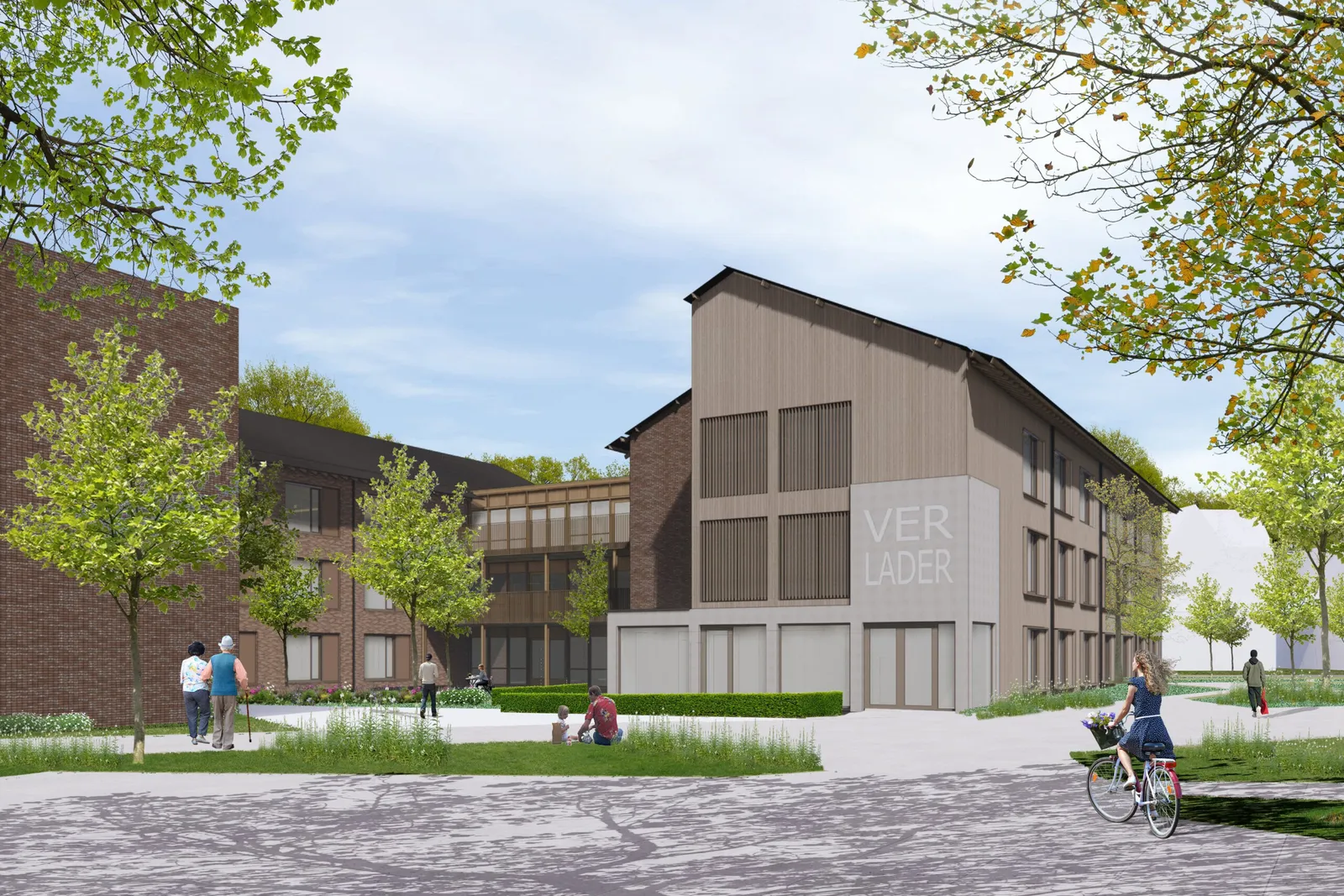
In this interview, Kastelijn and Hoekstra refer to several strategic projects they are currently working on with KAW, including the housing and care development in Delfzijl, the area development in Appingedam and the housing and care vision for Hulst. Each involves multiple healthcare, housing and real estate challenges, with different owners and functions. It is precisely in this layered context that healthcare real estate is seen to be developing into a shared area-wide challenge, in which strategy, collaboration and design are inextricably linked.
Healthcare organisations often face urgent property issues. Buildings are no longer fit for purpose, target groups are changing and the future of care is uncertain. Yet the solution rarely lies entirely with the healthcare organisation itself. Hoekstra sees the same pattern time and again: “Healthcare organisations often own the problem, but they need the local authority and housing association. The problems cannot be solved by healthcare organisations alone. To redevelop healthcare real estate successfully, the different parties need to come together and find common ground. They also need to be willing to bring their own objectives and visions together in a shared goal and vision for a site.”
This interdependence calls for a different way of working. Not from a position of ownership, but through collaboration. But what makes a healthcare project fundamentally different from a standard development project? Hoekstra: “Healthcare real estate is often a social issue in which no single party is in charge. Everyone has a part to play.
It is always a search for common ground. At KAW, we rarely start with a project that has clear parameters from the outset. The key is to get to know the different parties well, both at governance level and in the project group, and, crucially, to understand each other’s organisations, visions and decision-making processes. From there, the task is to look for opportunities for all parties, increase the room for manoeuvre and bridge differences.”
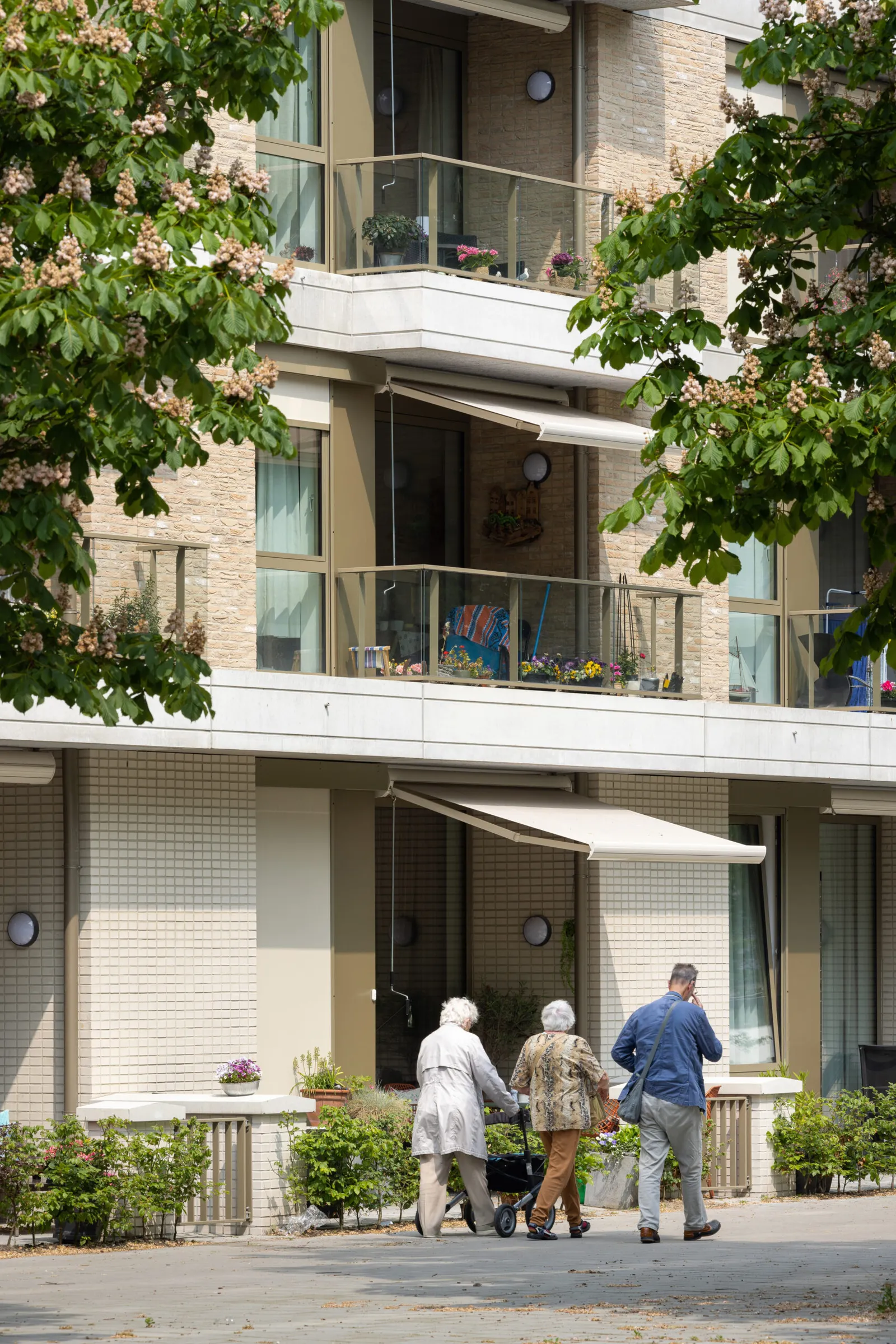
Overarching vision
Kastelein: “Our projects consistently show that a site usually cannot be divided into separate challenges. With multiple owners and functions involved, everyone recognised that it could only be tackled as a whole. The realisation that healthcare real estate is a shared responsibility provides the basis for taking things further. We often start with an overarching vision setting out how housing associations and healthcare organisations will work together, and use this to develop a shared area vision that provides direction and a framework for further development.”
Although real estate is essential to the delivery of care, property development rarely falls within a healthcare organisation’s core business. Changing legislation, pressure on healthcare funding and growing risks mean that investing in healthcare real estate is becoming less and less straightforward. Hoekstra: “That’s right. I see many organisations looking for ways to scale back their healthcare real estate and avoid risks. Even when there is a pressing need for new construction or redevelopment, it is sometimes not feasible for them to develop the project themselves.” Kastelein: “But there are certainly opportunities, provided the challenge is approached holistically. At the same time, healthcare places strict demands on design. In our projects, this is sometimes very clear. Care logistics, such as night-time care and clustering psychogeriatric care, constrain the spatial possibilities. And the desire to maximise the mix of general housing and housing for people with intensive care needs sits uneasily with the need for care efficiency. The challenge is to find the right balance between ideals and practice.”
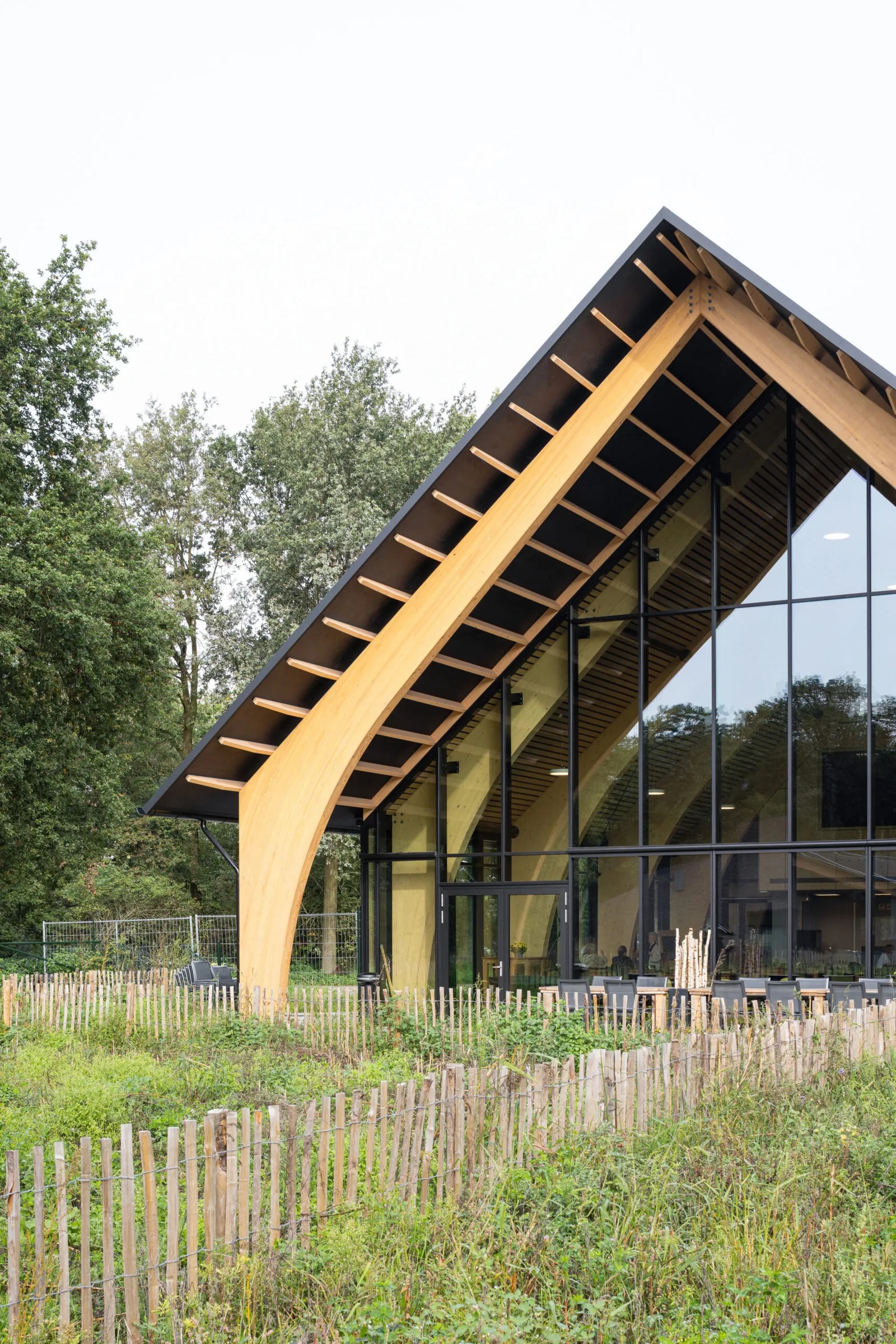

Carefully structured discussions
How do you bring together the different interests of parties such as a healthcare organisation, housing association and local authority in a single project? Kastelein: “Carefully structuring discussions is essential. Our approach involves both joint and separate discussions with all the parties involved. If you do not hold those separate discussions, certain issues can remain under the radar. By separating them out, different conversations can take place. Then we bring everything together and discuss individual interests and conditions openly. This calls for an open-minded approach that leaves room for development. You should not be too dogmatic, though that is not our style in any case.”
Hoekstra: “It helps to focus on equality, trust and continuity. I pay close attention to ensuring that the different parties have an equal voice. That also means a lot of coordination behind the scenes. If it looks as though someone is being left behind or someone else is moving too quickly, I step in to safeguard equality. Sometimes it works, sometimes it doesn’t.”
Direction only emerges when a vision is linked to a specific site. A shared ambition remains abstract unless it is tied to a particular place. In healthcare real estate projects, direction emerges only when vision and location meet. Hoekstra: “It really helps to connect the vision, target group and future plans to very specific places and sites early in the process. Otherwise, you will not get anywhere. You need to weigh the opportunities offered by a particular place or site against the challenges facing the parties. That matrix is where the first sense of direction emerges. You cannot simply work through a checklist from top to bottom, because then you miss the concrete opportunities offered by that particular place or site.” Kastelijn: “In all the projects we have mentioned, that meant first understanding what the place has to offer. Its location by the water, on the edge of a forest or in the middle of an existing residential area is not an afterthought or a constraint, but a starting point for thinking. That also means that the decision to open up and green more of a site is not an abstract ideal, but a site-specific consequence of what makes sense and is desirable there. The existing site also directly affects feasibility. You have to take account of existing buildings, above- and below-ground infrastructure, and water and green networks. Every place has its own logic, constraints and opportunities. Ignore that reality and you will inevitably run into problems later.”
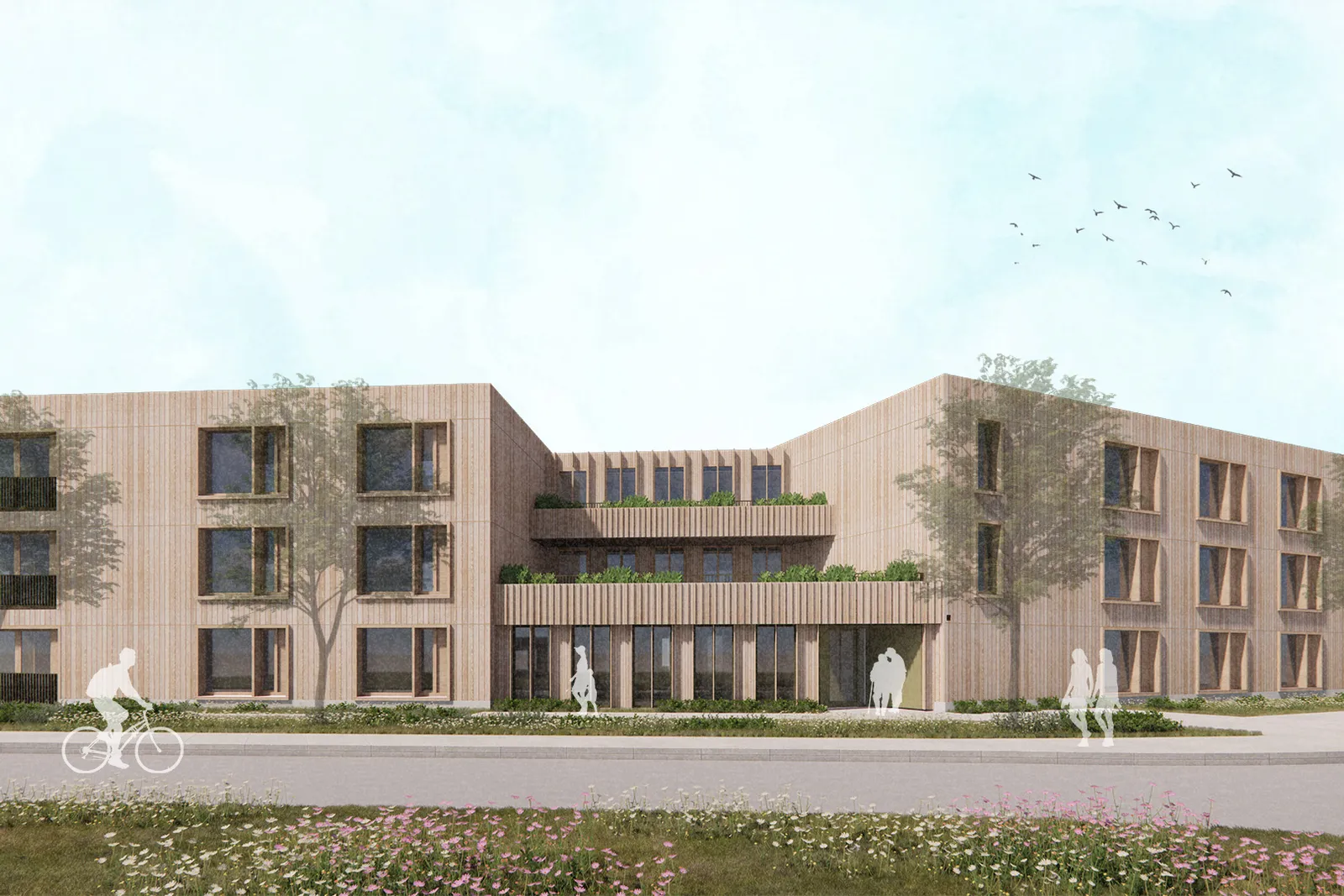
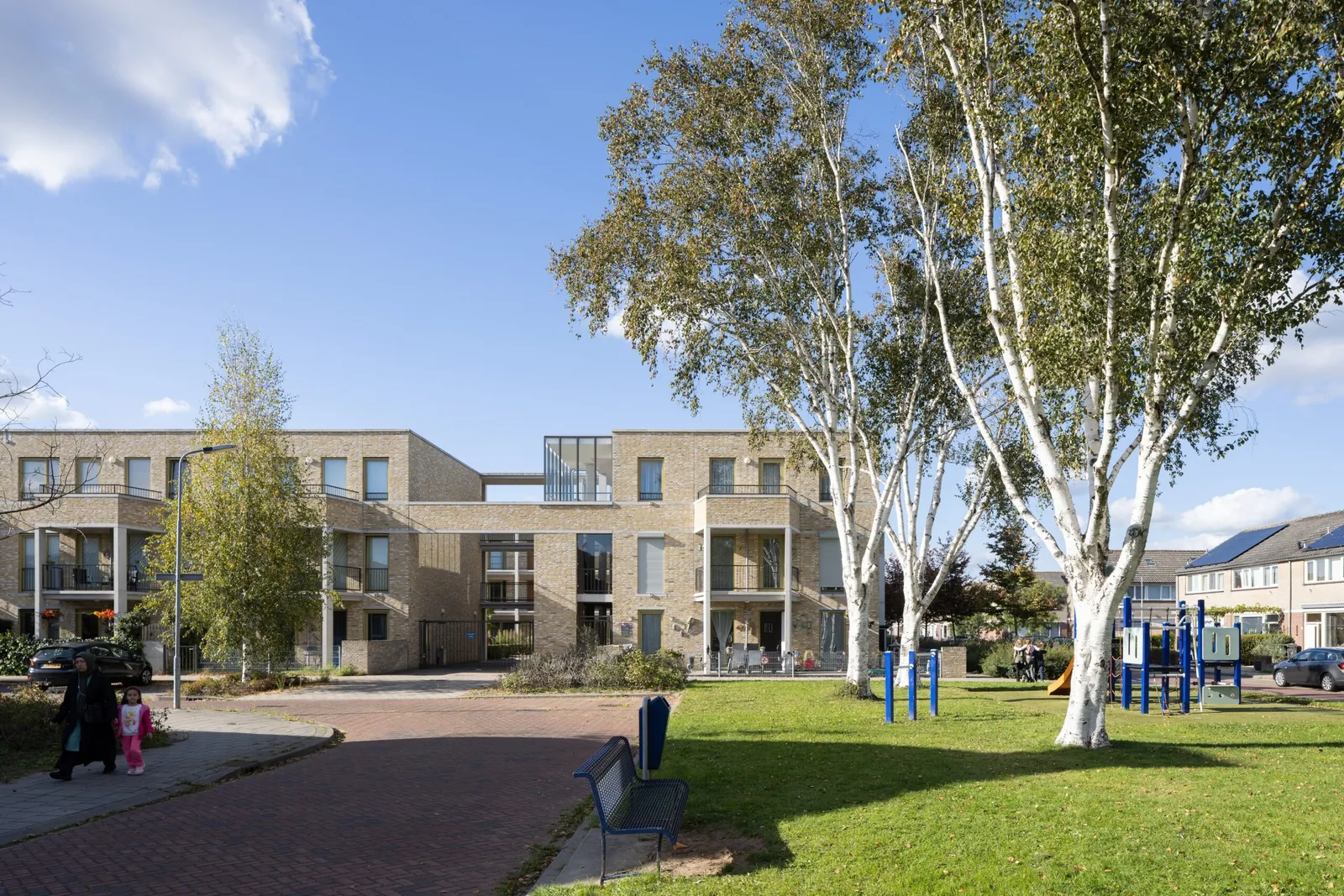
The power of visualisation
In healthcare real estate projects, design plays a different role from simply defining an end state. Visualisation is a way to shape the discussion and drive decisions, and can act as a catalyst for the process. Kastelijn: “Visualisation shows what a place could become. We use sketches to give principles substance. We regularly work from an urban design framework built up of several layers. This brings together soil, water, ecology and social structures. It is the combination of these layers that provides direction.” Hoekstra: “It also forces you to be specific and helps make different visions open for discussion. You can quickly test whether you can accommodate the different, sometimes still implicit, visions.”
This way of working calls for an independent role in the process, in which no single interest takes precedence. How do you fulfil that role effectively? Hoekstra: “The key is to get to know the different parties well, at governance level and in the project group, and, crucially, to understand each other’s organisations and decision-making processes. That takes time, and room to manoeuvre and compromise. You cannot negotiate directly from a position of vision and strategy, because these processes require give and take. Actively managing relationships, rather than focusing solely on the substance, is what creates momentum. Without collaboration, you will not achieve an outcome.”
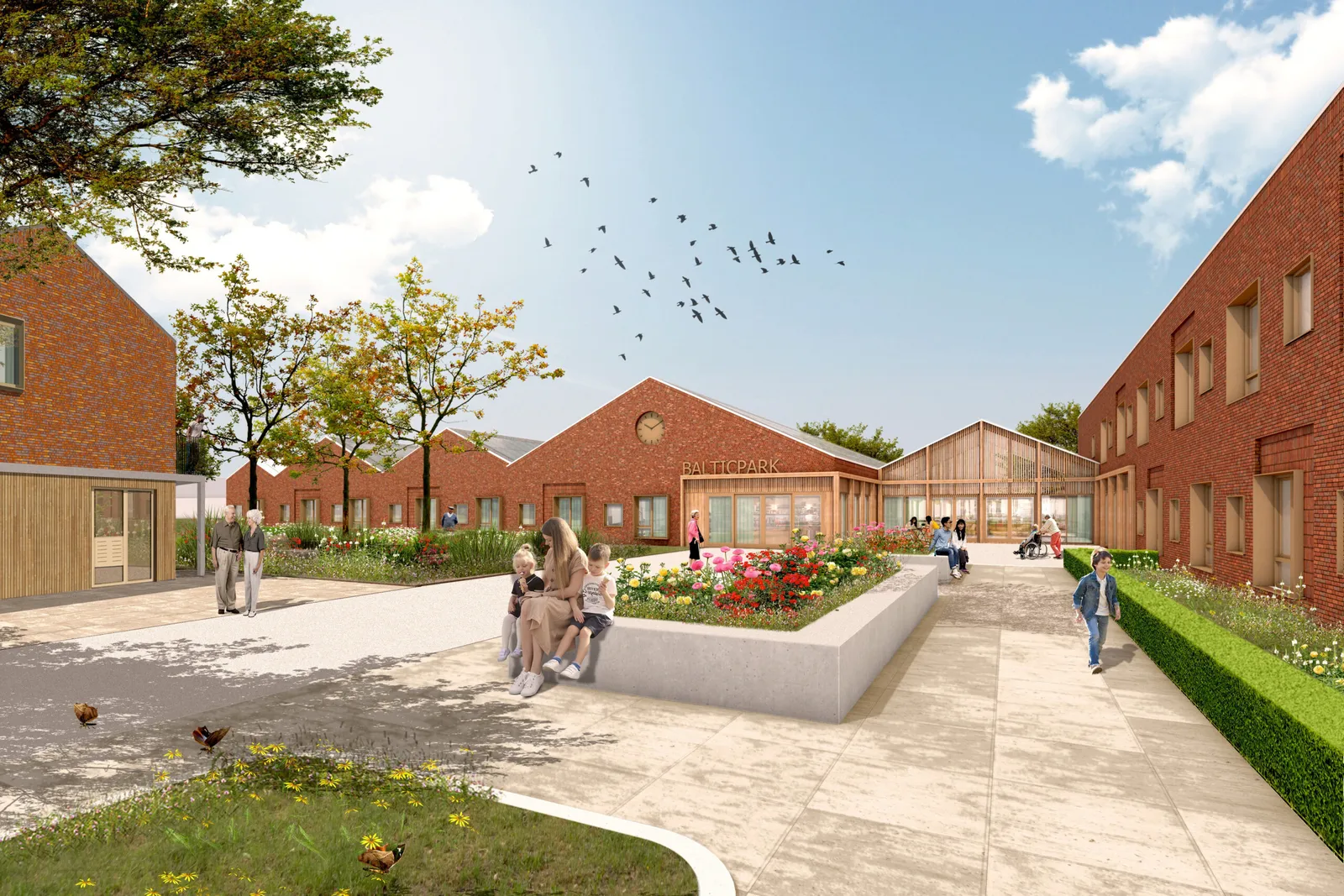
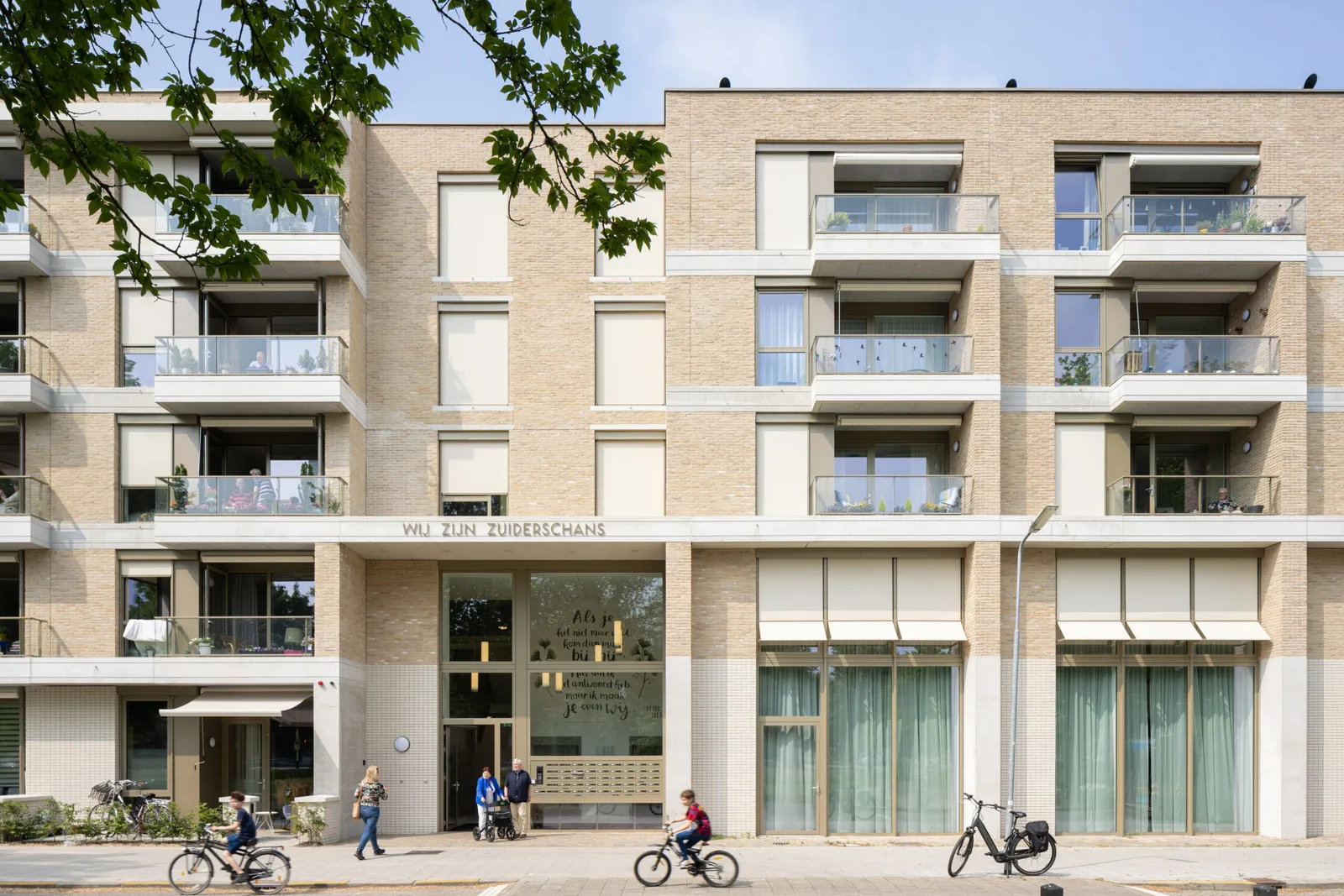
Wonen en Zorg inspiration magazine
KAW recently published a magazine called Wonen en Zorg. It brings together a range of distinctive, people-centred housing and care concepts and projects, with the aim of inspiring local authorities, housing associations and healthcare organisations and prompting discussion about suitable housing and care projects and realistic development pathways.
Question about this story? Ask your question
Keep following this
Get an email when a new story is published. No account needed.
- ThemeFuture-proofing healthcare estates
- SubjectGeneral







