











Housing and care in future-proof buildings
Text Annemarie ThönissenImage Van Vliet Bouw B.V.
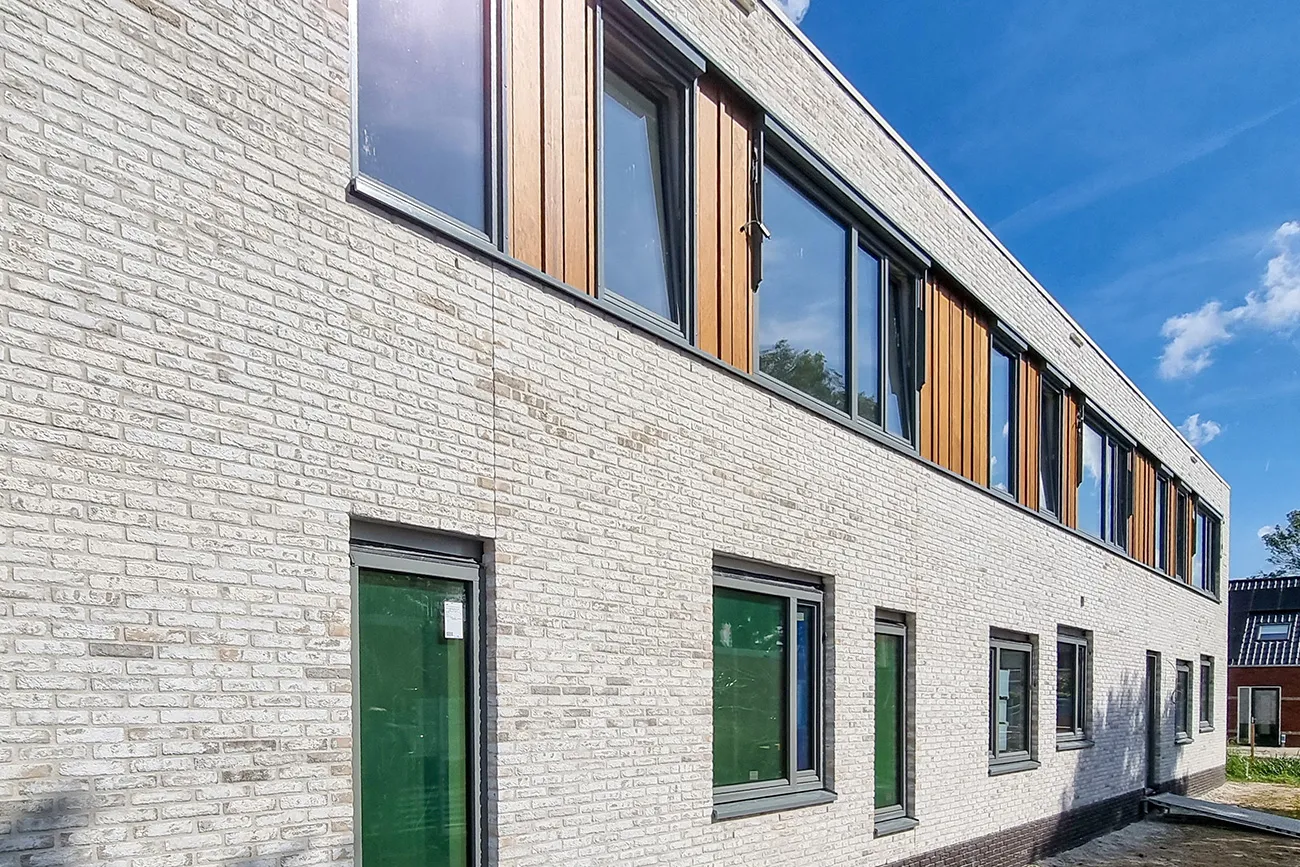
The care complex in Ter Aar is the eighth care complex built by Van Vliet Bouw B.V. Lars van den Akker, owner-director of Van Vliet Bouw B.V., talks about his mission to deliver high-quality care homes that are also energy-neutral.
The idea for the residential care complexes emerged in 2008. “Futurazorg grew out of demand for small-scale care that gives residents control. There are several concepts in the Netherlands now, but back in 2008 we were unique. We handle the construction, development and care ourselves,” explains Van den Akker.
Van Vliet Bouw B.V. develops innovative products and services and brings them all to life. “We work out how we would ideally like to see care delivered. That has led to buildings designed to meet people’s needs as well as possible. To develop them, we drew on the expertise of people with knowledge of care, advisers, local authorities, mental health services and our own knowledge and expertise.”
The benefits
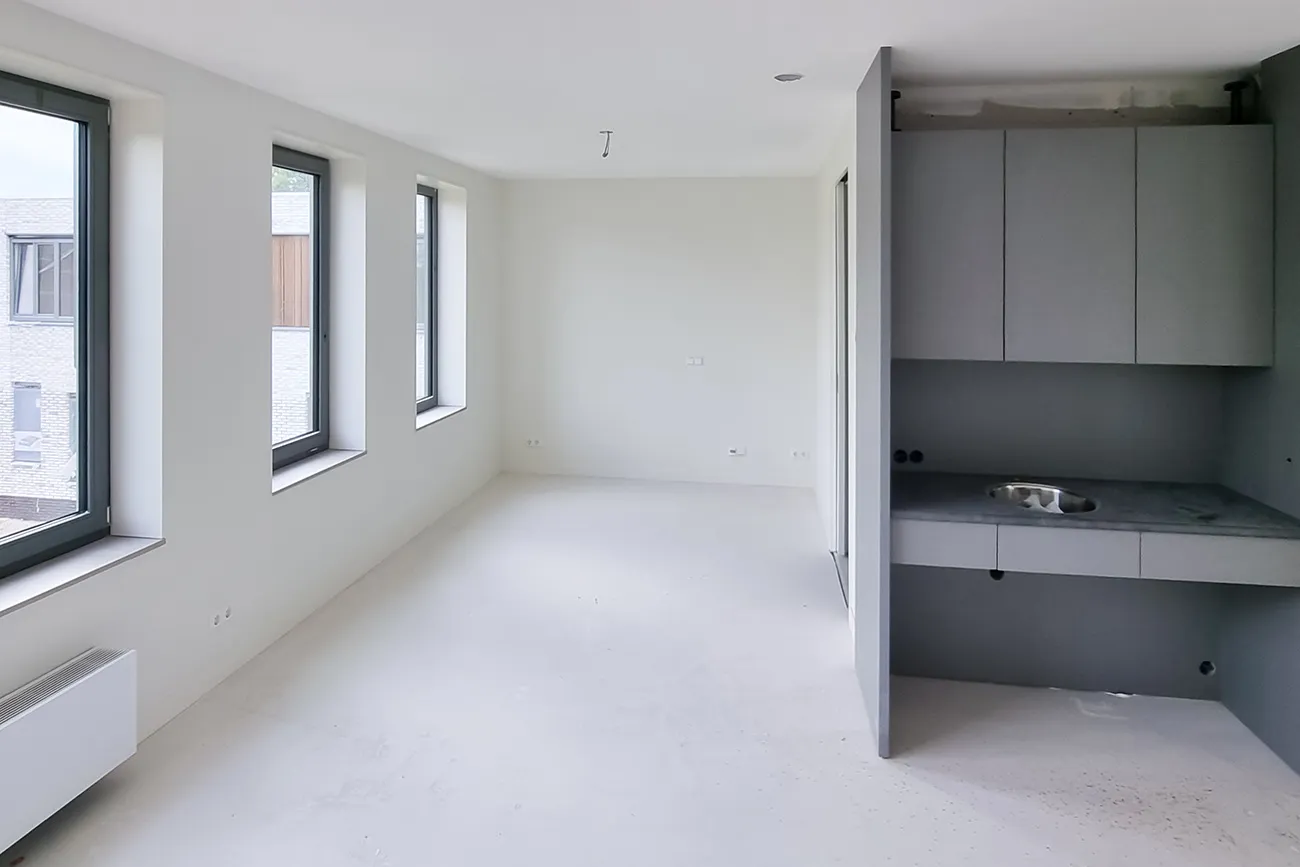
Van den Akker says that creating a sustainable living environment was a key goal from the outset. “That means, for example, plenty of natural light, good air quality, clear layouts, spacious design and an attractive appearance. All of this is intended to help residents feel as much at home as possible.” These homes help meet the high demand for care. “We even receive requests from local authorities. That is how this complex in Ter Aar came about. We have a similar complex in Nieuwveen. It is a valuable addition to the region, helping to provide care for older people.”
Energy-neutral
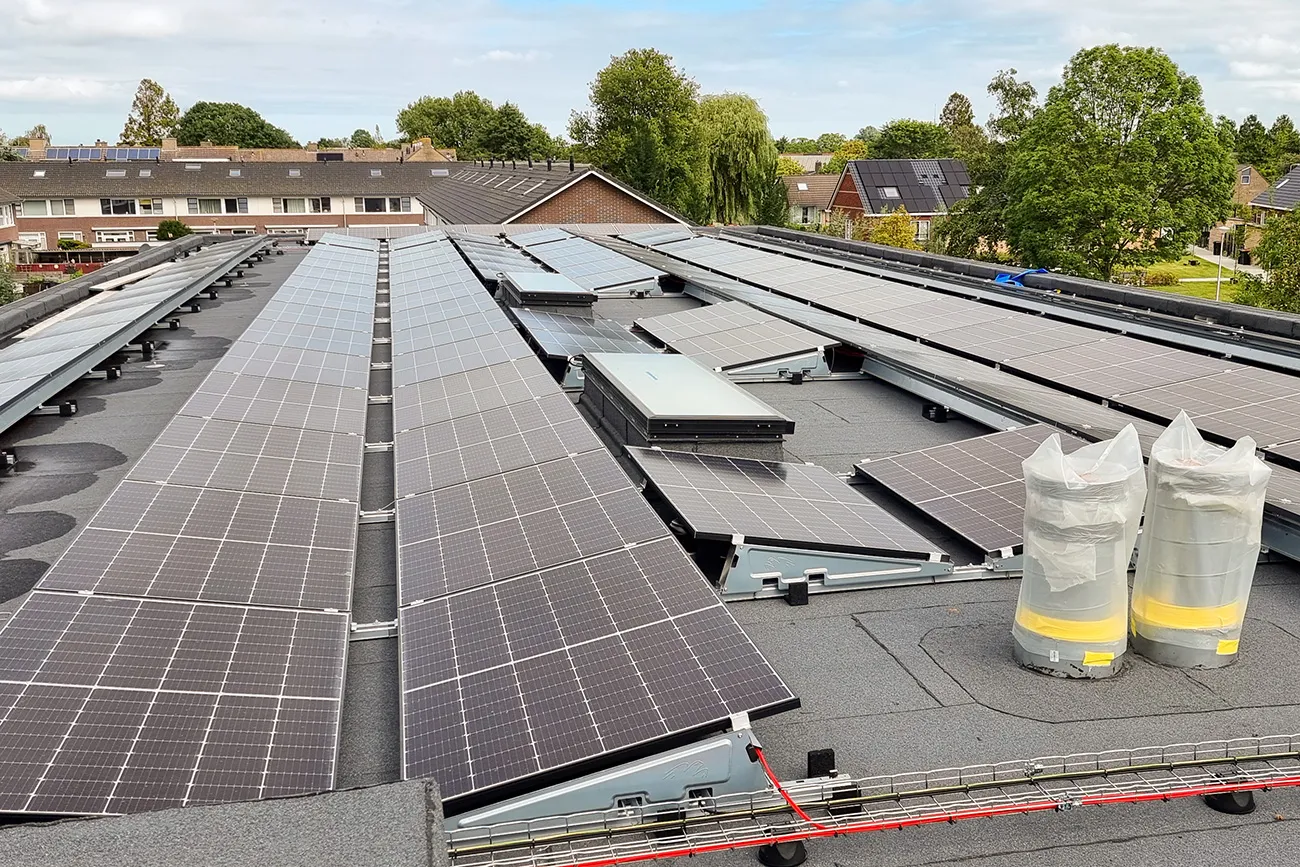
Van den Akker says that on previous projects he often looked at what the company could carry over from earlier work. This time, the focus was on taking sustainability a step further. “We have always achieved an energy label A and met the BENG requirements, but this time our goal was to be energy-neutral. That was quite a puzzle, because it is difficult to create a comfortable, sustainable indoor environment with pleasant heating while also keeping the building energy-neutral. Fortunately, we have a great deal of expertise in-house, having worked with timber as a construction material since the early 2000s. Timber has a lower CO2 impact than materials such as concrete, and it is easy to adapt, which means the building can be repurposed. That is a very sustainable way to build.”
20 years of craftsmanship put into practice
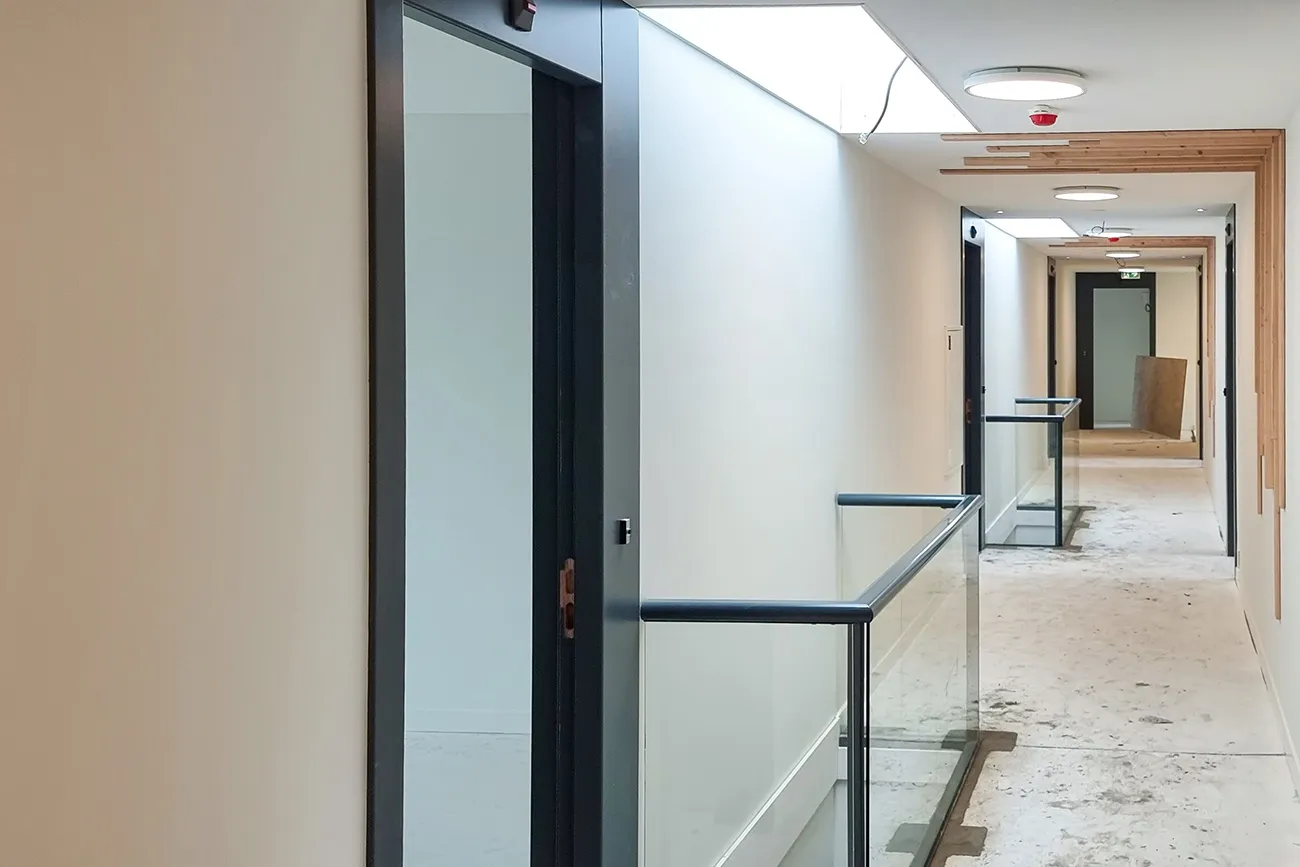
Van Vliet Bouw B.V. was founded in 2003 and soon formed a partnership with a group of 6 contractors, Sament, to join forces on innovative timber construction applications. “We have always been committed to working closely and openly with clients, other contractors and businesses. We use many innovative products and services. This was also the starting point for Futura. Since 2006, we have worked with other companies to drive innovation. That is how the prefabricated timber construction system came about. It is an improved version of the well-known timber frame system. We have focused on detailing and noise complaints,” says Van den Akker. “We have been working on sustainability for 20 years with this timber construction system and our other projects. That is unique!”
Question about this story? Ask your question
Keep following this
Get an email when a new story is published. No account needed.
- ThemeSustainable healthcare buildings
- SubjectGeneral







