A new standard in surgical lights
Text Tjerk van DuinenImage Dräger Nederland
High-tech technology above the operating table
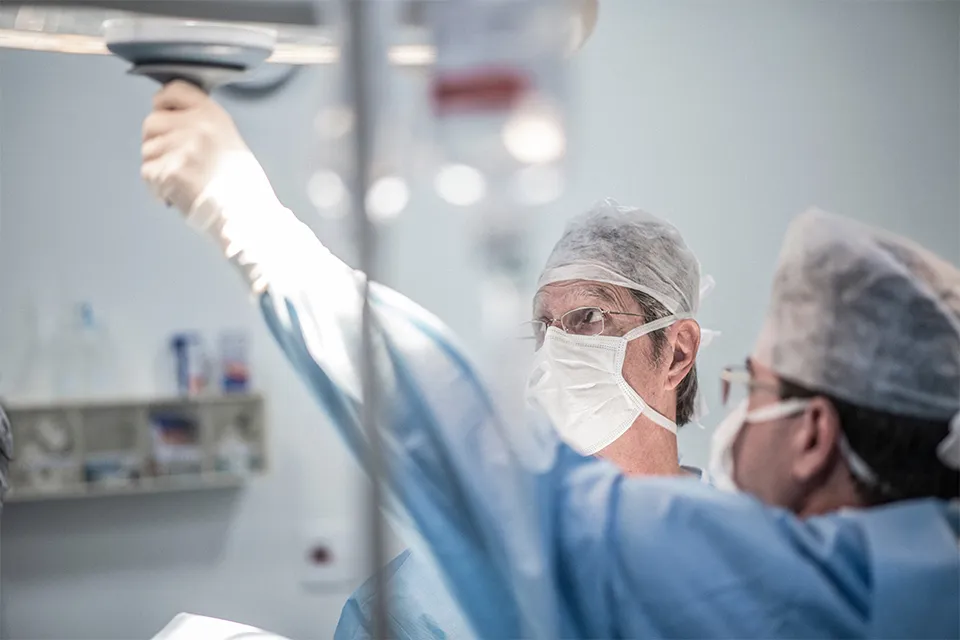
Good surgical lights are an essential part of every modern operating theatre. The advent of LED technology has driven significant advances in surgical lighting over the past ten years. Surgical lighting is also a product group in which Dräger, a major player in medical equipment, continues to innovate. The latest generation of Polaris lights is a clear example: they offer not only future-proof, bespoke solutions for operating theatres, but also greater comfort at work and ease of use for surgeons and operating theatre staff.
Fifteen or twenty years ago, operations were still performed under halogen bulbs that could only be switched on or off. “The advent of LED technology accelerated the development of surgical lighting,” says Rudy Wuring, Account Manager Architectural Systems at Dräger Nederland. “All of a sudden, you could control colour and light intensity more precisely, and new design possibilities for surgical lights emerged. This continues to evolve, which is why new models with more user features are developed regularly. The latest generation of Polaris lights succeeds the 100, 200 and 600 series. To avoid introducing yet more numbers, the new preconfigured models have been named Comfort, Pro and Pro Plus. What they have in common is the ability to add features, for example to suit a particular specialism or even a surgeon’s preferences. All these models are protected against hacking by robust cybersecurity measures. It is certainly reassuring to know that video footage captured by the built-in camera will not end up in the wrong hands.”
Optimal illumination of the surgical field
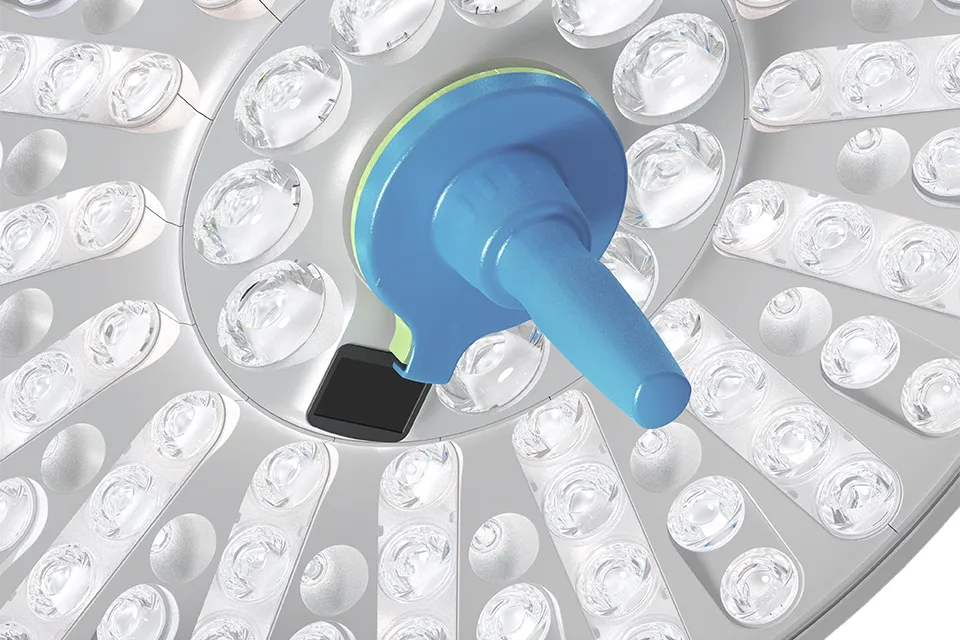
Surgical lighting is now high-tech equipment. It starts with the light sources: in the latest Polaris lights, each LED has a lens above it that directs the light to the desired area. Each LED can be controlled independently, both in terms of light intensity and colour temperature. “This is partly possible because the drivers and other electronics are becoming more compact and can fit inside the housing,” says Wuring. “For example, we can equip the light with optional 3D Shadow Compensation, a technology that detects shadows on the surgical field and actively controls the LEDs to compensate for them. Similarly, the Anti Glare function can create smooth transitions between the brightly lit surgical field and the darker surroundings. This helps prevent fatigue. Presets can store these features and other settings for each surgical procedure or individual user. We are making surgical lighting increasingly focused on its use and the user. You want to provide people who sometimes have to operate for up to eight hours at a time with the most comfortable working environment possible.”
Tailored controls
Polaris lights can be configured to suit specific needs and different workflows and processes in the operating theatre. The control panel is fitted to the light as standard, but a display on the gimbal or wall is also an option. “We chose a touchscreen because it is much easier to use than buttons,” says Wuring. “Surgeons or operating theatre assistants often want to set the light intensity or size of the light field themselves, so Dräger has fitted the central handle with Sterile Touch Control. The lighting settings can be adjusted quickly and precisely using swipe gestures. Having to ask someone else to do this can lead to miscommunication.”
Secure video transmission
The latest Polaris lights are available with an optional built-in camera which, unlike those typically found on the market, is not housed in the handle but is discreetly concealed behind the glass panel of the light. Wuring says: “4K is now our standard for clear, high-quality images. Footage can be viewed immediately on monitors mounted on the suspension system. These days, not everyone needs to stand around the table to follow the progress of an operation. Another new feature is the choice between wired and wireless transmission. Hospitals can also experience Wi-Fi bandwidth congestion, and can now opt for stable video transmission via a wired connection. Naturally, all forms of transmission are protected against hacking as effectively as possible.”
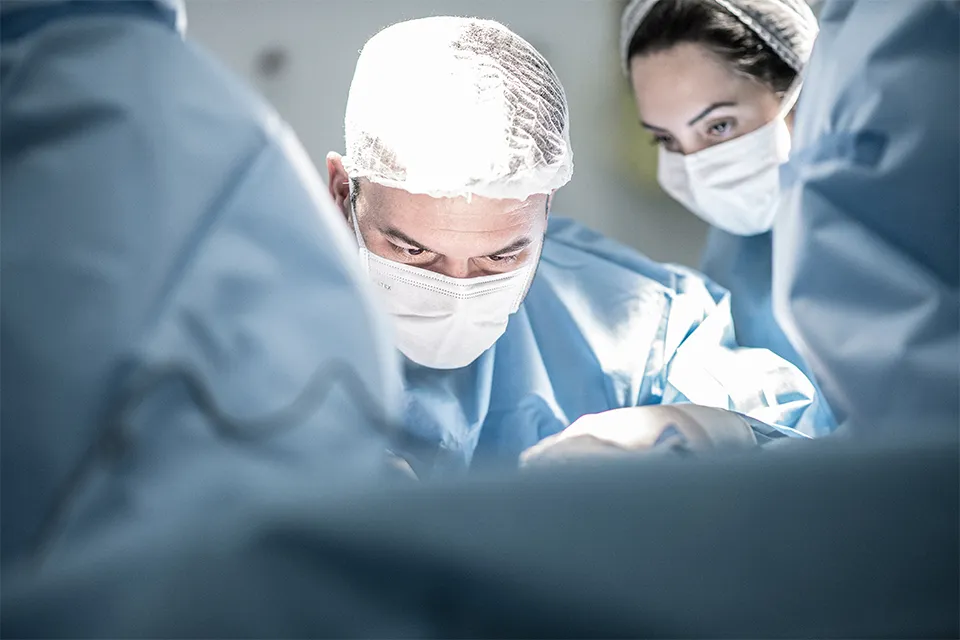
With its latest generation of surgical lights, Dräger is setting a new standard for ergonomics, comfort at work and smart technology. The wide range of options also means the lights can be tailored to any type of workplace, procedure, workflow or even individual user. “Moreover, all three models are future-proof,” Wuring stresses. “Operating theatres are changing workplaces. If additional options are needed for Polaris later on, that is no problem. The lights are designed to accommodate them.”
Een zakelijke vraag aan Dräger? Get in touch
Companies in this story
Keep following this
Get an email when a new story is published. No account needed.
- SubjectZorgTech
- CompanyDräger