Sensors for a smart, sustainable and hygienic care environment
Text Klemko Group en Lieke Bousema Beeld Klemko Group
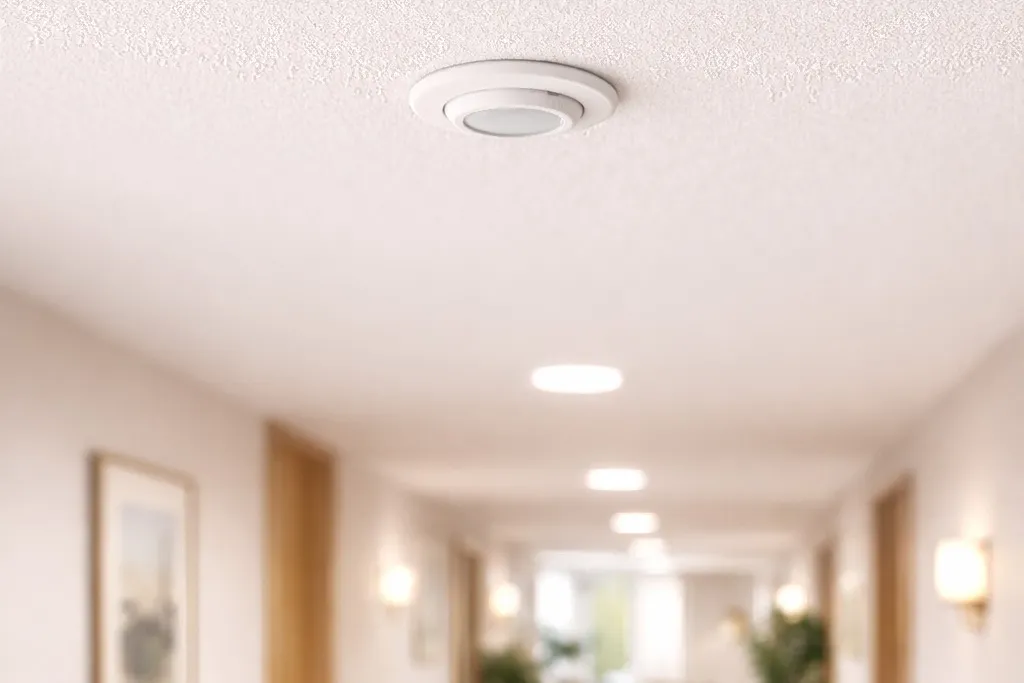
Comfort, safety and energy efficiency are playing an increasingly important role in care environments. Sensors make an effective contribution in this respect. Automatically controlling lighting and building systems based on occupancy and movement saves a great deal of energy and makes buildings easier to use. Ceiling and wall sensors are used in particular in care buildings. Klemko Group meets this need with a wide range of Lumiko sensors that combine technical performance with aesthetic appeal.
Ceiling sensors: energy savings in large care buildings
Ceiling sensors are particularly well suited to larger spaces in care facilities, such as corridors, waiting areas, treatment rooms and communal areas. They detect occupancy and movement over a wide area and switch the lighting on only when needed. “By avoiding unnecessary lighting, energy consumption is significantly reduced,” says Jelmer Hoekstra of Klemko Group. “This makes ceiling sensors a sustainable solution for care buildings with long operating hours and fluctuating occupancy. They also ensure constant, reliable operation without manual control, simplifying maintenance and management.”
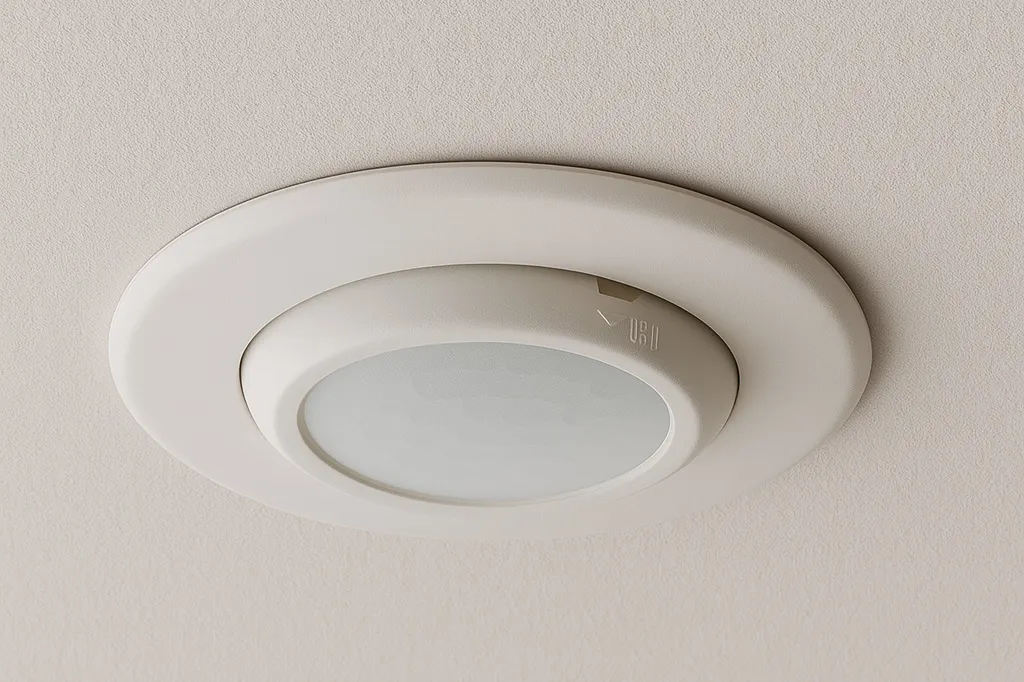
Flat lens, sleek design
Lumiko recently updated two key sensors: the 870550 G3 with two relays and the 870551 G3 with one relay. “Our well-known Lumiko sensors have had a complete makeover,” says Hoekstra. “The updated versions feature a flat lens and a sleek design. The detection range has also been increased to Ø7m (at a height of 2.5m), and the power box is fitted with push-in terminals and RJ12 connections for the sensor(s). In addition, the electronics have been upgraded to the latest EMC standard. This prevents interference from other equipment or cabling, so users can rely on the sensor operating correctly.” The features that remain include the adjustment options on the tilting head, which remain easy to access even after installation; the ability to connect five slave sensors; the Ø65mm cut-out size; and, of course, the second, volt-free HVAC contact. A new slave sensor (870556) has also been developed for both models.
Sensors with a second relay can also be used to control HVAC equipment as required. As the second relay can be timed separately, users can, for example, choose to switch off the lighting after a room has been used while keeping the ventilation or extraction running for a little longer.
Wall sensors: energy savings and hygiene
Wall sensors are commonly used in spaces where wiring has been installed for switches, but hygiene is particularly important. Examples include toilets, washrooms, patient rooms and treatment rooms. “A wall sensor eliminates the need for manual operation,” explains Hoekstra. “This reduces the risk of bacteria being transmitted and helps maintain a hygienic environment. Wall sensors also save energy. Lighting and other functions are activated only when someone enters the room and switch off automatically when it is unoccupied. This prevents unnecessary energy consumption and supports the care sector’s sustainability goals.”
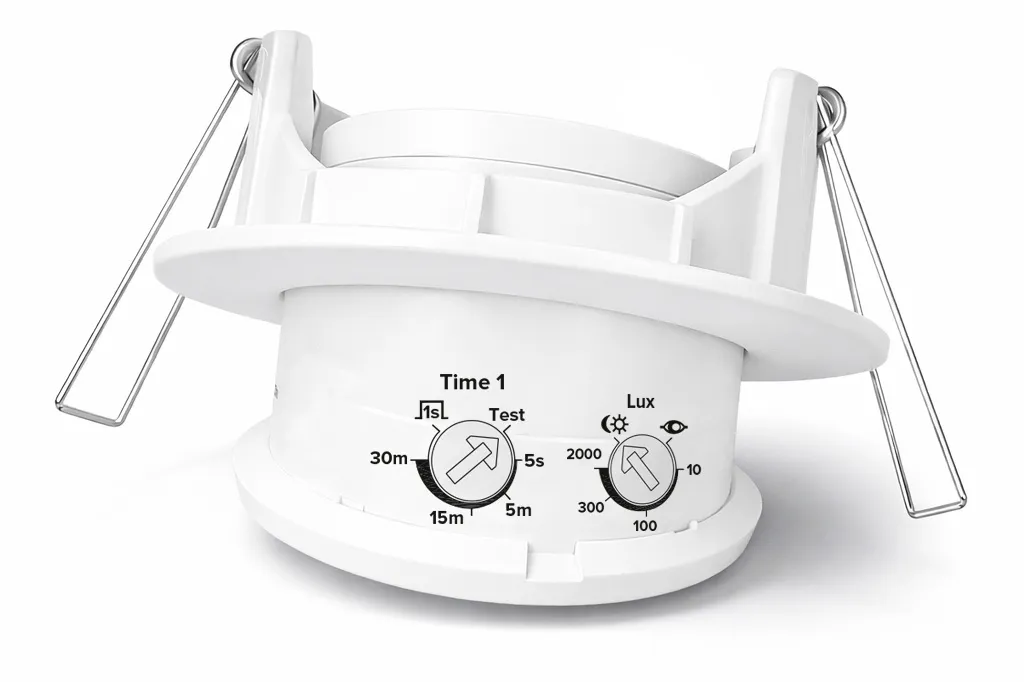
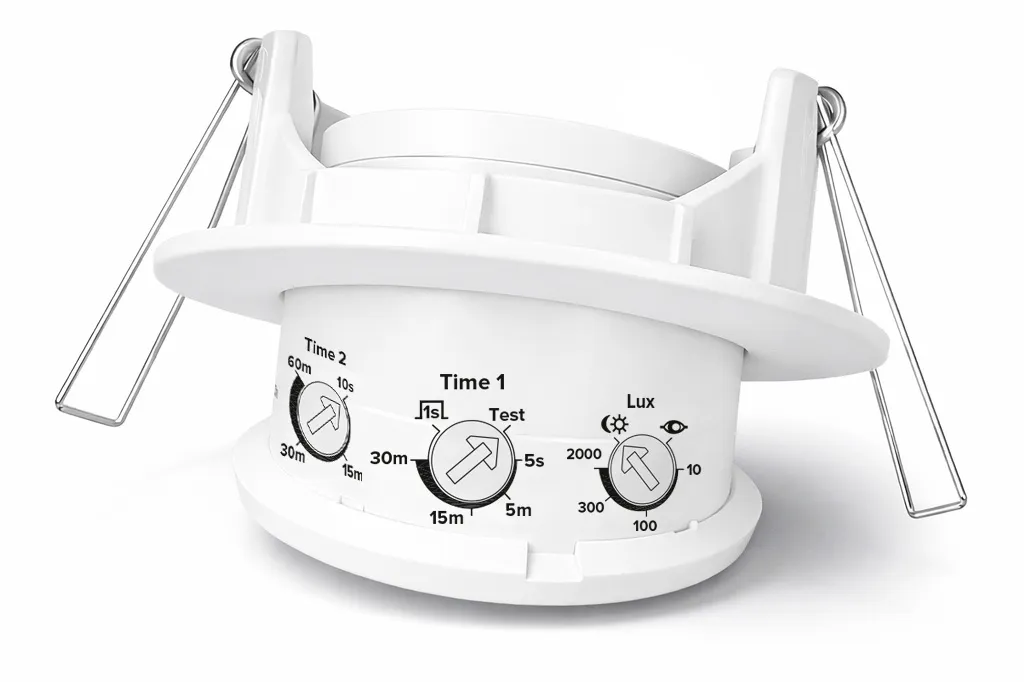
Easy to replace
Lumiko wall sensors are available in both white (870544) and black (870545). “Our wall sensors are two-wire motion detectors that operate without a neutral connection,” says Hoekstra. “This makes them particularly suitable for replacing an existing switch. The motion detectors offer various adjustment options on a concealed control panel and are ideal for use in toilets, cupboards, stairwells and rooms. The supplied adapter means the detectors can be fitted in both 50×50 and 55×55 frames. Their design and colour make them suitable for seamless integration into, for example, Jung’s black 55 series or Gira’s.”
Future-proof buildings
“Sensors help care facilities create future-proof buildings,” concludes Hoekstra. “They combine user comfort with lower energy costs and more efficient building management. Using the right sensors in each space creates a smart, sustainable and hygienic care environment.”
Question about this story? Ask your question
Keep following this
Get an email when a new story is published. No account needed.
- ThemeSustainable healthcare buildings
- SubjectInteriors