A new standard in healthcare property
Text Armand LandmanImage Bergh Bouwgroep, Christian Keijsers
Flexible and sustainable solutions for the growing care needs of older people
As the care needs of our ageing society become increasingly complex and demand for high-quality supported living solutions grows, Bergh Bouwgroep of Bergen op Zoom is taking a leading role in developing innovative and sustainable healthcare property projects. Under the leadership of Erik van den Bergh, managing director of the family business, Bergh Bouwgroep is setting new standards in the healthcare sector, with projects such as Woonhof Sterrelaan and Margaretha Woonhof serving as striking examples.
Bergh Bouwgroep, founded by Erik van den Bergh’s grandfather, has been in business for more than 66 years. What began as a small family business has grown into a major player, specialising in healthcare property. Van den Bergh says: “In recent years, we have invested heavily in developing a flexible construction system that is both sustainable and cost-effective. It is about delivering bespoke solutions to the necessary standards, without compromising on quality.”
A social necessity
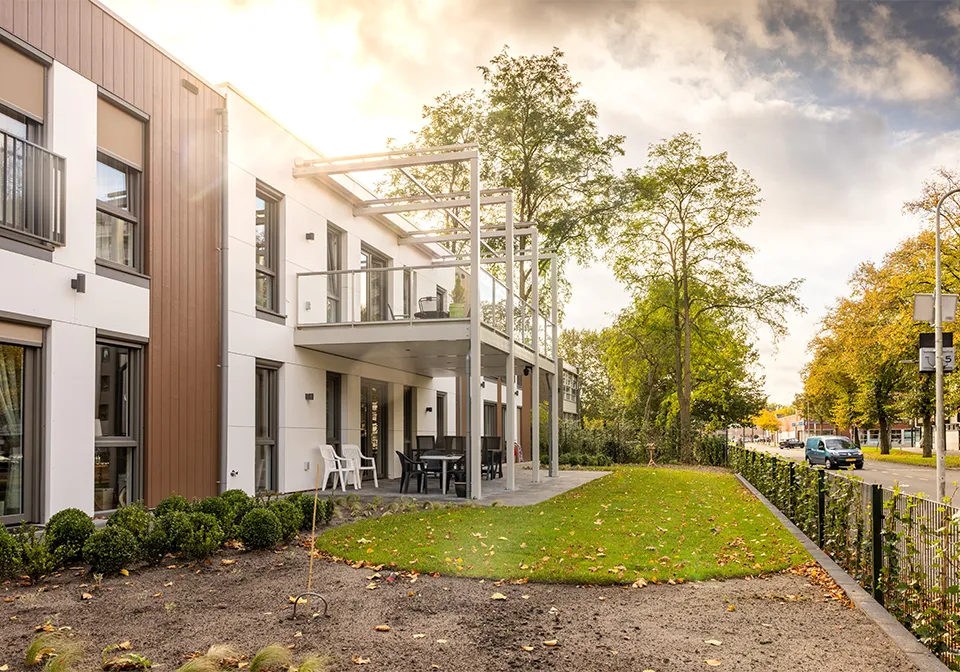
One recent example of Bergh Bouwgroep’s innovative approach is Woonhof Sterrelaan, a small-scale supported living project for older people in Bergen op Zoom. “This project really came about in response to a social need,” Van den Bergh explains. “The Social Support Act (WMO) introduced new requirements for care provision in 2015, putting many older people at risk of falling through the cracks. We developed this project on the principle that good care and independent living can go hand in hand.”
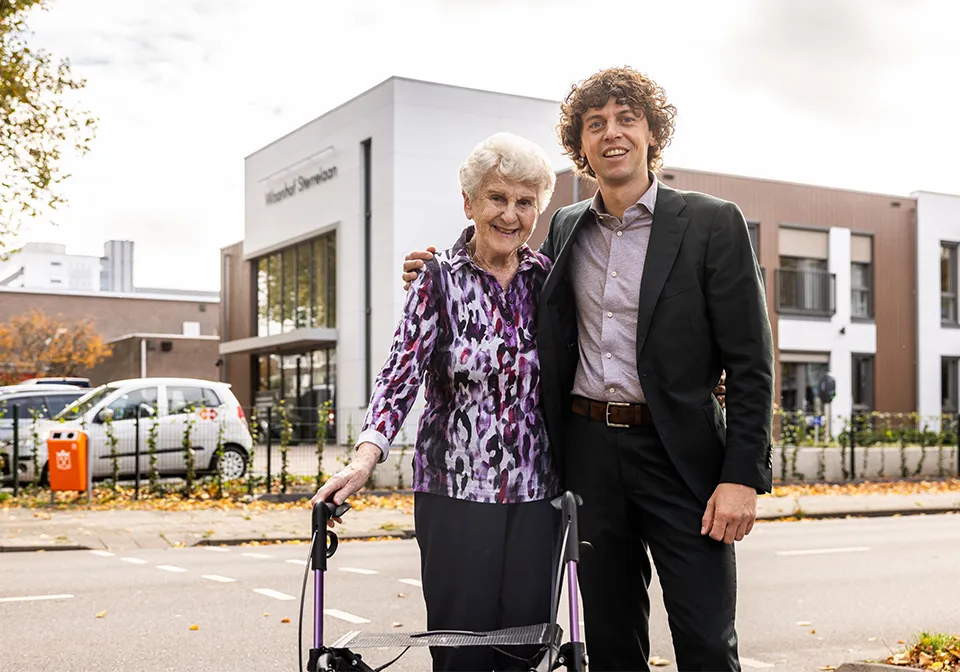
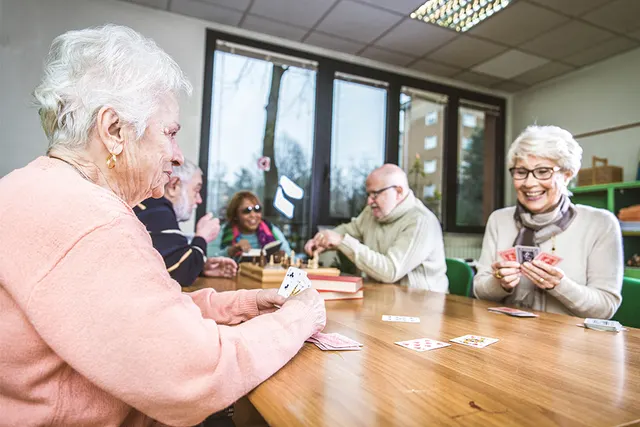
Woonhof Sterrelaan provides accommodation for 20 older people, each with their own studio apartment. Residents also share communal lounges and dining areas, creating a social living environment. “People really flourish here,” says Van den Bergh. “My grandmother, the founder of Bergh Bouwgroep’s wife, lives here now too, and it makes me happy to see how this living environment contributes to the wellbeing of older people.”
Small-scale
Woonhof Sterrelaan is Bergh Bouwgroep’s most recently completed supported living concept, but it would not have existed without Margaretha Woonhof in the village of Huijbergen. This earlier project was developed specifically for older people living alone who need a combination of independent living and tailored care. It was delivered in close collaboration with a local GP and home care organisation, and provides accommodation for 17 older people. What sets Margaretha Woonhof apart is the way care and housing are integrated in a small-scale community setting.
At Margaretha Woonhof, care is provided by a small-scale home care organisation, which uses collective purchasing to ensure that permanent care staff are consistently on site. This means residents have access to care 24 hours a day, seven days a week, while still being able to live independently. The home care organisation works closely with residents to draw up personal care plans tailored to their individual needs.
Van den Bergh is proud of Margaretha Woonhof’s success: “It is wonderful to see how the residents really blossom here. They live independently, but are part of a community. That gives them a sense of security and belonging.”
Sustainable construction system
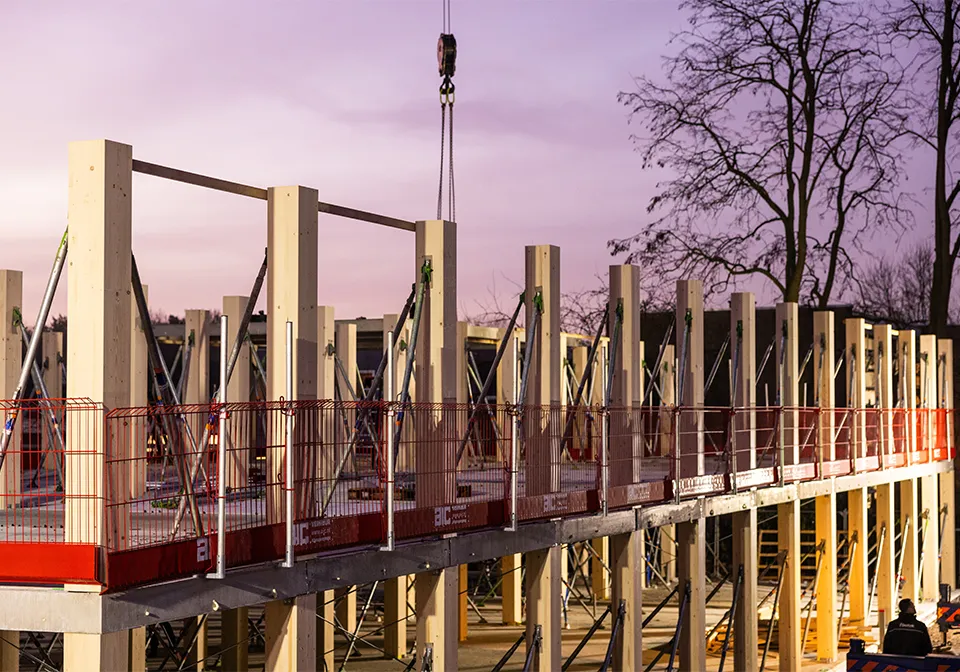
The construction method used at Woonhof Sterrelaan is based on an innovative system developed by Bergh Bouwgroep itself. The method uses high-quality timber components to create a healthy, peaceful living environment. Alongside this important health benefit, the natural building material offers many other advantages. The system combines sustainability, fast construction and flexibility in use. It centres on the use of prefabricated building elements, which are manufactured in advance and assembled on site. This makes the construction process more efficient, reducing the time spent on site and minimising the impact on the surrounding area. Van den Bergh says: “One of the biggest advantages of this construction system is its flexibility. The buildings are modular in design, which means they can easily be adapted or extended. This is an important feature for care providers, where the need for space or different functions can change over time.”
The prefabricated building elements are designed with joints that can easily be disconnected, allowing components to be adapted without having to demolish the entire building. The internal layout can also be modified relatively easily to meet changing needs, such as innovations in care technology or changes in residents’ housing preferences. Although the system is based on standardised prefabricated building elements, it allows for standardised bespoke solutions. “This means the building’s basic structure consists of repeatable, standard components, but adjustments can be made within that standard to meet specific requirements, such as façade design, room layouts and finishes.”
Assembly on site
“With a high degree of prefabrication combined with 3D design, construction becomes more a matter of assembly on site,” Van den Bergh stresses. “That is not only faster and more efficient, it also makes the site cleaner and safer, with less disruption to the surrounding area. It also brings significant cost advantages, which are particularly important in care projects given their often limited budgets.”
Blueprint
With Margaretha Woonhof and Woonhof Sterrelaan as model projects, Bergh Bouwgroep plans to develop more small-scale supported living initiatives in the future. Demand for housing solutions for older people is growing, and with its proven construction system and care concept, Bergh Bouwgroep is well placed to meet this need. Van den Bergh believes the projects can serve as a blueprint for new developments in the healthcare property sector. “This way, we are building not just structures, but communities,” he concludes. “And that is what it is ultimately all about.”
Question about this story? Ask your question
Keep following this
Get an email when a new story is published. No account needed.
- ThemeFuture-proofing healthcare estates
- SubjectAnniversary