Residential care & nursing homes
Growing old together in ’s-Hertogenbosch: building a caring city
Text José Mulder Beeld Gemeente ’s Hertogenbosch
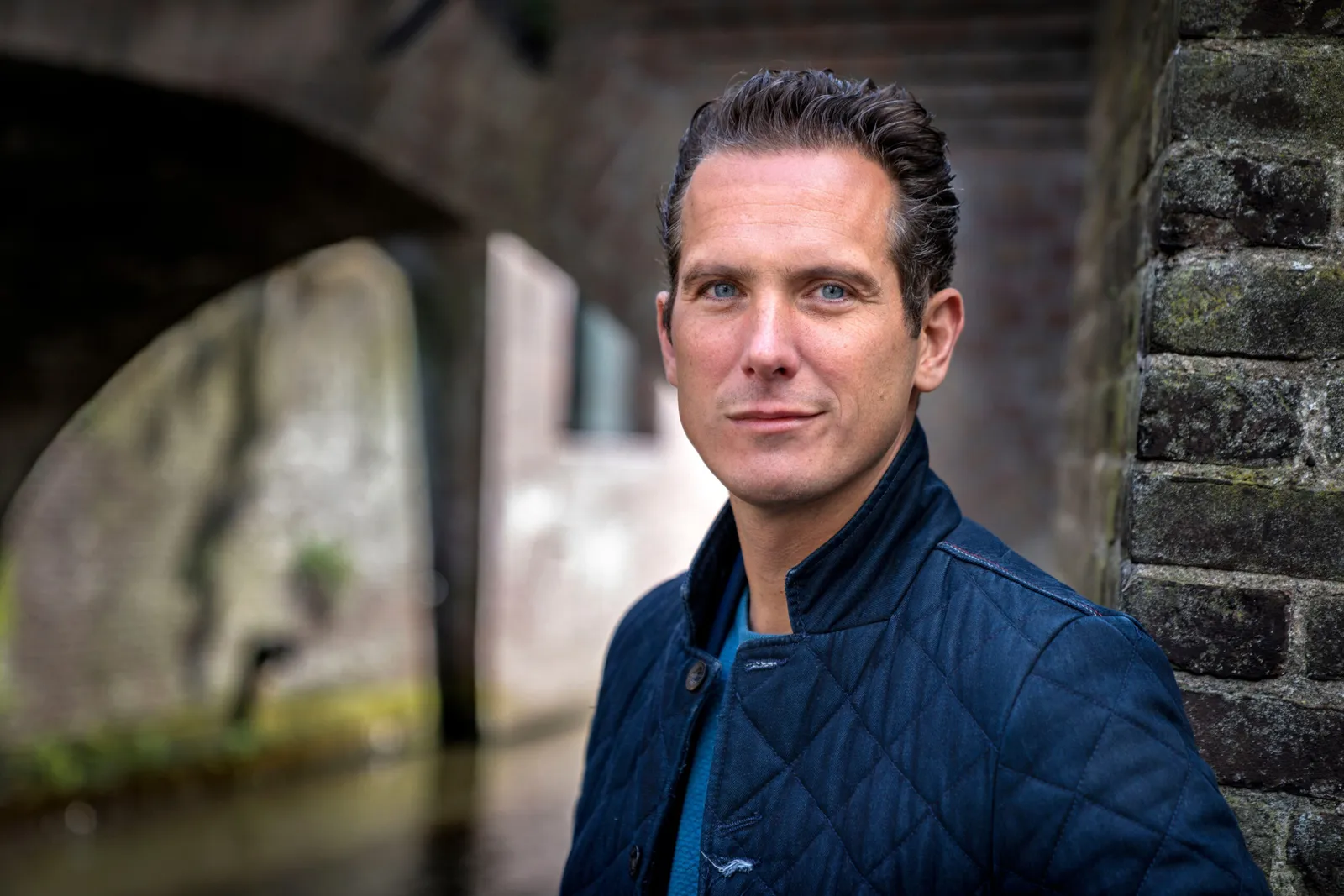
Housing, care and an ageing population are also high on the agenda at ’s-Hertogenbosch City Council. According to alderman Pieter Paul Slikker, it is a given that all 160,000 residents will need care and support at least once in their lives. By 2040, more than 45,000 residents are expected to be over 65. This will put greater pressure on care services. At the same time, the number of care workers is falling. That calls for a different approach, says Slikker: “Looking after one another should be our first priority. If the support network between people falls short, there needs to be a professional safety net, but the foundation of caring for one another lies in a society that learns once again to look out for its members.”
“As a government, we need to take an active role in this. At the same time, we want to foster better collaboration between residents, their communities, care providers and the government,” Slikker continues. That is why residents are at the heart of the municipality’s vision for care and housing policy. The vision grew out of residents’ ideas, gathered through the Bossche Burgerberaad. “We asked 120 residents of ’s-Hertogenbosch: How do we want to grow old together? Over six months, we discussed issues such as co-housing, what you can expect from your neighbours and social network, and where you need government support. People thought and talked about these issues, and it gave residents plenty to reflect on: quite a lot is changing. What does that actually require of me? What does my neighbourhood have, and what facilities are still needed? Together, we laid the foundations for our care vision.”
The Burgerberaad identified, among other things, a need for welcoming, informal places to meet. Rather than traditional community centres, residents are calling for a number of ‘living rooms’ in their neighbourhoods, where people can drop in for a chat or an activity, or ask questions. Like all the other recommendations, this has been included in the municipality’s implementation programme.
Co-housing
Every neighbourhood requires a different approach. Take Engelen, for example, one of the surrounding villages. It has mainly large, relatively expensive owner-occupied homes. These are not always suitable for people as they get older, even though many would like to remain in the village where they were born. Young people, too, are looking for smaller homes so they can get started in the village where they grew up. Residents are discussing subdividing homes or co-housing. The municipality wants to offer practical support, for example with permits or financial advice.
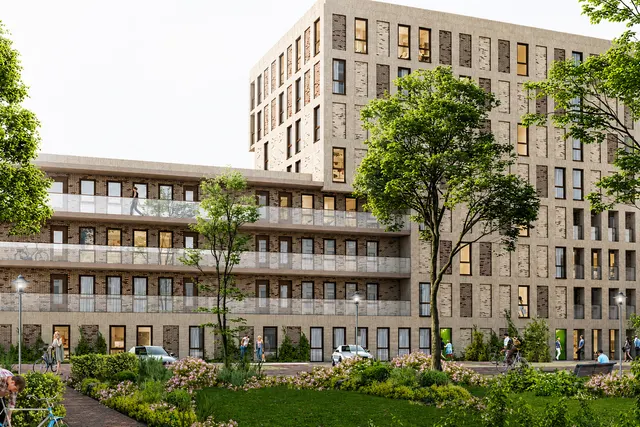
’s-Hertogenbosch City Council is also talking to housing associations about new area developments. “Governments, housing associations, developers and others need to be willing to do things differently. What if one floor of a 500-apartment development were set aside for co-housing? For people who deliberately want to live together and care for one another, such as a group of friends who want to grow old together. Give people who want to live together the scope to make it happen. Regardless of their income or age. That takes courage from governments, housing associations and developers, but we need to move away from the idea that we can place people at random in apartments and then expect a community to emerge by itself.”
Shared responsibility
The approach in ’s-Hertogenbosch is based on connection and shared responsibility. The city is building towards an inclusive, future-proof future not only through bricks and mortar, but above all through relationships. Slikker concludes: “I believe above all in looking at one another differently and in the power of togetherness. We are all responsible for building our community.”
Question about this story? Ask your question
Keep following this
Get an email when a new story is published. No account needed.
- SubjectResidential care & nursing homes