











The future of healthcare property is flexible
Demand from the healthcare sector for property has changed significantly in recent times, particularly over the past year.
Where the main challenges were once vacant space and the shift towards care at home, flexibility is now the key requirement.
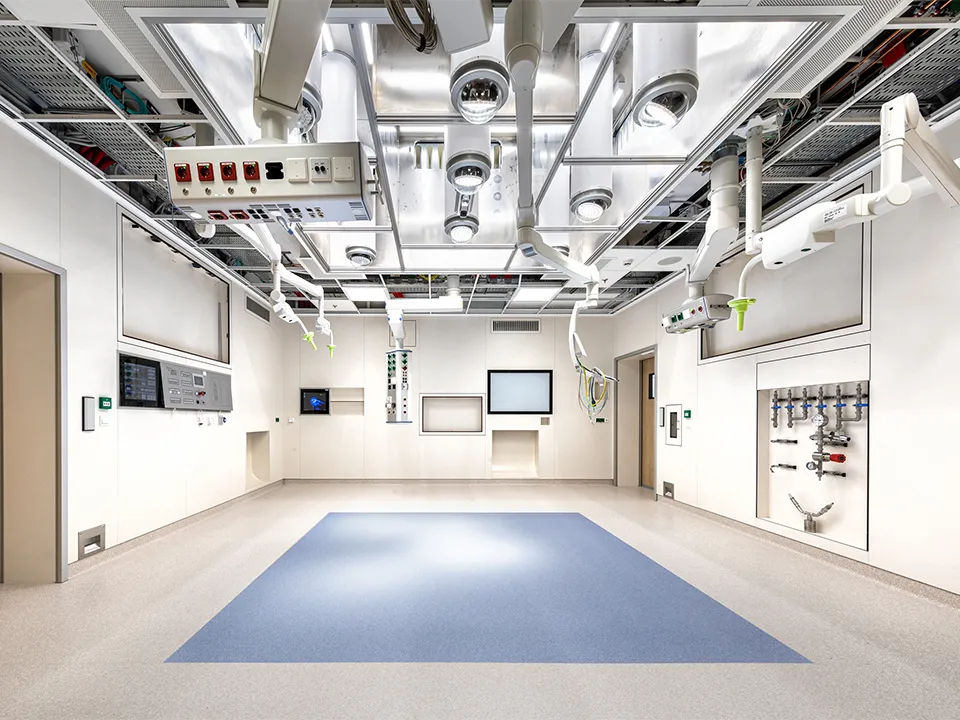
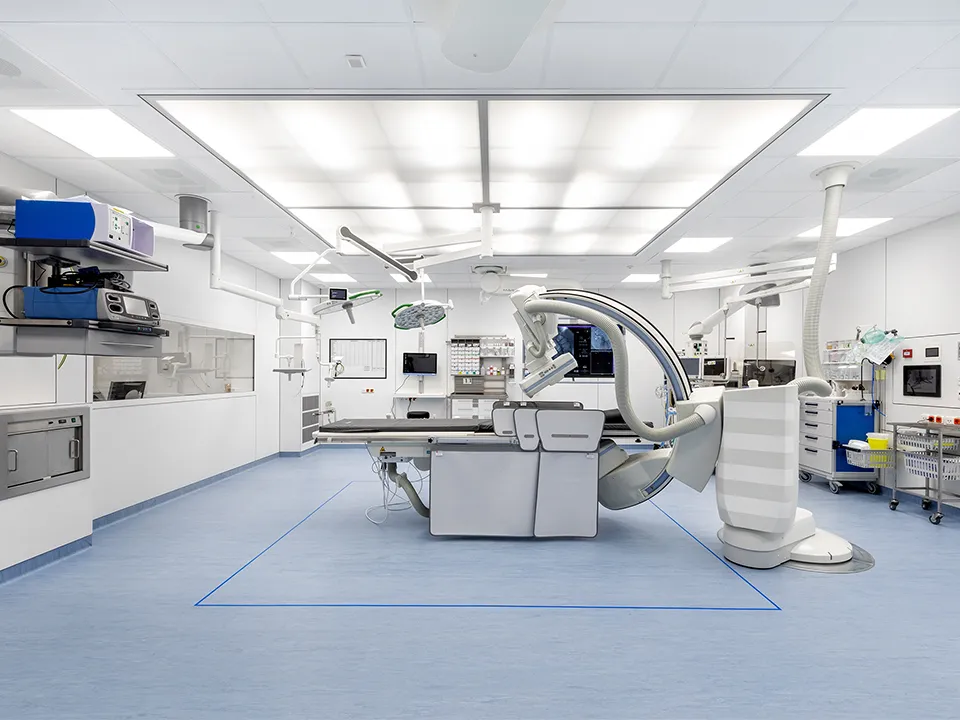
The COVID-19 crisis has had a major impact on the healthcare sector. It has shown that an urgent need for specific types of care can suddenly arise in a short space of time. It is vital to respond quickly and flexibly. However, the need for flexibility has been around for some time. It is particularly important in a hospital’s high-tech spaces. A hospital’s hotel function can be accommodated perfectly well in existing spaces, but hot-floor areas such as operating theatres and central sterile services departments (CSSDs) are more subject to change. The equipment and installations in these areas are replaced ever more frequently, shortening their technological lifespan. This calls for spaces that can grow and adapt easily to changing healthcare needs.
Changing demand reflects a number of trends in the medical sector. An ageing population is increasing pressure on healthcare, there is a serious shortage of residential care, and many non-complex surgical procedures are moving to specialist clinics outside mainstream hospitals. The buildings used by healthcare institutions often lag behind in sustainability and energy performance. Despite these trends, investment in healthcare property remains limited, largely as a result of the coronavirus pandemic. Nevertheless, studies point to significant growth in healthcare property. We should seize this opportunity to tackle shortages and challenges flexibly.
A flexible solution
Modular construction provides the answer, whether the solution is permanent or temporary. Building in modules makes it easy to scale up or down. This makes a building adaptable throughout its life, because who can plan 30 years ahead? A modular building can grow in line with needs as they arise. Modular construction is industrialised construction: 80% of the building work takes place in the factory. Complete modules are assembled at the project site to form a single building. This minimises disruption on site, allowing the department concerned to continue operating without interruption until its new premises are ready.
A shorter design phase enables Jan Snel and Medexs to start construction sooner and minimise the fit-out time on site. While groundworks are under way at the site, your premises are already being built in the factory. This allows both companies to save 30 to 50 per cent of the time. Another important advantage is that, by building circularly and minimising the number of journeys to and from the project site, they emit half as much CO2 as traditional construction companies. This also means less disruption on the building site and in the surrounding area.
Strong partnership between Jan Snel and Medexs
Together, Jan Snel and Medexs form a centre of expertise in healthcare property. They have built up extensive experience delivering modular solutions for the medical sector. Jan Snel brings more than sixty years’ knowledge and experience in modular construction, while Medexs contributes extensive expertise in fitting out and delivering so-called ‘hot floors’: operating theatres, emergency departments and intensive care units. Clients therefore have a single point of contact and one expert throughout the entire process, from tendering and permits to installations and servicing. Jan Snel and Medexs can deliver your healthcare premises on a turnkey basis and are ready to embrace change and flexibility!
A business enquiry for Jan Snel? Get in touch
Companies in this story

Keep following this
Get an email when a new story is published. No account needed.
- ThemeFuture-proofing healthcare estates
- SubjectGeneral
- CompanyJan Snel
- CompanyMedexs







