Thinking and working towards affordable, high-quality care
Text Koen Mortelmans Beeld ZORG.tech
Joint IFHE-ZORG.tech congress in Antwerp
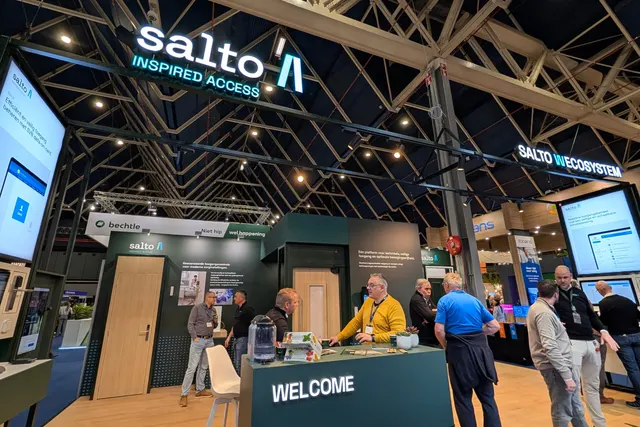
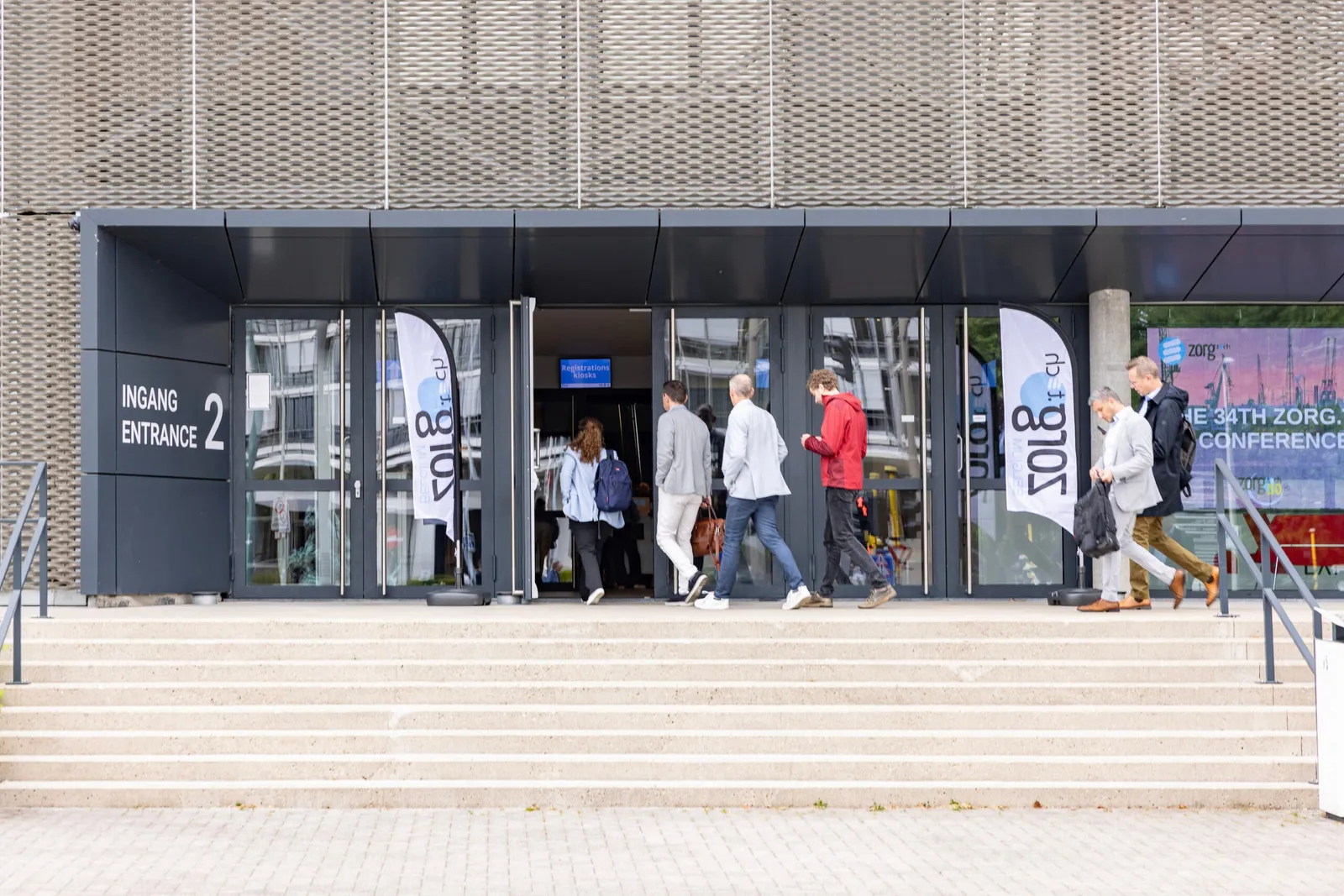
In late May, Antwerp Expo hosted the combined congresses of Belgian association ZORG.tech and its European umbrella organisation IFHE-EU. Over the three congress days, the two associations of technical professionals in the healthcare sector and the 172 exhibitors at the accompanying trade fair welcomed around 1,150 visitors from twenty countries.
The excellent quality of the speakers was evident from objective sources. Several exhibitors said the trade fair was noticeably quieter during the talks. However, as the talks focused mainly on healthcare policy in the medium and long term, some visitors preferred to spend more time at the trade fair.
Politician with a personal interest
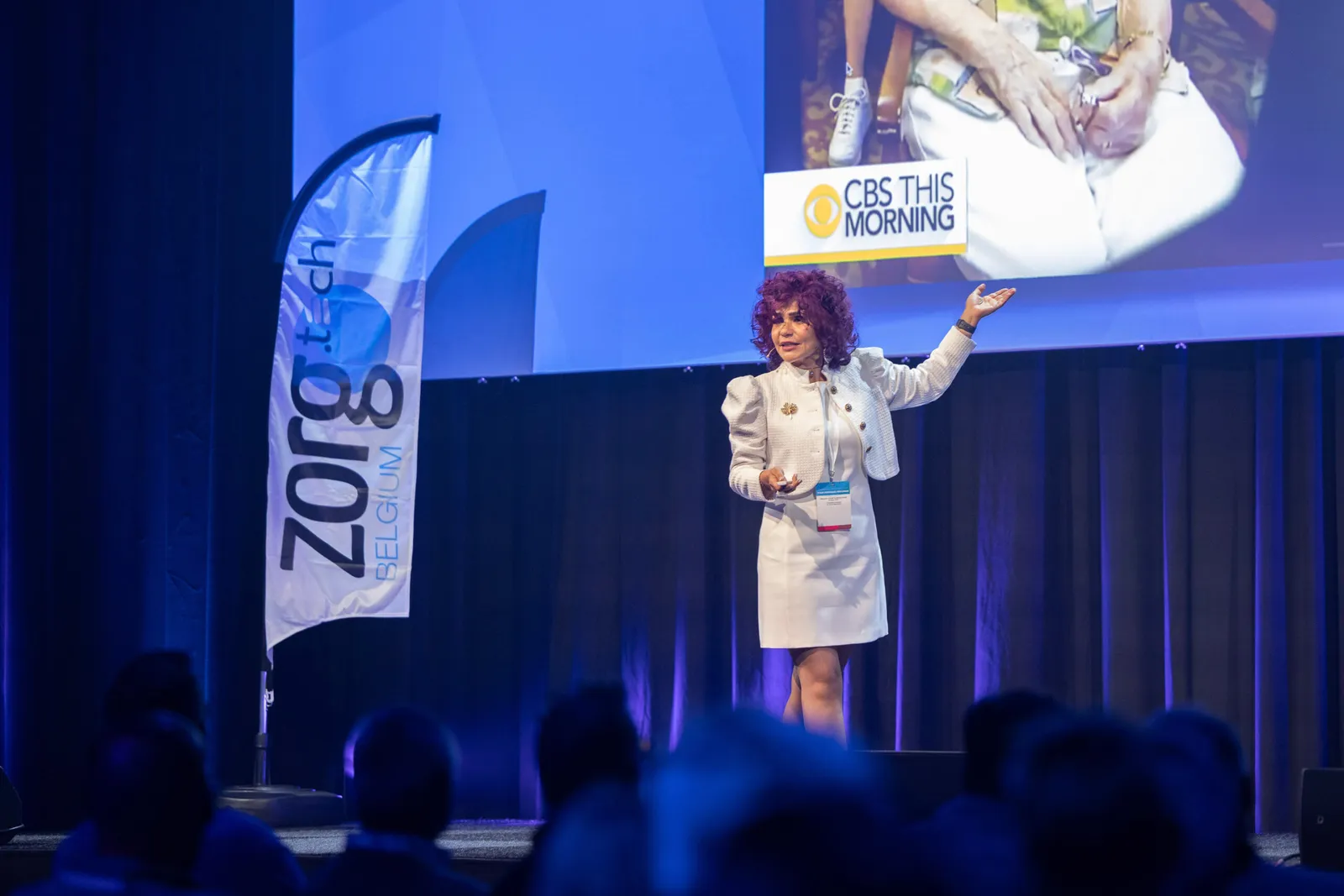
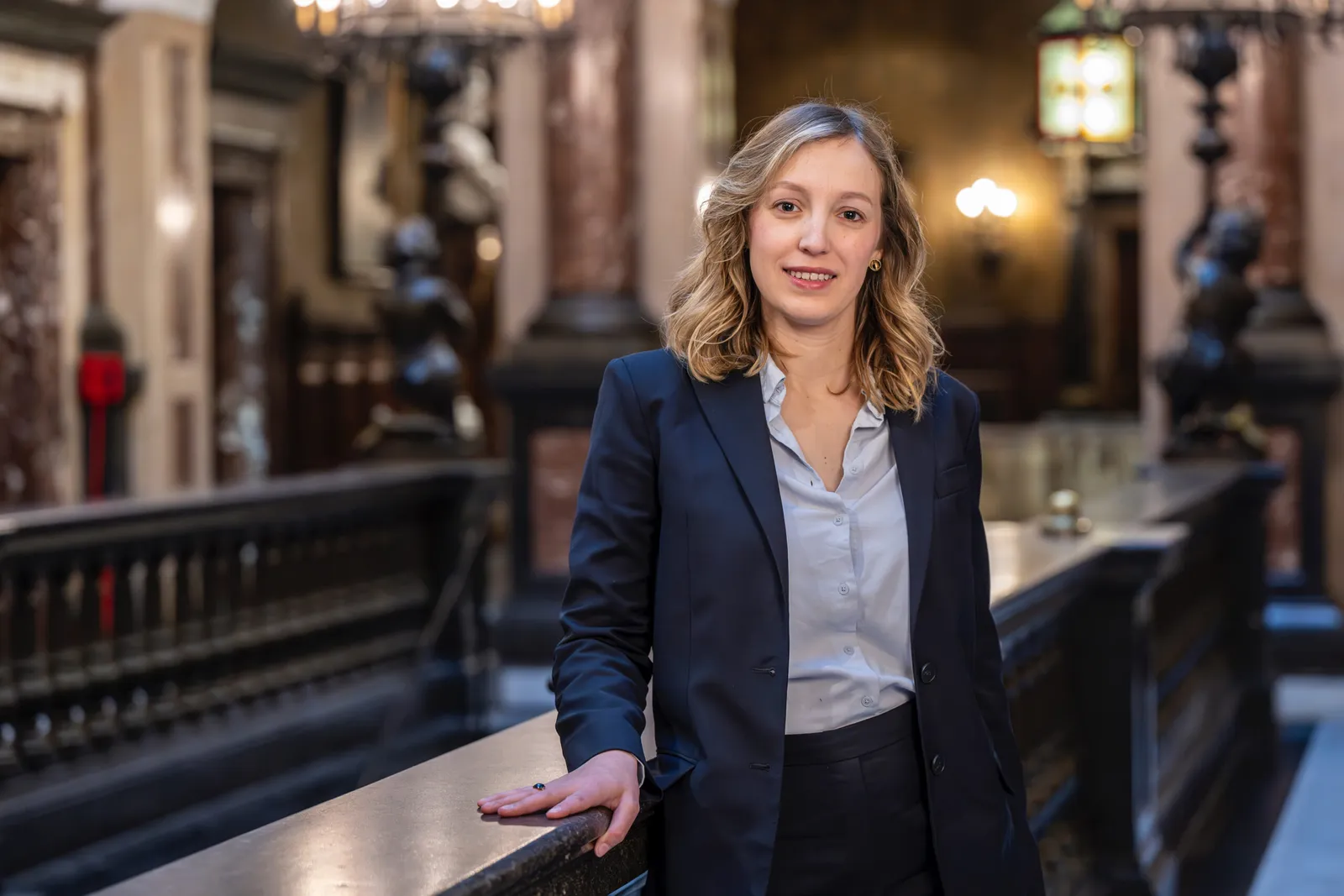
In her welcome address, Nathalie Van Baren, the newly appointed (31 March) Antwerp alderwoman for social affairs and elderly care, drew on her recent personal experiences. “I know how important it is for care to remain tangible. Not just in figures and policy plans, but in people’s lives. In the small details, in how a room feels, in how a door opens and in how a building brings calm rather than stress. I immediately think of my own grandparents, aged 78 and 86. They still live independently, but are gradually beginning to wonder about the future. Unfortunately, their view of residential care homes is not positive. Distrust has grown since the pandemic. To them, ‘residential care’ too often sounds like ‘confinement’ rather than ‘safety’ or ‘comfort’. That is why I will soon take them to visit one, so we can discover together what residential care is really like today: what is better than expected, what could still be improved and, above all, what it could mean for them. At the same time, I will learn for myself where the problems remain, what we can improve and what is needed to make care truly fit for the future,” said the alderwoman, who is due to become a mother again shortly.
‘Networking takes priority’
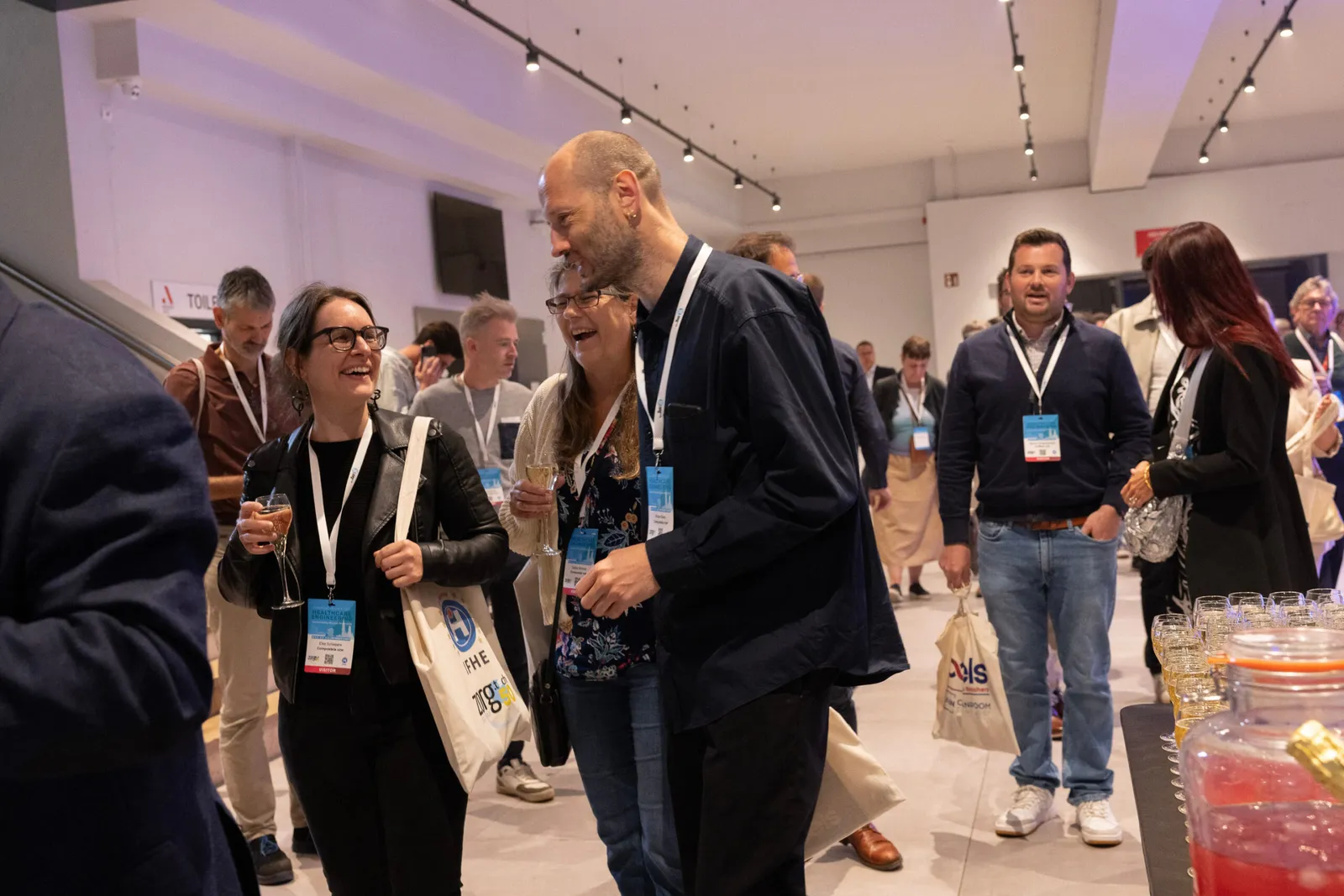
“The topics of the talks felt a little removed from our day-to-day work,” say Ruben Kemels and Wim Stiers, biomedical engineers at Universitair Ziekenhuis Brussel. “We’re here looking for solutions to the questions our nurses ask us. These are mainly about practical maintenance and repairs. We also do some networking here, although we mostly talk to people we already know. The equipment for the new operating theatres, which we will start using next year, has already been allocated, but it’s useful to talk to the people who will supply and install it.”
The right people on the stands
Ziekenhuis Oost-Limburg sent its technical staff from two teams of seven, with each team attending for one congress day. “This is an excellent opportunity to talk to our partners without rushing. At our own hospital, conversations like these are always interrupted for one reason or another,” says Bert Stas, head of HVAC services. “Among the speakers, I was particularly impressed by Dominique Vandijck and Masi Mohammadi, because their presentations got us thinking about how our day-to-day work is evolving. It’s also a good opportunity to exchange views with colleagues. They often face similar problems and have already come up with solutions, so we don’t have to reinvent the wheel. I’d compare the suppliers’ stands with ISH in Frankfurt. ZORG.tech’s great advantage is that the stands are staffed by people with a strong technical background, whereas in Frankfurt you’re more likely to deal with sales staff.”
Artificial intelligence offers new opportunities
Masi discussed the growing role of artificial intelligence (AI), including in healthcare. “I see no problems, only opportunities,” says the professor at Eindhoven University of Technology. She also called for a shift from care institutions to care environments. In her view, AI can make a major contribution by providing individually tailored support at home to people in the early stages of dementia.
Quality must remain affordable
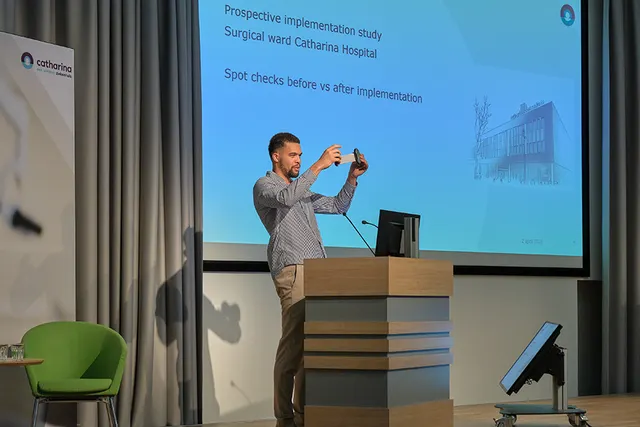
Dr. Dominique Vandijck, professor of health economics at Universiteit Gent, examined the intersection of quality and affordability in healthcare. “Quality comes first, but resources are not unlimited. We need to make better use of existing models and start from the patient’s perspective, shifting from ‘paying to do things’ to ‘doing the right things’. Funding regulations are best set at the highest possible level, nationally or even at European level. 
Belgium’s existing solidarity-based healthcare system can provide a good foundation for this. But we must be willing to rethink certain structures. Not every hospital needs to offer every speciality, for example. Highly specialised medical technology can be centralised, while facilities for common procedures are best provided close to patients.”
A considered choice to attend
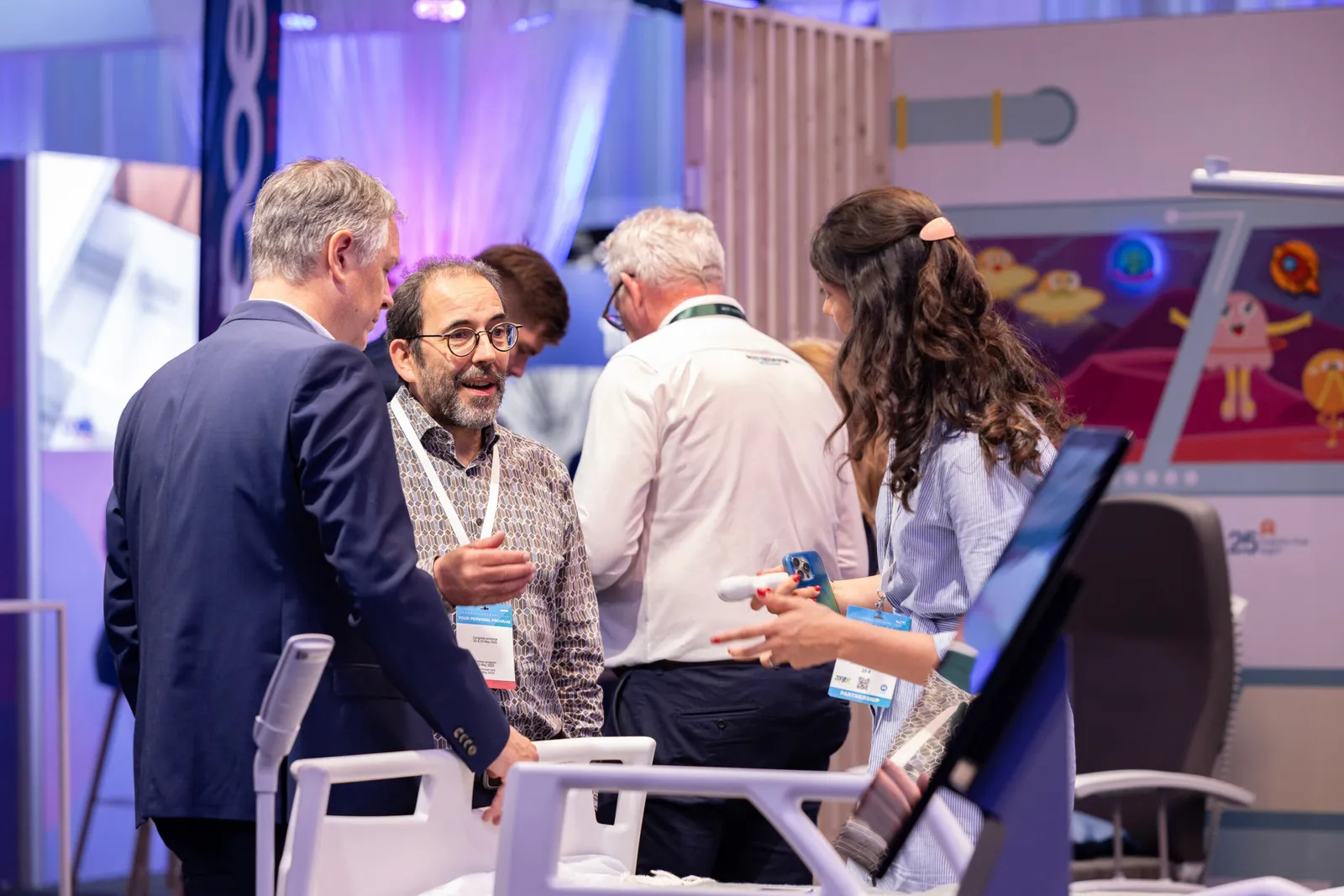
“We chose not to rent a stand,” says architect Veerle Wijffels, project manager at Detoo Architects (Ghent). “It’s not feasible to staff a stand, speak to (potential) clients and talk to (potential) suppliers at the same time. All our project managers are here. We’re not looking for anything specific, but we look around and sometimes ask about technical details, such as fire safety. We visit several exhibitors for each topic. Based on their answers, we can then decide whom to invite for a follow-up discussion. It may only be one of them. Of course, we also receive a lot of information by email, but that is a weaker basis for selection, because the loudest voices tend to stand out most.”
Finding partners and products
For Ives Van Moorhem, policy officer and team coach at the technical department of care organisation Leieborg (Deinze), attending the congress produced an immediate practical result. “I found a suitable partner here to develop group purchasing and manage the billing of electricity, natural gas and water. As part of our Masterplan, I was looking for products and partners that could help us organise Legionella prevention and water treatment efficiently and with minimal maintenance, including wastewater disposal.”
Awards
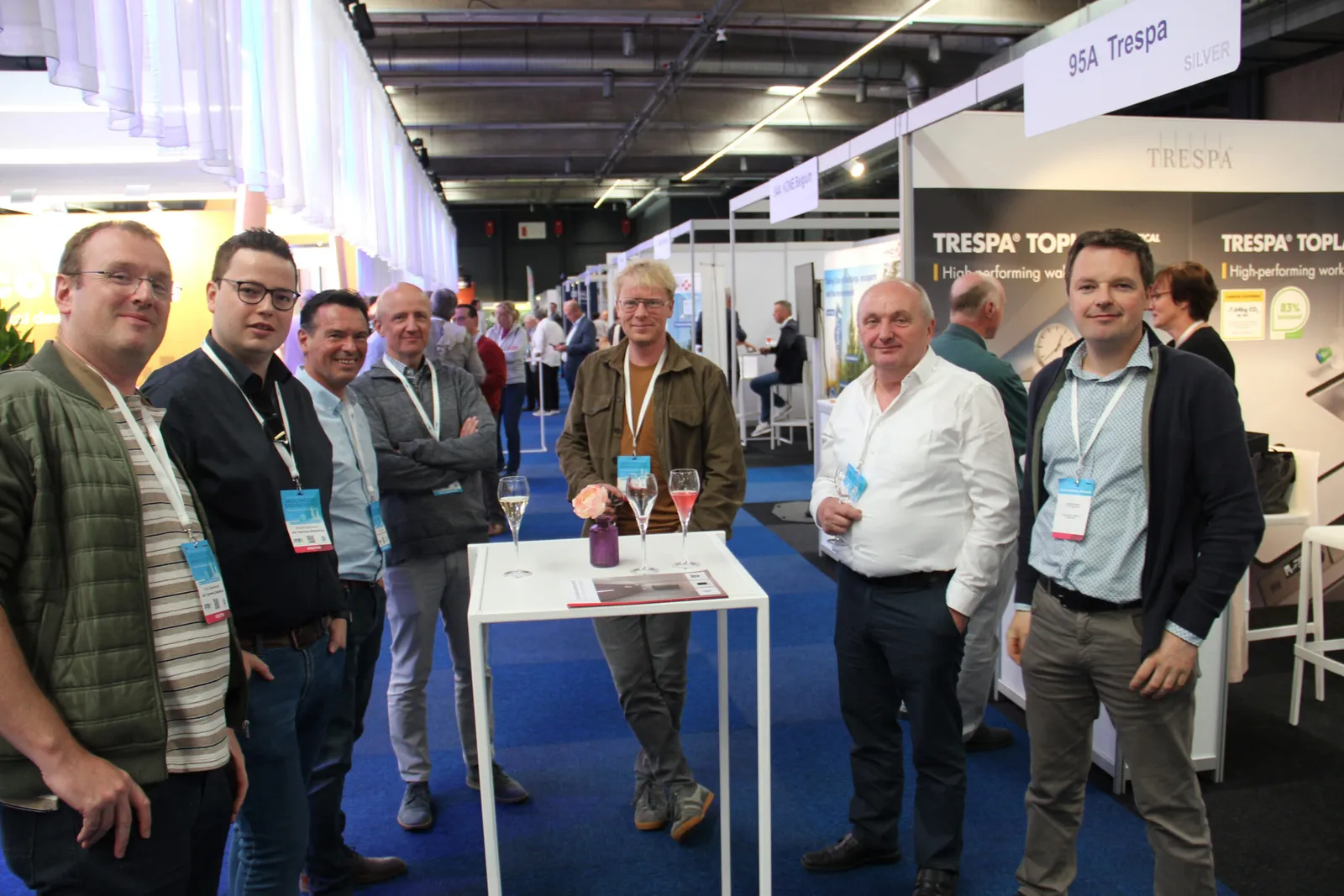
It is a longstanding ZORG.tech tradition to present a ‘social award’ at the congress to a number of institutions that have launched a special initiative within their organisation. Only institutions from the host province are eligible, to ensure a good geographical spread of winners. Very small-scale initiatives can also qualify. In 2025, the award consists of a cheque for 3.000 euros for the first selected project, and 2.000 and 1.000 euros for the second and third respectively. MPI Oosterlo (Geel) took the top prize for its ‘outdoor space design’, ahead of the therapeutic garden at De Schakel (Balen) and the Kiddybus from Kinderopvang Stijn (Mechelen).
At their congress, ZORG.tech members also traditionally award the most innovative, attractive and informative stand. This time, they named the joint stand by Lynx (25/8-Haelvoet-Zumtobel Lighting) the most innovative, the stand by Poels and ABN Cleanrooms the most attractive, and the one by Alcomel the most innovative. ZORG.Tech congress coordinator Roger Albertijn is now also chair of IFHE-EU.
Question about this story? Ask your question
Companies in this story
Keep following this
Get an email when a new story is published. No account needed.
- SubjectZorgTech
- CompanyHaelvoet NV