











‘Care affects everyone, which is exactly why we need to tell this story’
Text and images Actiz
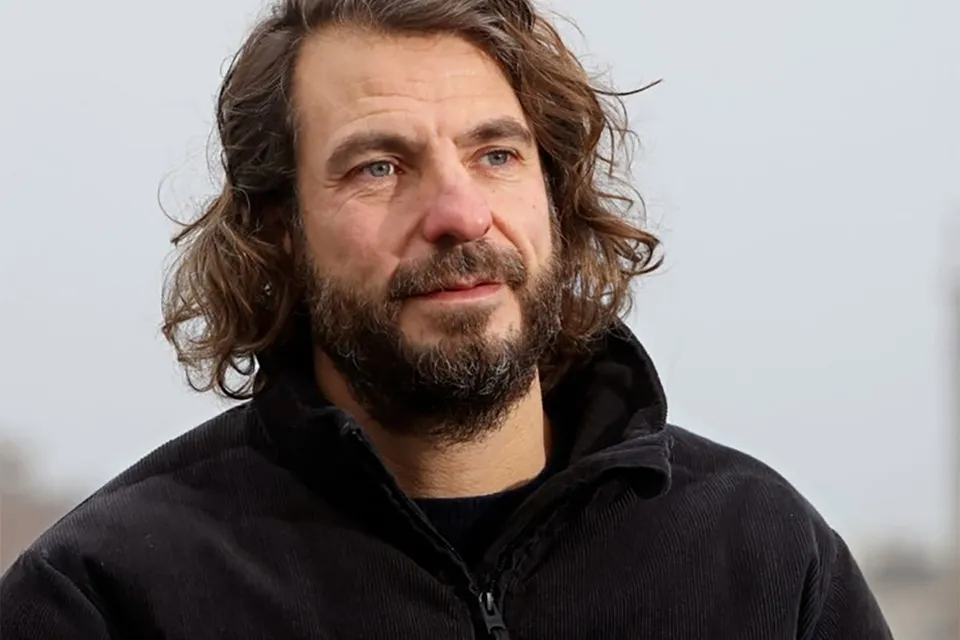
Creative producer Daniel Aiss on the new docuseries about young healthcare students: ‘Zorgen’
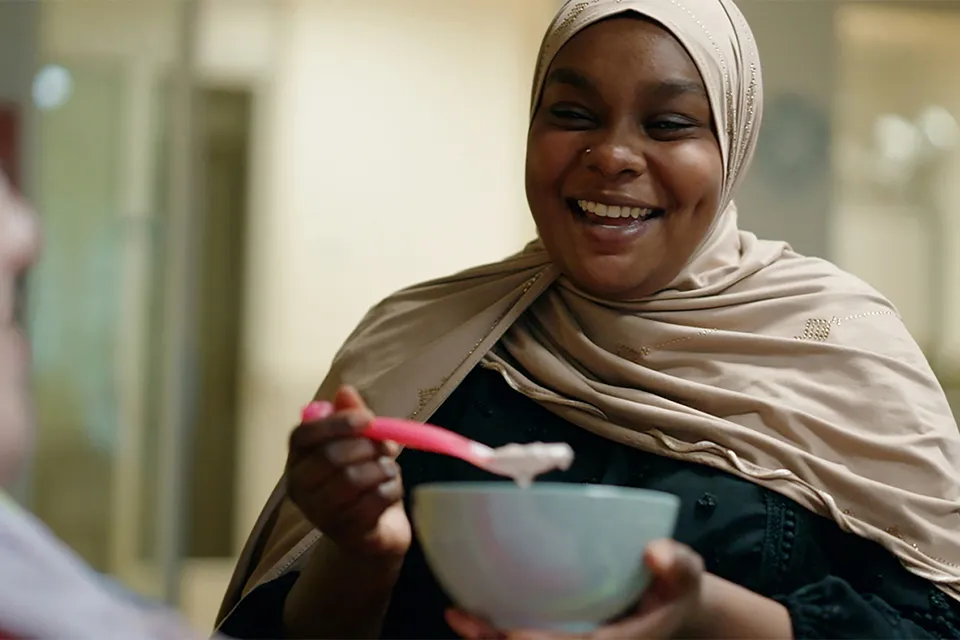
Following the success of ‘Dienders’, about police officers in training, the spotlight now falls on another essential profession: healthcare. In ‘Zorgen’, creative producer Daniel Aiss follows young people choosing a future in healthcare. ‘Zorgen’ follows seven students at ROC Mondriaan in The Hague during their first year of healthcare training. The series offers an intimate, honest and compelling glimpse into their lives, at school, at home and on placement. Aiss talks about how the idea came about, the production process and the message he hopes to convey.
How did the idea for this series come about?
“After making ‘Dienders’, I received an email from a nursing student. She wrote: ‘You should do this for healthcare courses too.’ It got me thinking. A little later, I read a report by the Scientific Council warning of a healthcare crisis: if we didn’t make changes, one in three people in the Netherlands would soon have to work in healthcare. That was the trigger for me. I started visiting healthcare training institutions across the country, and eventually ended up at ROC Mondriaan in The Hague. What struck me straight away was that students from all kinds of neighbourhoods and the surrounding area, with a range of backgrounds and ages, were sitting together in one class. A cross-section of our society.”
Was it difficult to find students and organisations willing to take part?
“It took a lot of preparation, but people were very willing to take part. Together with the school principal, we approached healthcare organisations in the region. Everyone agreed, on the condition that we had editorial freedom. We were given that trust. We explained what we wanted to do to the students at an open day. A large group signed up straight away. In the end, we followed seven students, all committed and motivated young people. And, to be honest, they could just as easily have been seven others: all the healthcare students turned out to be wonderful people. The motivation and passion of these young people is truly impressive.”
In the series, we mainly see healthcare outside hospitals. Was that a deliberate choice?
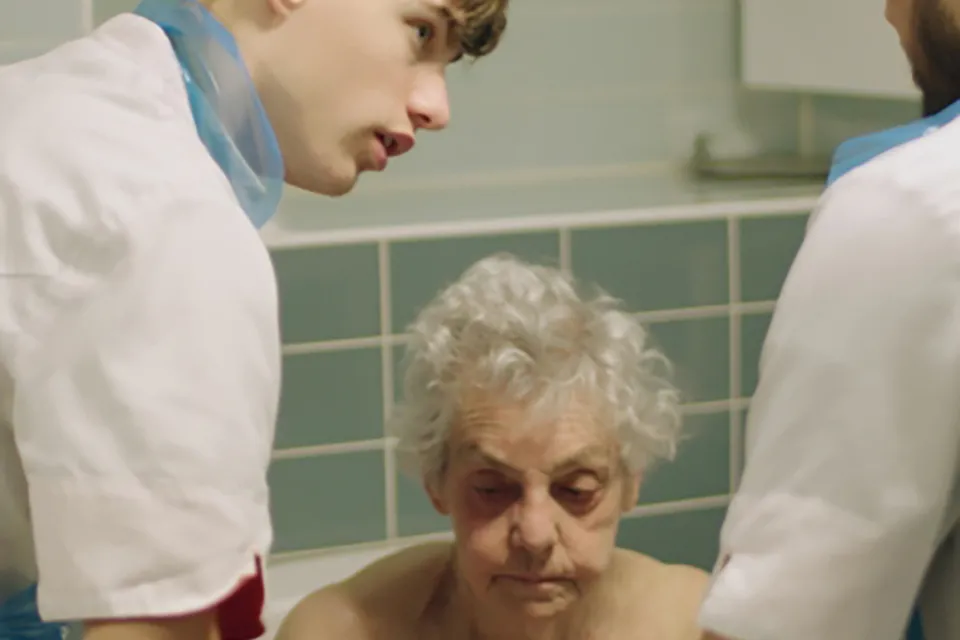
“Yes. In the public imagination, healthcare is often associated with hospitals, but in practice the vast majority of healthcare workers work elsewhere. We wanted to show the breadth of the profession: from care for older people to mental health services, from disability care to home care. That is precisely what makes this series so special. It has become a varied and human story. It is about caring, about closeness, about life and death, themes that affect everyone. This is the most important and most beautiful series I have ever had the opportunity to make.”
What similarities do you see with earlier docuseries, such as Dienders?
“Both series are coming-of-age stories: you follow young people who are on the verge of finding their place in the world. They come face to face with themselves and with the reality of the profession. But healthcare involves greater vulnerability. These students care for people who did not choose to be in that position. What struck me was how young many of the students are, some just 16, and how much responsibility they carry. They often work alongside their studies and care for a parent or child at home. One teacher said: ‘We don’t really know enough about our students’. This series shows how important it is to pay attention to their stories and how much they can cope with.”
What do you hope the series will achieve?
“Our mission goes beyond making a series. We have launched an impact campaign aimed at young people, schools, healthcare organisations and policymakers. We want to show how important it is not only to train young healthcare workers, but also to support them, practically, emotionally and financially. I hope the series raises awareness and gets a conversation started about fair placement allowances, workloads and the recognition healthcare workers deserve as a matter of course. Because if we lose these young people, we also lose the future of healthcare.”
Question about this story? Ask your question
Keep following this
Get an email when a new story is published. No account needed.
- SubjectGeneral







