











From Sick Care to Health Care: 10th Health & Care Day focuses on preventionFrom Sick Care to Health Care:
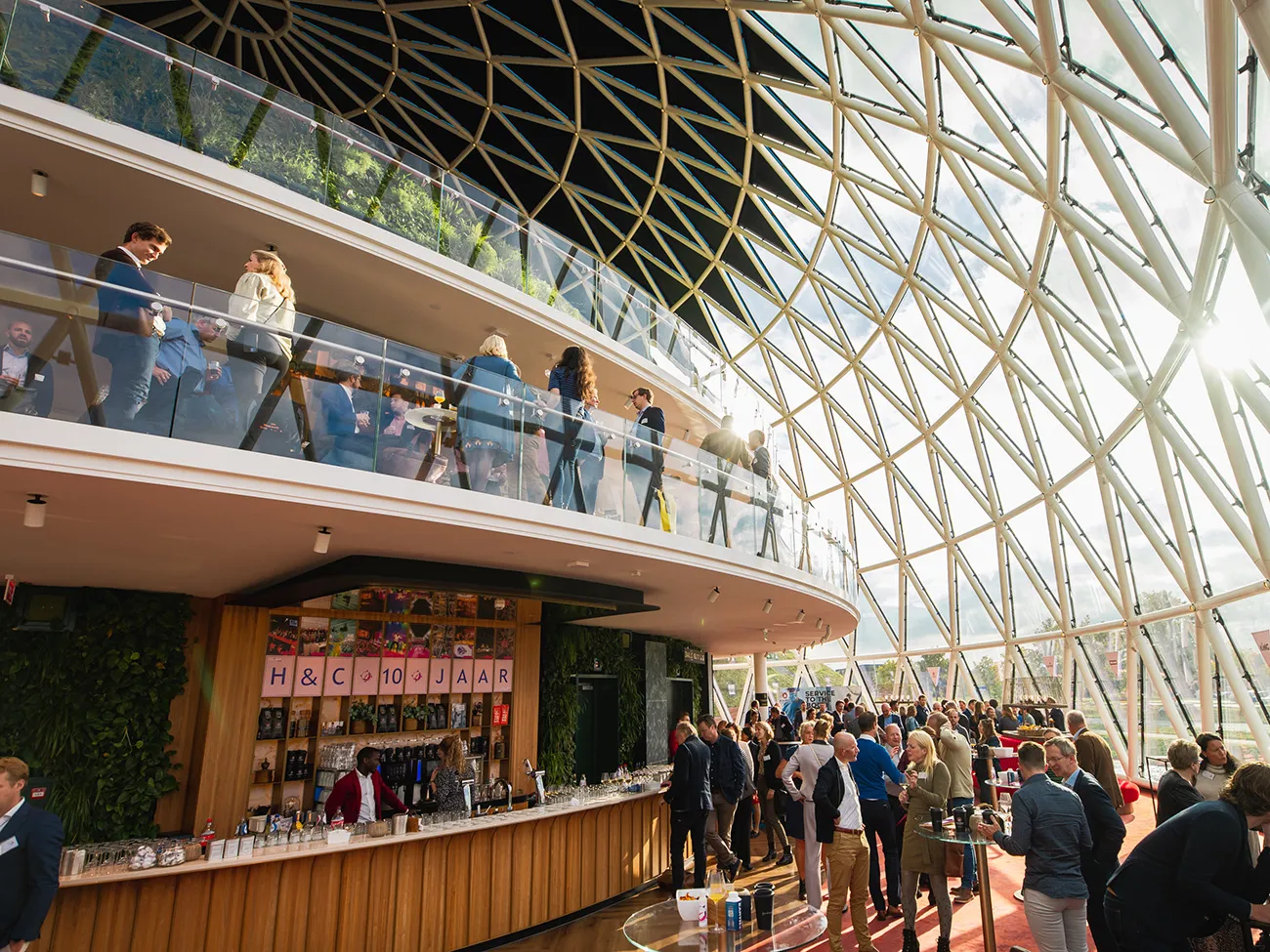
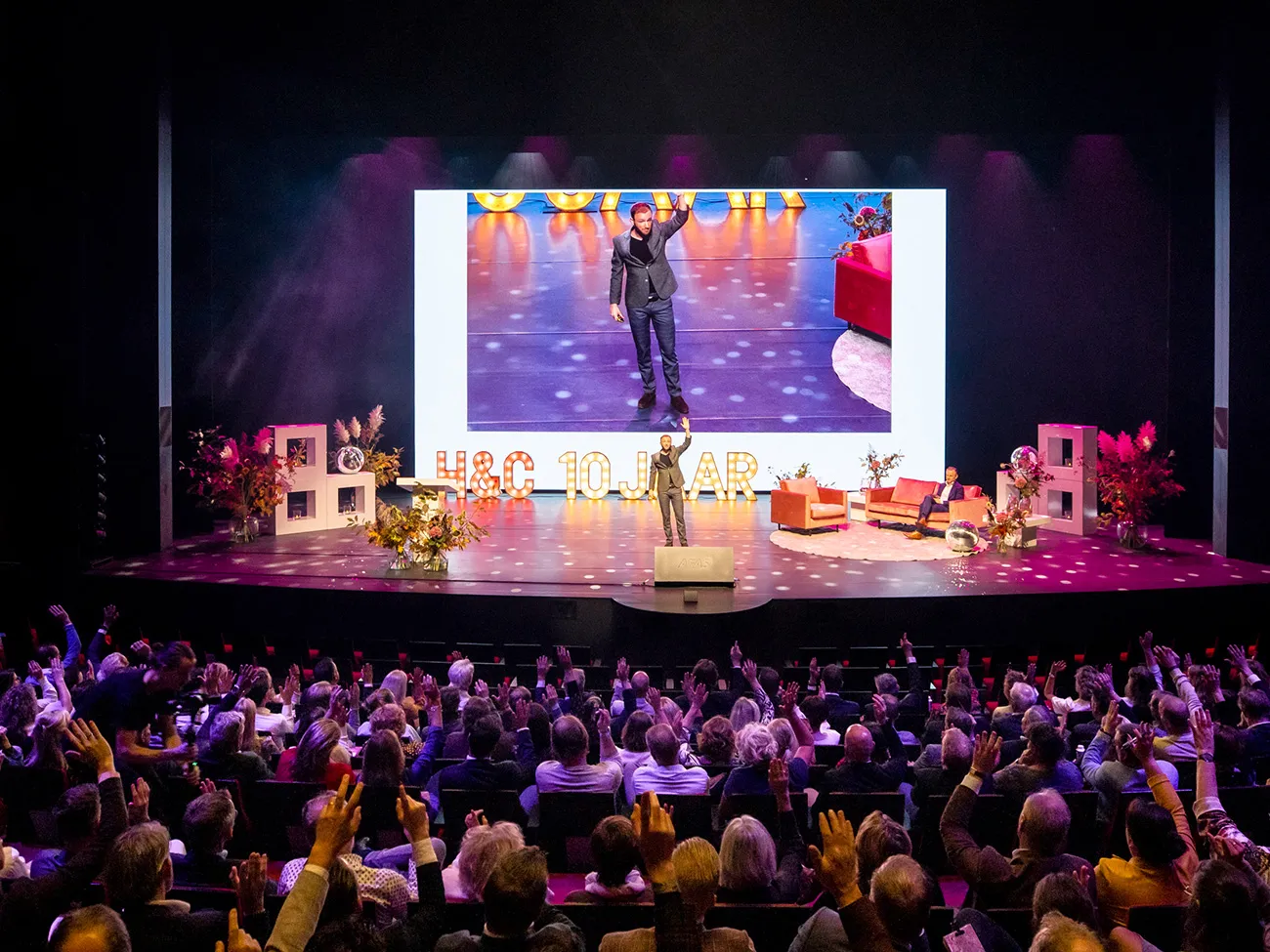
Is there too much doom and gloom in healthcare? There was little sign of it at the latest Health & Care Day organised by Zorgnetwerk Nederland in Leusden. Speakers such as Bas van der Veldt of host AFAS Software showed an enthusiasm rarely found in the sector. Structural problems were certainly not avoided, and the message was clear: preventing illness is essential to reducing the burden on the healthcare sector.
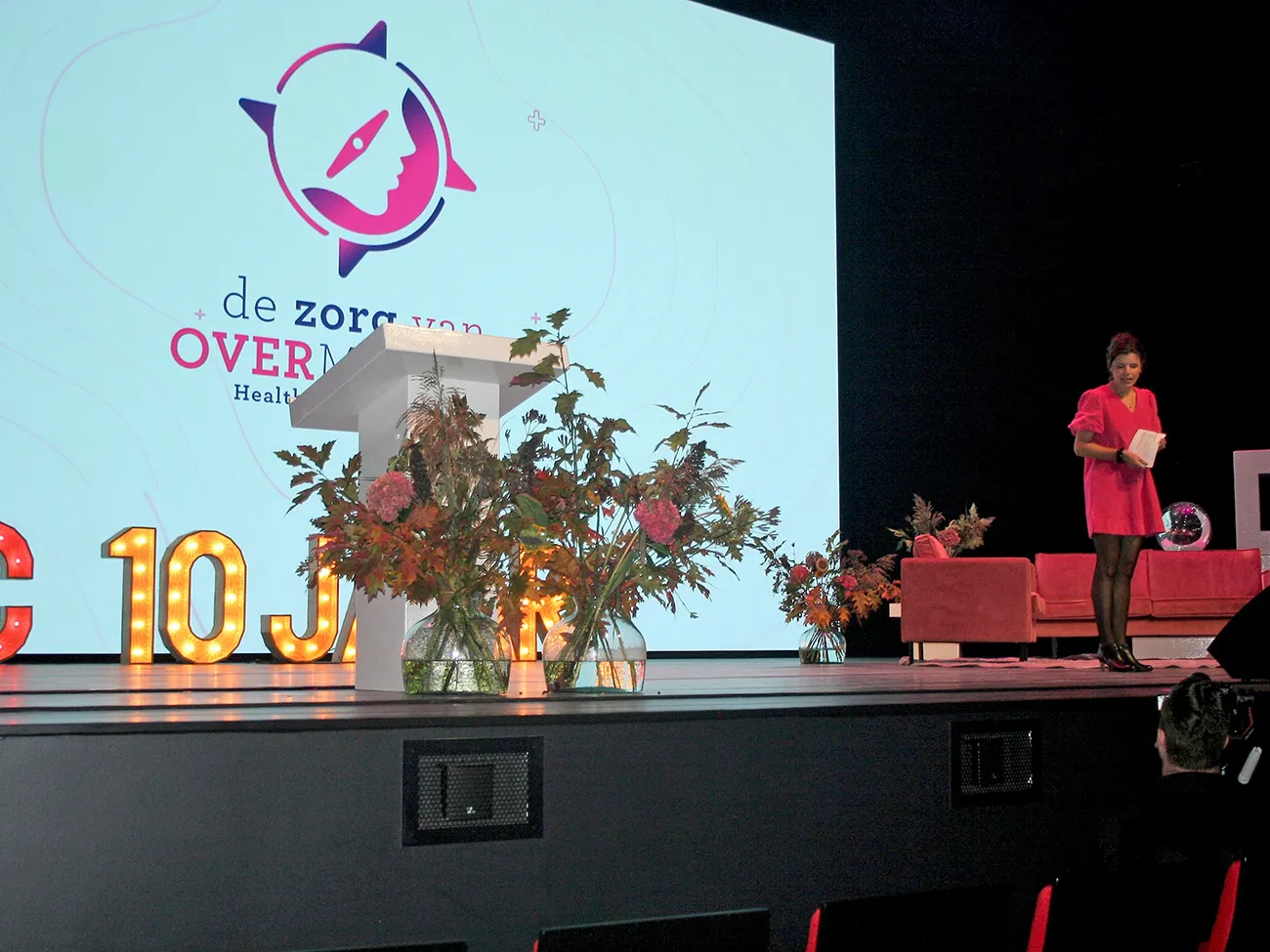
The speakers’ programme was built around Health Care, which is different from Sick Care, right? More on that later. Bas van der Veldt is CEO of a company that has been named one of the best or most inspiring employers several times, a title not easily won by hospitals and other healthcare organisations. How does AFAS do it? Van der Veldt first asked the audience what the biggest problems in healthcare were. Words such as ‘ageing population’ and ‘work pressure’ came up. ‘Too many women,’ Van der Veldt joked, before immediately adding that there are too many men in the ICT sector. The key at AFAS is ‘trust’ and ‘making work fun’. For example, expense claims under €100 are routinely approved without checks, and the software company has an app for reporting sickness and leave that congratulates men when they report a pregnancy, tongue firmly in cheek, of course.
‘Care is a fabric’
In healthcare, staff often feel undervalued, and making work fun is not so easy, says Correspondent journalist Lynn Berger. She wrote the book ‘Care, a better view of humanity’. As well as a series of interviews, the book explores the history of care as a concept, starting with caring for one another in everyday life. ‘Everyone needs care. Without care, children do not grow up, sick people do not get better and older people do not grow old. Care is where human civilisation began, and what keeps society running every day. Care is what makes us human.’
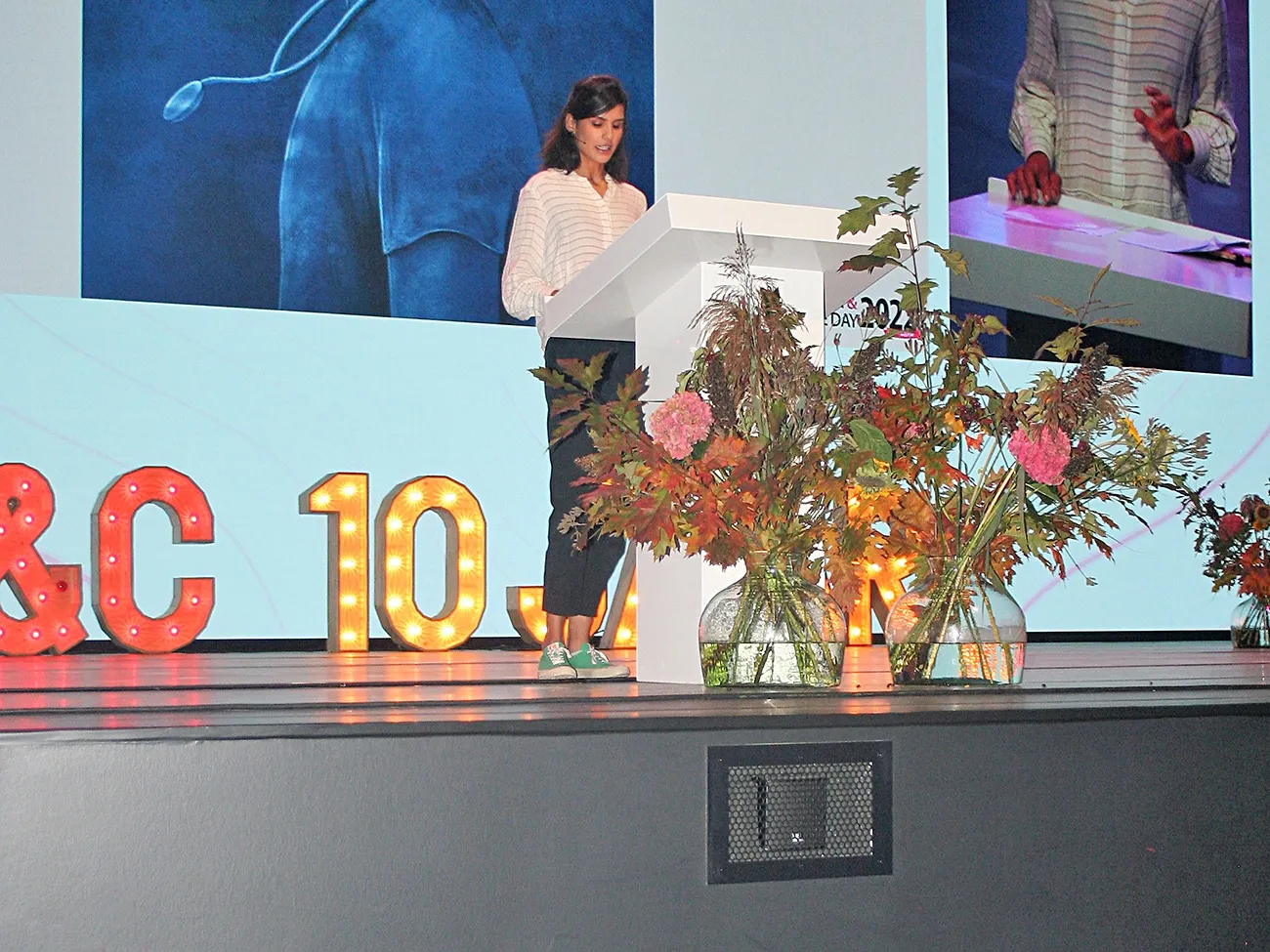
But if care is so important, why do we take such poor care of it? Berger points to the oft-cited fact that home care workers are often allowed to spend just 6 minutes with each client. “Care is a fabric and a scarce resource. To keep care ‘flowing’ in the long term, care providers need time and scope for autonomy, both professionals
and informal carers.”
Out of the box
Michel Scholte is co-founder of the True Price & Impact Institute. He works to make products more sustainable, including socially, such as Tony Chocolonely chocolate. Scholte helps entrepreneurs set ‘fair’ prices. Corporate social responsibility is particularly underestimated in the financial sector, because accountants are ‘illiterate’ in this area, Scholte says. A message not directly related to healthcare, but one that served as inspiration.
Just before the lunch break, it was time to look back at 10 years of Health & Care Day, a conference that favours out-of-the-box thinkers from outside the sector. Previous editions have featured Paralympic triathlete Marc Herremans, architect Thomas Rau and internist Diederik Gommers, among others. The day’s positive outlook was reinforced by a gospel choir.
‘Life expectancy is making the system top-heavy’
Georgette Fijneman, chair of the executive board at insurer Zilveren Kruis, advocates digitalisation and personal control to ensure healthcare remains accessible to everyone. “Staff shortages mean care needs to be provided close to home, and digitally wherever possible. Individual initiatives by organisations need to be scaled up in this area; we must not all reinvent the wheel.”
Marc Noppen is CEO of UZ Brussel. The day’s only international speaker delivered its most important message: we must move from Sick Care to Health Care. Noppen had a number of statistics to hand showing that rising life expectancy threatens to make healthcare top-heavy. “The average life expectancy in the year my grandfather was born, 1897, was 42. Now it has doubled.” Just 17% of that increase is thought to be due to better healthcare. Healthier living is the key, along with smart prevention. “In Belgium, the general hospital with 40 specialisms is no longer sustainable. I foresee a degree of decentralisation.”
‘Making money from illness’
Two sessions remained, including the classic motivational talk by Ben Tiggelaar (‘dream, dare, do’). We rounded off the day with a conversation between minister Ad van Nieuwpoort and pulmonologist Wanda de Kanter. By her own estimate, she has diagnosed around 10,000 patients with lung cancer and has been fighting the tobacco industry for several years. The message, that smoking kills 20,000 people a year, was repeated, and the conversation took the form of College Tour. De Kanter herself started smoking as a 12-year-old schoolgirl, was inspired to become a doctor in the Third World and now sees e-cigarettes on shop shelves without any legal restrictions. “We do not live in a democracy but in a lobbycracy,” she says of politics and business. “Given the huge impact of smoking on the healthcare sector, surely something has to change?” the interviewer countered. De Kanter’s answer was remarkable, to say the least. “In healthcare, people make money from illness.” So perhaps it is time to stop smoking, ideally with higher excise duties, De Kanter says. Prevention, then, and a move from Sick Care to Health Care.
Question about this story? Ask your question
Keep following this
Get an email when a new story is published. No account needed.
- SubjectGeneral







