Bouwen aan de Zorg is part of Louwers Mediagroep: 45+ specialist platforms in the Netherlands, Flanders and Wallonia. Trade magazines, websites, newsletters, video and podcasts, since 1987.
Maria Neema weighs as much as half a packet of sugar…
Albert Schweitzer Fonds and Radboudumc Amalia kinderziekenhuis support healthcare professional Milou van Ingen as she expands her neonatal intensive care unit in Tanzania
As small as half a packet of sugar
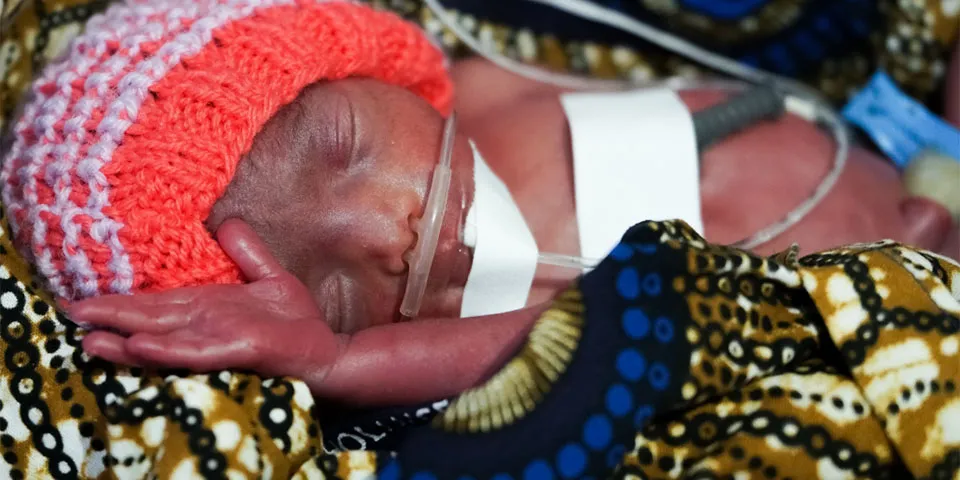
500 grams. The weight of half a packet of sugar. Arms like matchsticks. A head the size of a small orange. Her name is Maria Neema. She is delivered four months prematurely. If she is not delivered, she will die. Fragile and tiny, Maria Neema is brought into the neonatal intensive care unit at Sengerema Hospital in Tanzania, East Africa. The NICU staff are ready. Maria Neema’s heart pounds in her chest, while her underdeveloped lungs pump air rapidly and irregularly into her tiny body. Before long, a tube in her nose is supplying her with oxygen, and the wooden incubator is keeping her warm. After four months surrounded by the care and equipment she needs in the NICU, Maria Neema reaches the magical milestone of two kilograms. She can go home to her loving family and continue to grow there. But her mother still returns to the hospital every month, proudly showing off her Maria Neema.
Milou van Ingen’s passion
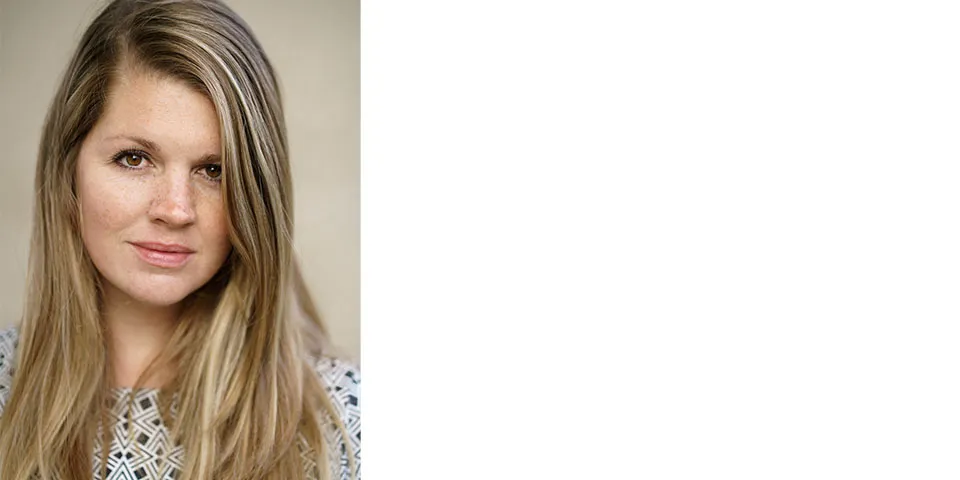
Milou van Ingen (31) is a physician assistant and works in the neonatal intensive care unit at Radboudumc Amalia kinderziekenhuis in Nijmegen. Five years ago, she was told about Sengerema Hospital in Tanzania. Faced with a high infant mortality rate, her colleagues wanted to set up a neonatal intensive care unit (NICU) there. Moved by this heartwarming and ambitious initiative, Milou first travelled to Sengerema in 2015, a place she now considers her second home. Together with her Tanzanian colleagues, she set up the first neonatal intensive care unit there within a few months. The result of her passion and love for life and care.
The intensive care unit for sick babies in Sengerema has now been open for five years. Infant mortality in the region has fallen significantly, by 40%. Milou: “It’s a result I’m proud of! The number of babies needing intensive care has now tripled. The unit is literally bursting at the seams. Usually, 3 babies share a cot, and doctors and nurses regularly have to decide which baby can receive oxygen and which cannot, because there are more sick babies than equipment. That’s why we urgently need to build a larger unit with more equipment. It’s the only way we can continue to provide adequate care for the 1500 seriously ill babies admitted here each year”.
Eén van de wachtruimten in het Liduina in Boxtel.
Help Milou
On 16 June, Milou and the Dutch Albert Schweitzer Fonds are launching the ‘NICU crowdfunding campaign’. Their aim is to raise the 8,000 euros needed within a month. The money will be invested in incubators, oxygen equipment, heart monitors, infusion needles and resuscitation training materials. This will enable healthcare staff to provide thousands of babies with adequate care for years to come.
Anyone who would like to help Milou can visit www.nasf.nl. 100% of donations will go towards setting up the neonatal intensive care unit in Tanzania.
Albert Schweitzer Health Pioneer
Frans Hiddema, chair of the Dutch Albert Schweitzer Fonds and a tropical medicine doctor himself: “We are delighted to name Milou our next Albert Schweitzer Health Pioneer.The Albert Schweitzer Fonds believes it is important to have more small, locally rooted initiatives that improve healthcare in Africa effectively and sustainably. That is why the Albert Schweitzer Fonds is keen to support Milou in her passion and help her raise funds. Our own financial resources are limited. We are doing our bit, but hope that many people will help Milou“
Milou: “In my perfect world, every child gets a good start in life. Babies born in developing countries should also be able to receive the medical care they need, and so have a chance to live”.
Before the neonatal intensive care unit was set up at Sengerema Hospital, infant mortality in Sengerema was as much as ten times higher than in the Netherlands. In 2018, 582 babies in the Netherlands died during their first year of life, most of them in the first few weeks after birth. In Tanzania, 40,000 newborn babies still die every year.
We use cookies to keep the site working properly. With your consent, we also use cookies for statistics and third-party banners. Read more in our privacy and cookie statement.