











‘Reducing energy costs is more necessary than ever given price trends’
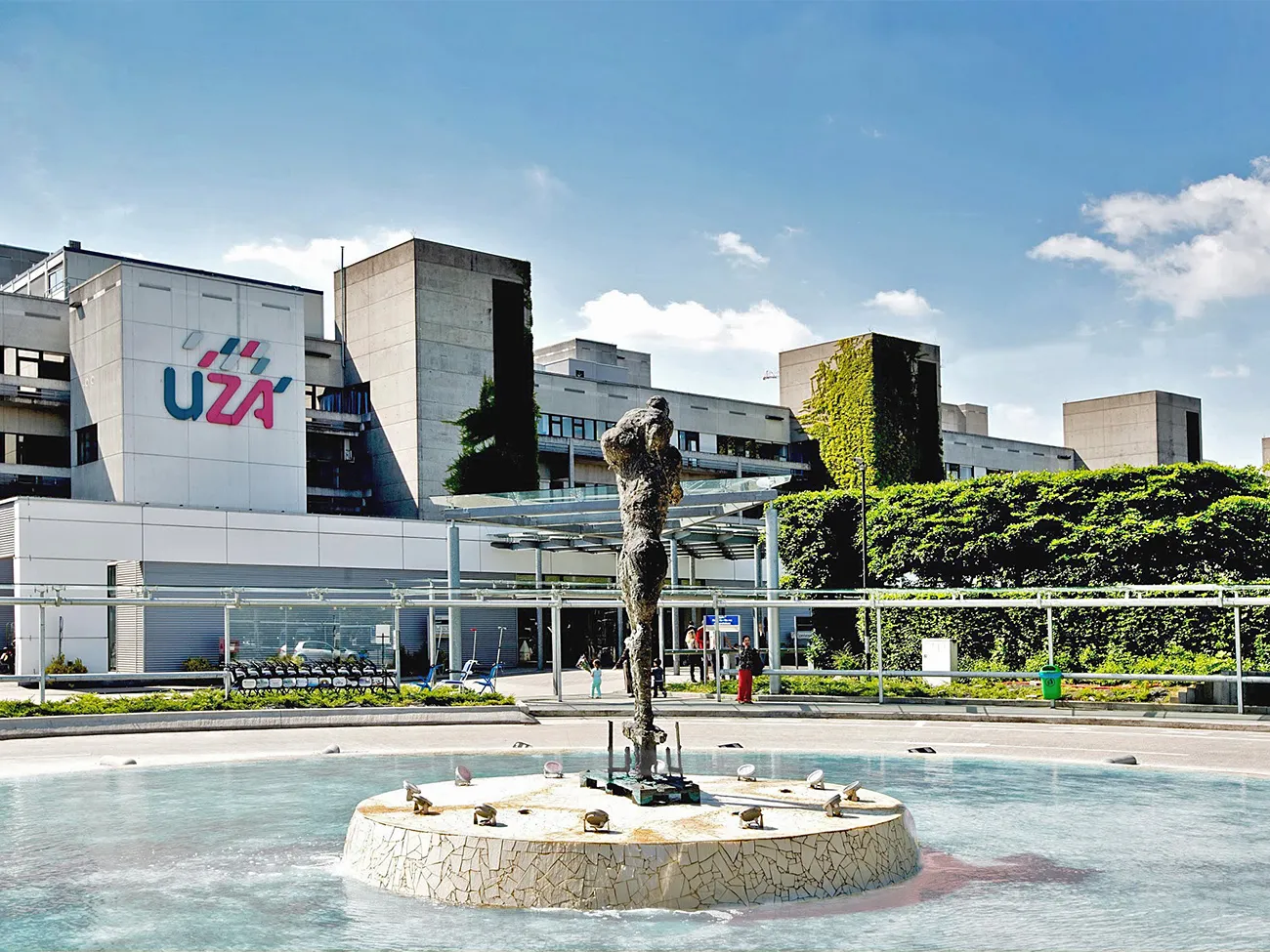
Pressure from the Green Deal to make the building stock more sustainable is only increasing. Hysopt is seeing this first-hand and has the tools to help buildings, particularly those belonging to healthcare institutions, take steps towards 2030. The focus is on reducing energy costs and CO2 emissions.
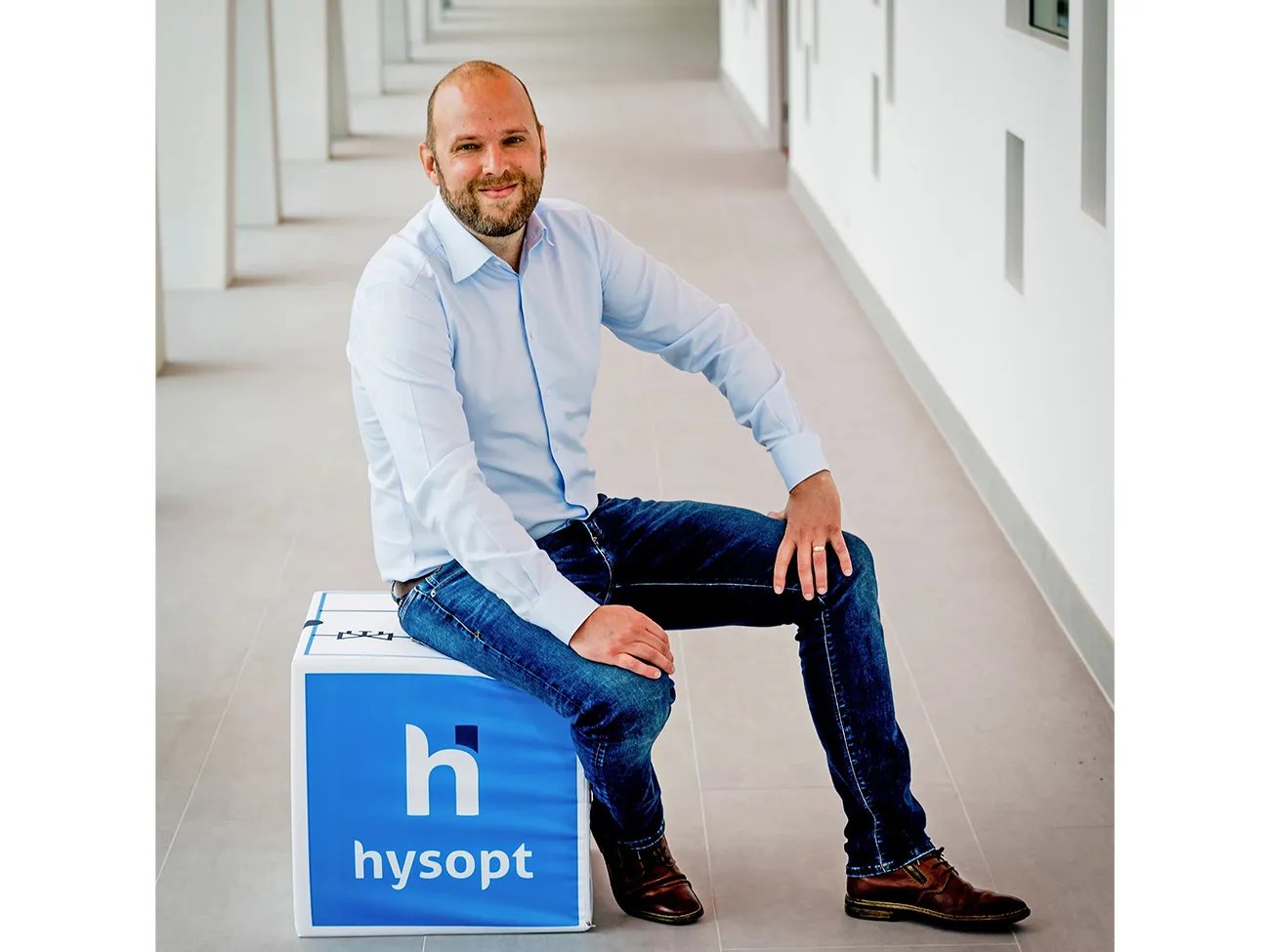
“There are two options,” says Roel Vandenbulcke, CEO and founder of Hysopt. “You insulate the building envelope and/or optimise the systems.” He knows that the former option often entails a host of practical implications and enormous investment costs for existing buildings. “In practice, that often means nothing gets done. The step is simply too big…” The second option, which involves upgrading heating and cooling systems, is much more accessible. This is borne out by numerous successful case studies, where significant progress has been made in reducing CO2 emissions while also cutting energy costs.
Making systems more sustainable
Vandenbulcke has found that healthcare institutions can often make quick and effective progress on sustainability at system level, partly because of their high energy consumption. “Optimising building services systems often requires less investment, provided it is done properly. We focus on engineering the entire system. Simply ‘cutting out’ a boiler and replacing it with a heat pump is definitely not the way to do it. A more holistic approach is needed, one in which all system components are aligned and can work together optimally.” Vandenbulcke attributes the frequent mistakes made by companies and institutions in this area to a lack of understanding of the complex, dynamic behaviour of such systems. “They usually take ad hoc measures, but the hoped-for results fail to materialise, or the system performs even worse than before.”
Virtual environment
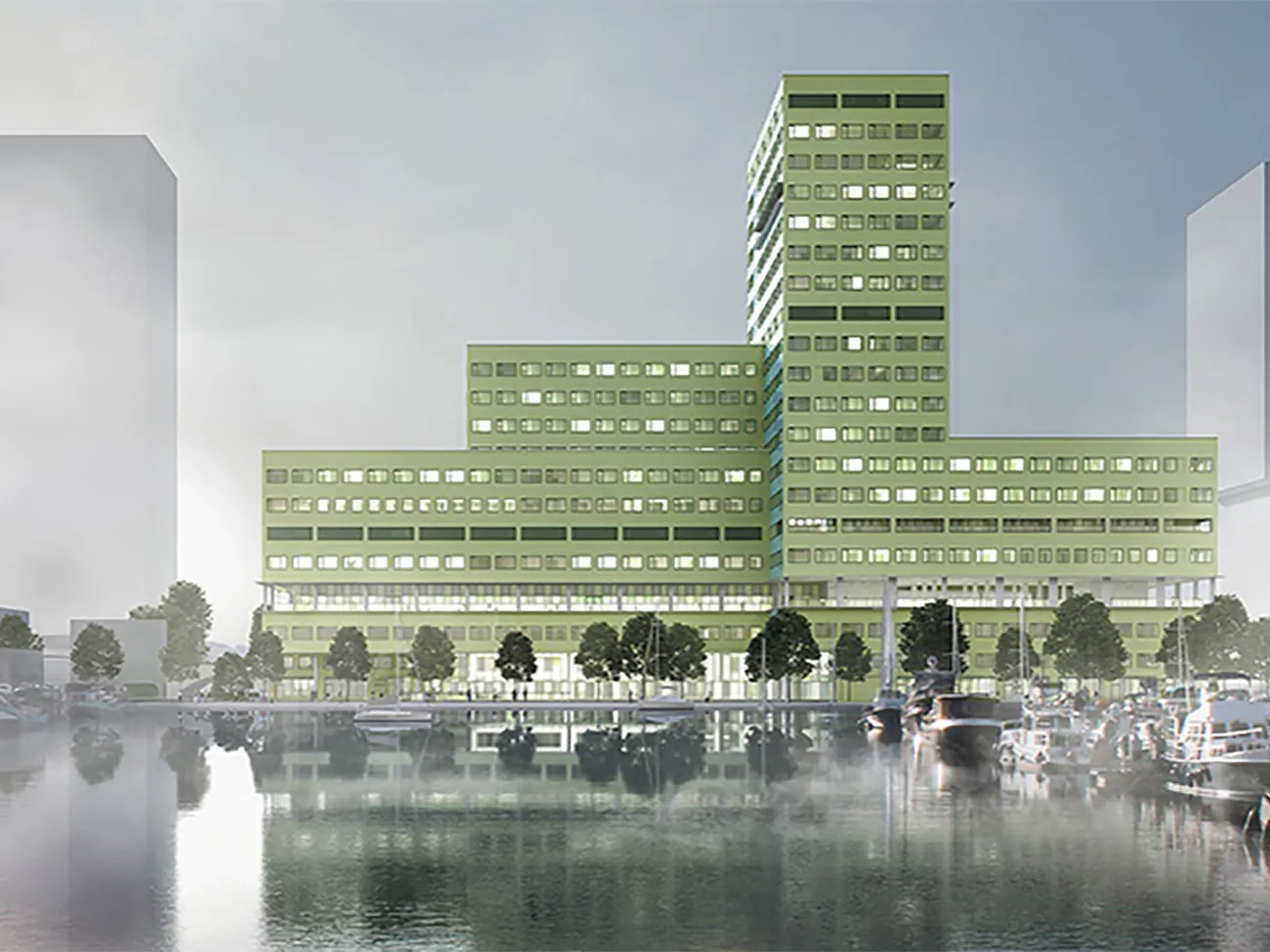
It is clear that ‘cut-and-paste’ is not part of Hysopt’s vocabulary. The company’s seasoned engineers use Hysopt software to create a virtual environment in which system designs can be optimised. “We meticulously recreate the energy flows in a building. We understand, analyse and simulate them. First, we optimise in a digital environment. That is where all the irregularities come to light. We use this data to compare alternatives and make recommendations. The aim is always to show the impact of modifications and investments.” The impact is significant, it seems. Vandenbulcke knows from experience that a 40 per cent reduction in CO2 is achievable. Naturally, reducing energy costs is also central. And it is essential, as the news about rising gas prices has been mounting in the media both before and after the conversation with Vandenbulcke. Clients can, of course, also use the digital models to plan for the future. “For system maintenance or expansion. Clients can quickly see where maintenance is needed and how efficiently an expansion can be carried out.”
At Hysopt, 28 employees are working towards a sustainable future for healthcare institutions, government, education and businesses. Its office is based in Antwerp, and it operates in Belgium, the Netherlands and Great Britain.
Question about this story? Ask your question
Keep following this
Get an email when a new story is published. No account needed.
- SubjectGeneral







