











Stichting Nederlandse Triage Standaard (NTS) develops triage standard for elderly care and disability care: a necessary step towards appropriate care for a growing, vulnerable population.
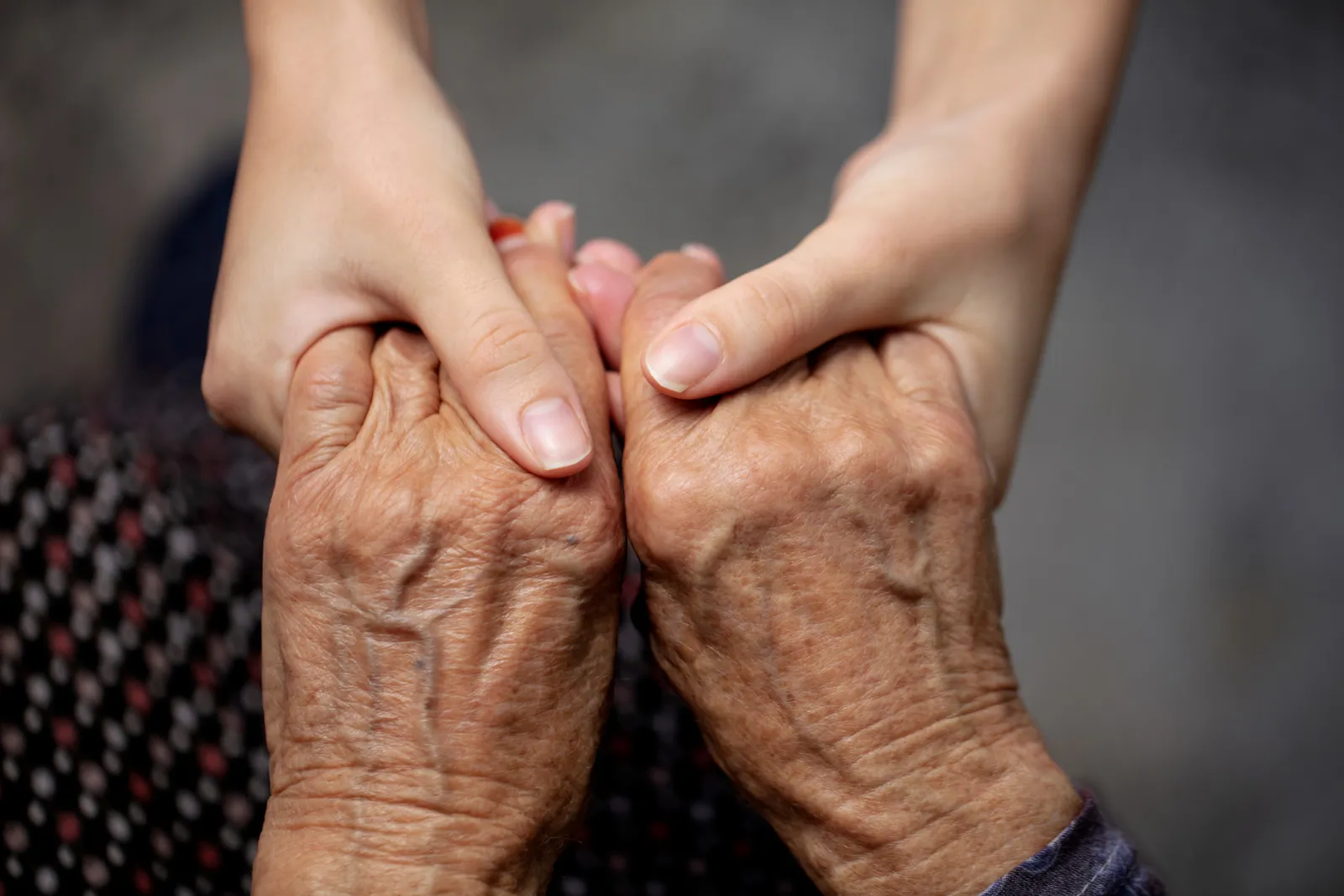
Pressure on healthcare is rising sharply. The number of people aged 75 and over is set to double by 2050, while the number of healthcare professionals is falling. Yet older people and people with disabilities still regularly end up in the emergency department (ED), even though their care needs could have been better addressed elsewhere. The reason: until now, there has been no uniform triage standard for these groups. That is now changing.
‘It is urgent that we extend our standard to cover these groups.’ Bart van der Geest, managing director, Stichting NTS
Stichting Nederlandse Triage Standaard (NTS) is launching a pilot to develop a new triage standard specifically for elderly care and disability care. This extension builds on the existing NTS standard, which has been the norm in acute care since 2005. For the first time, it will provide an appropriate triage standard for people receiving long-term care. The new triage standards, NTS GZ (disability care) and NTS V&V (nursing and care), are intended for people linked to a care institution, receiving home care, or living in an assisted living facility or nursing home. Triage also takes place in these care settings, but is not always appropriate, because a standard for all ages is used. This leads to inefficiency and unnecessary escalation, such as over- or under-treatment.
‘Specific groups need specific care, and that starts with triage.’ Tessa Postuma, chair of the editorial board, Stichting NTS
Tailored triage for vulnerable groups
Until now, there has been no standard, partly because care needs in these sectors are more complex. Communication works differently, treatment agreements vary, and some symptoms present differently in older people or people with disabilities. That is precisely why it is important to develop triage tools tailored to the realities of these groups. The standard is being developed in close collaboration with a team of experts, including specialists in elderly care medicine, physicians for people with intellectual disabilities, GPs, emergency physicians, nurses and care institutions.
‘It works both ways: some conditions present more severely in older people, while others present less severely. Triage needs to recognise that nuance.’ Jet Wiechers, managing director, Novicare
What does this mean in practice for clients, healthcare professionals and the care chain?
For clients and their loved ones:
- Clear answers sooner
- Appropriate care, at the right time and in the right place
For healthcare professionals:
- Professional, consistent assessment of urgency
- Fewer unnecessary referrals
For the care chain:
- Consistent terminology and ways of working
- Greater calm and clarity, less fragmentation
‘With this pilot, Stichting NTS is taking an important step towards appropriate, efficient and future-proof care, care that starts with clear triage, including for older people and people with disabilities.’ Alja Sluiter, medical director, Stichting NTS
Question about this story? Ask your question
Keep following this
Get an email when a new story is published. No account needed.
- SubjectGeneral







