University Psychiatric Centre KU Leuven. Towards an open, welcoming future
Text Koen MortelmansImage UPC KU Leuven
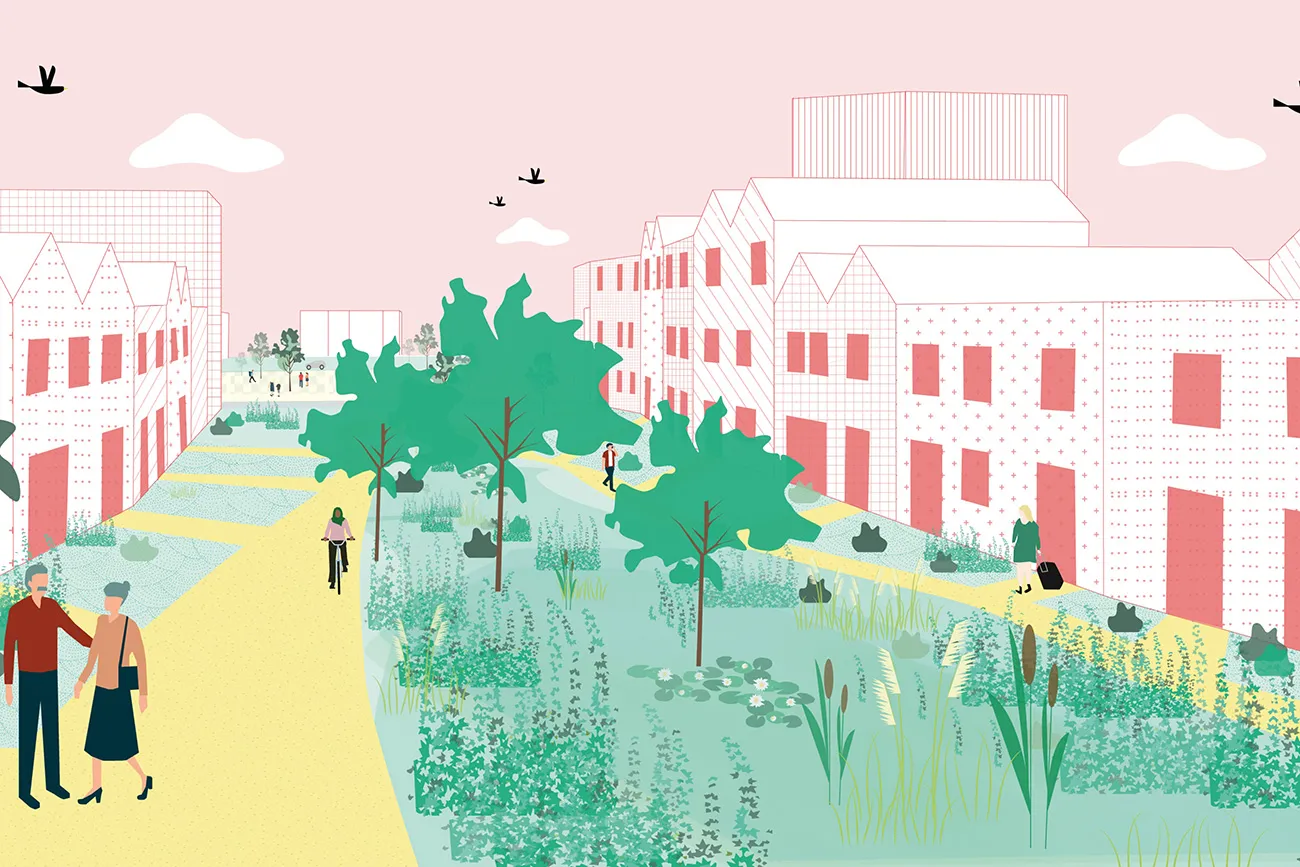
The University Psychiatric Centre KU Leuven (UPC KU Leuven) has unveiled an ambitious masterplan to redevelop its historic hospital site in Kortenberg. The campus is in need of a major overhaul.
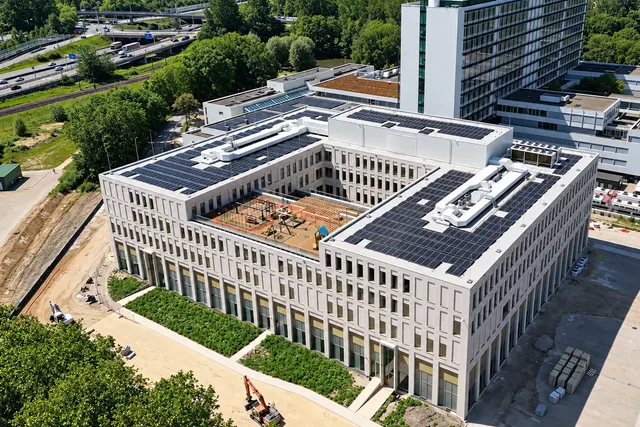
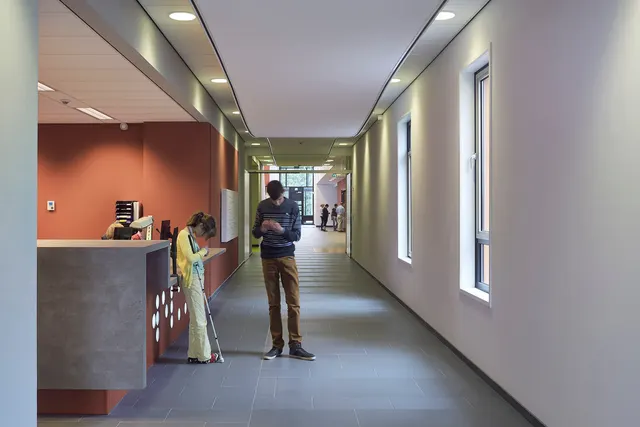
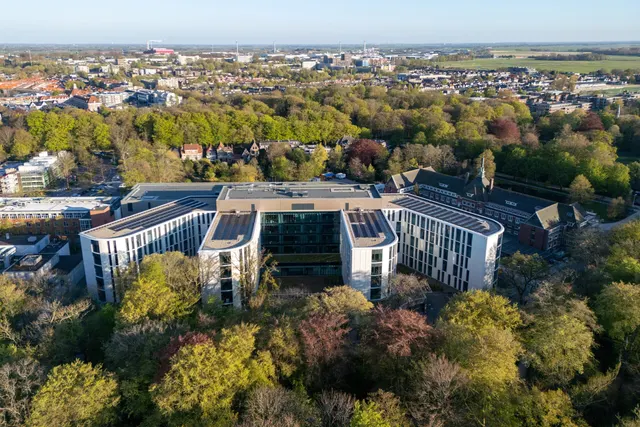
Kortenberg is a municipality halfway between Brussels and Leuven. The campus was founded in 1850 by the religious order Sisters of Charity of Jesus. Over the years, it developed into its current form, a series of predominantly low-rise pavilions, most of which date from before 1985. The result was long, dark corridors, which are no longer considered practical. The campus has also evolved from a psychiatric institution into a university psychiatric centre committed to high-quality, innovative care, applied clinical research and training professionals in mental health. The number of beds has already fallen from 502 to 389 over the past seven years and will be further reduced to 350 in the new buildings.
“Social and policy developments in mental health care call for innovative and decisive solutions,” says Mark Waer, chair of Z.org KU Leuven, the umbrella organisation for KU Leuven and its various care partners. “To address these developments, UPC KU Leuven has developed a campus plan in dialogue with all sections of the hospital, paving the way for the psychiatric hospital of the future.”
An open-access place
The plan is based on several principles, including creating an open, lively and attractive place that fosters social connections and interaction with local residents. Flexibility, modularity and the ability to use the infrastructure for multiple purposes are also key principles. The project requires an investment of around 250 million. The work will be carried out in phases over fifteen years, so that patients do not have to move repeatedly.
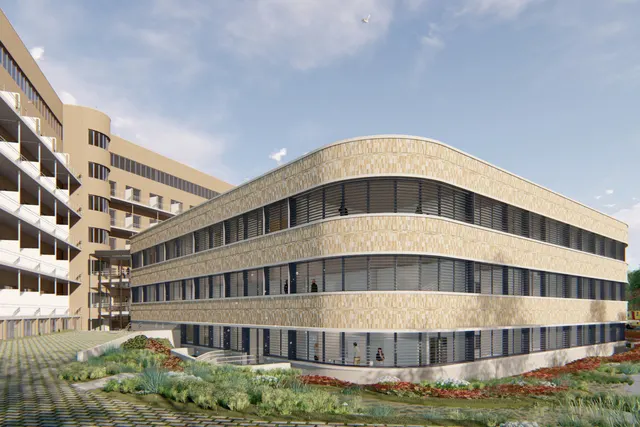
The transformation is intended to help patients move more quickly into a ‘normal’ environment. With the exception of the monastery, chapel and barn, most of the old buildings will therefore be demolished and replaced by so-called care homes along three care streets. The size of the patient groups will be limited to a maximum of eight people, creating a much more homely atmosphere. Each care street will have its own gardens, giving the campus more the appearance of a residential neighbourhood. The heritage buildings that are retained will be given a public function. They could, for example, house a restaurant or a rehearsal room for music societies. “The masterplan is the result of a thorough assessment of the current care infrastructure and an intensive dialogue with all stakeholders,” says Tine Van Herck of PTArchitecten in Sint-Jans-Molenbeek. “We developed it in consultation with the Flemish Government Architect.”
Not a prescriptive roadmap
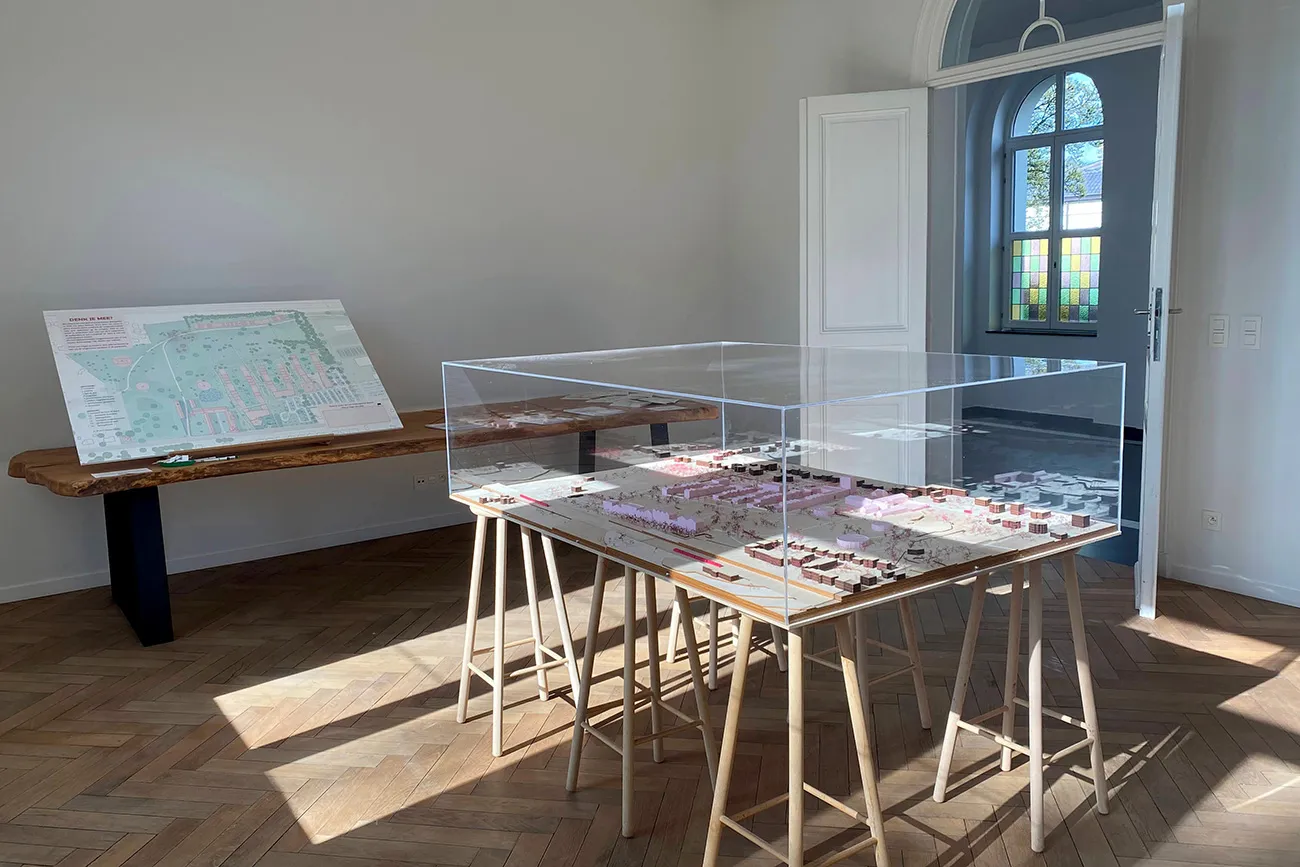
“The masterplan serves as a guiding framework, a vision of how we want to organise our infrastructure,” explains Bart De Greef, financial and logistics director at UPC KU Leuven. “It is not a strict, prescriptive roadmap, but rather a strategy against which we can assess specific construction projects. We aim to fulfil our role as a care innovator and set high standards for energy efficiency, materials and space use, modularity and the ability to use spaces for multiple purposes. The masterplan is also a call for all those involved to participate and help shape the care campus together.”
Challenges
“The care sector faces challenges,” stresses Wim Tambeur, managing director of UPC KU Leuven. He cites the further shift towards community-based care and the intensification of the remaining residential care. “This calls for adapted infrastructure. What matters is not just how the buildings look, but above all how they can support the needs, challenges and ambitions of care provision.”
Benefits for the whole municipality
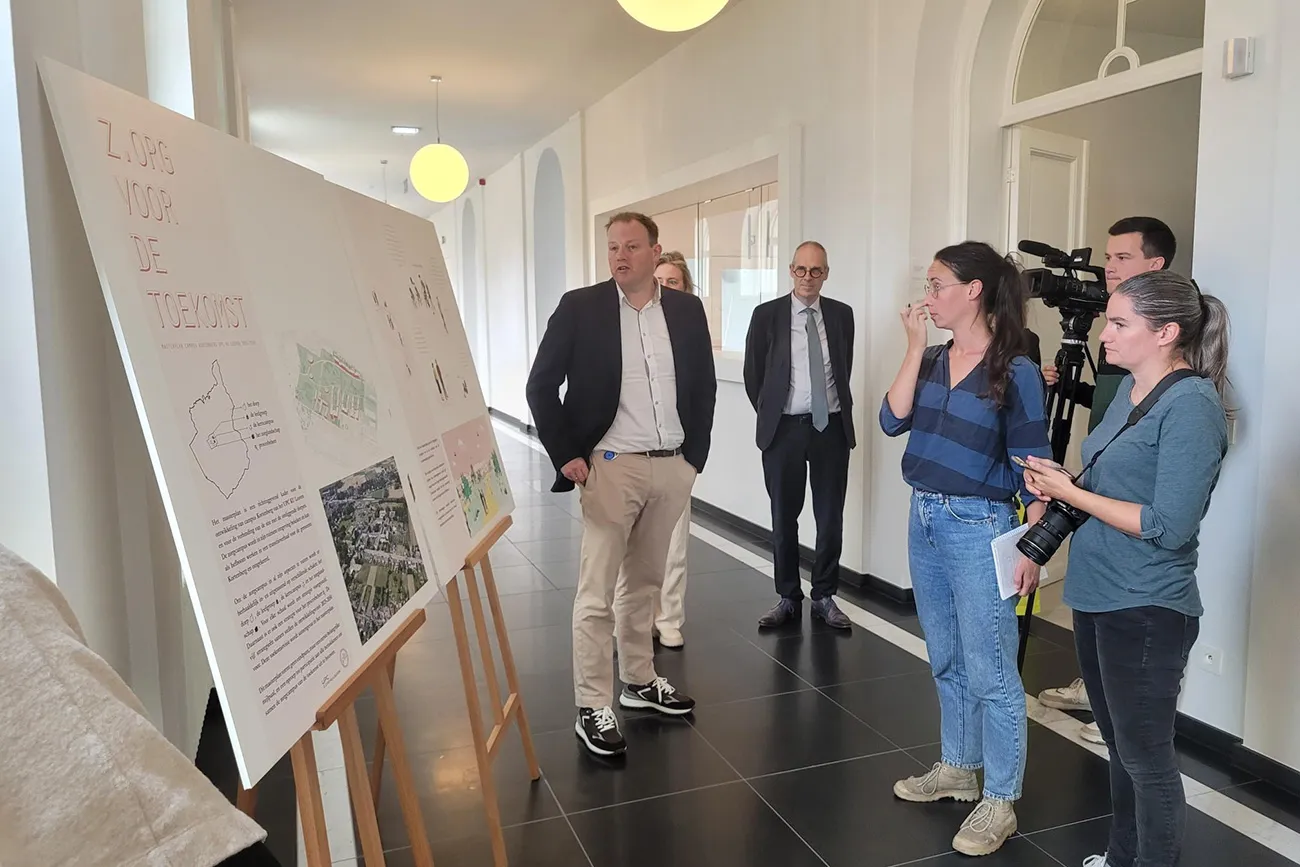
The masterplan was presented in the former monastery building, with Kortenberg mayor Alexandra Thienpont also in attendance. Flemish Minister for Welfare, Public Health and Family Hilde Crevits sent a video message. Mayor Thienpont referred to the municipality’s long-standing ties with UPC, dating back to when it was still called Maison de Santé Saint-Joseph. “We look forward to this major investment, which could provide Kortenberg with a green lung, improve access to the station and surrounding municipality, and allow us to explore how we can achieve economies of scale through shared infrastructure.”
Question about this story? Ask your question
Keep following this
Get an email when a new story is published. No account needed.
- SubjectHospitals