Residential care & nursing homes
Care living with a vision: how OLEA puts care needs first
Text José Mulder Beeld OLEA Bouwen met zorg
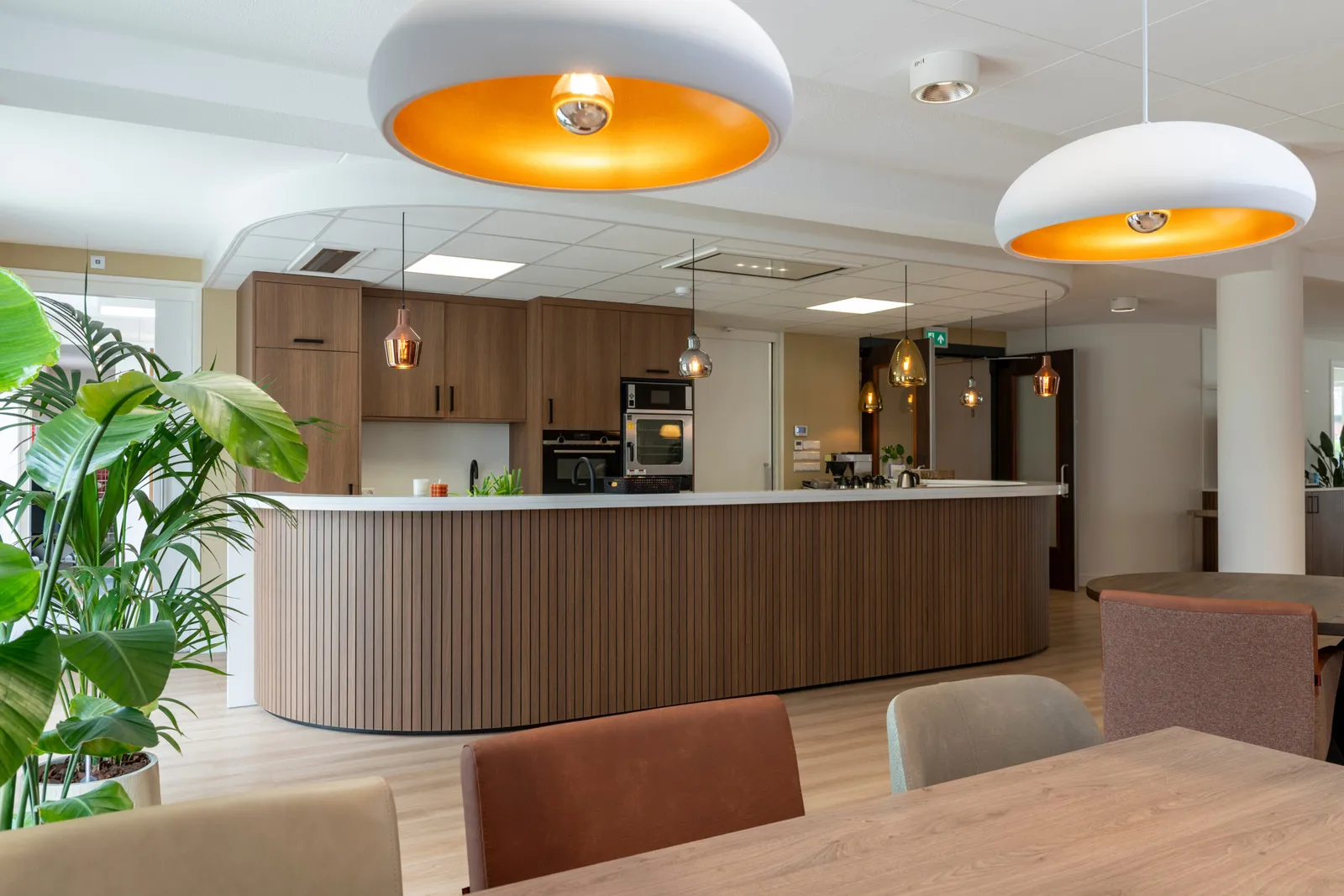
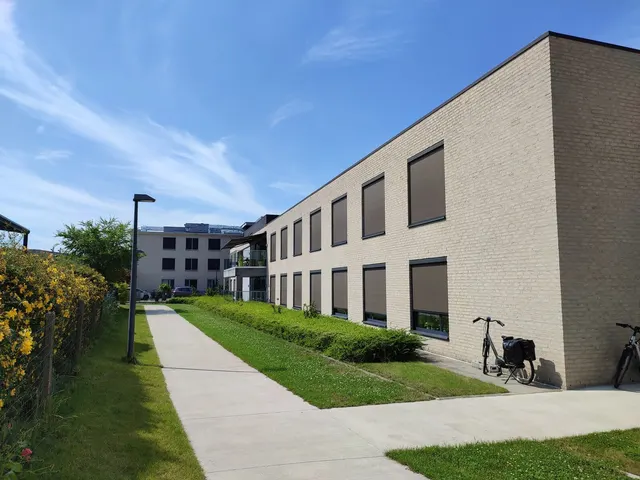
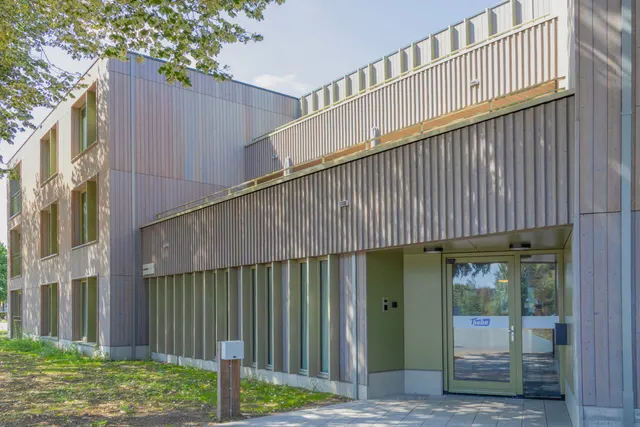
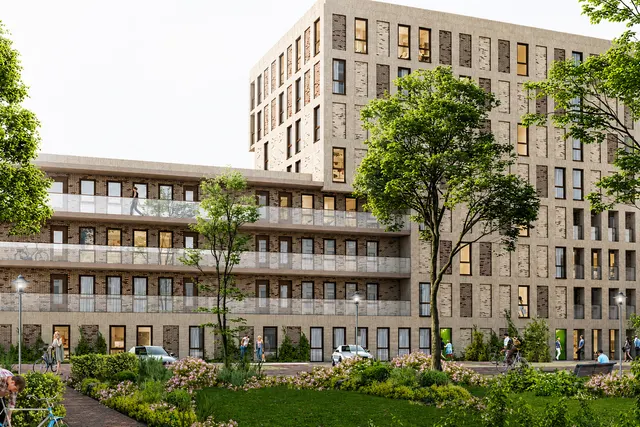
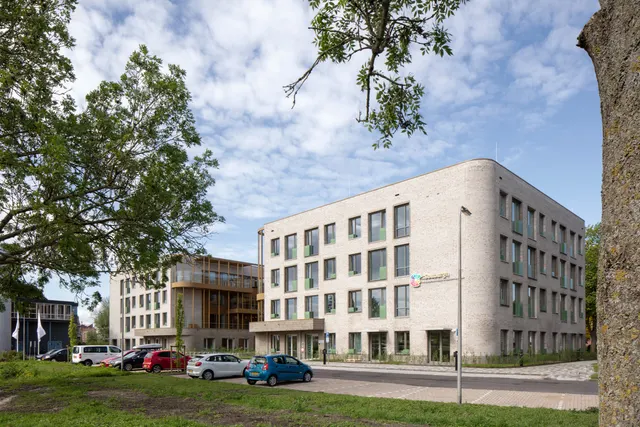
In May 2025, Saamborgh opened the doors of its brand-new care home, ’t Nieuwland, in the De Riet district of Almelo. It is a special place where older people can live independently, with the reassurance of 24-hour care on hand. OLEA Bouwen met Zorg is the driving force behind the project. Not just a developer, but a company with care at its heart.
OLEA Bouwen met Zorg has extensive experience in building and developing care homes. As a project management office, it focuses first and foremost on care needs. “A care project is about more than simply delivering a functional building. Our first question is always: ‘What do residents and care staff need? And how do you translate the core care process or a client’s disability into a building, its interior or a maintenance plan?’” explains OLEA director and owner Chris Derksen. This clearly sets OLEA apart from a traditional developer, contractor or architectural practice. The company brings its expertise as a care specialist to the table, connecting technical solutions with human needs.
Designed for a broad range of residents
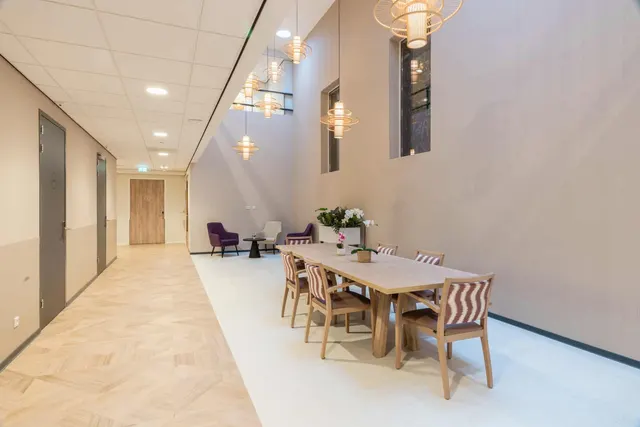
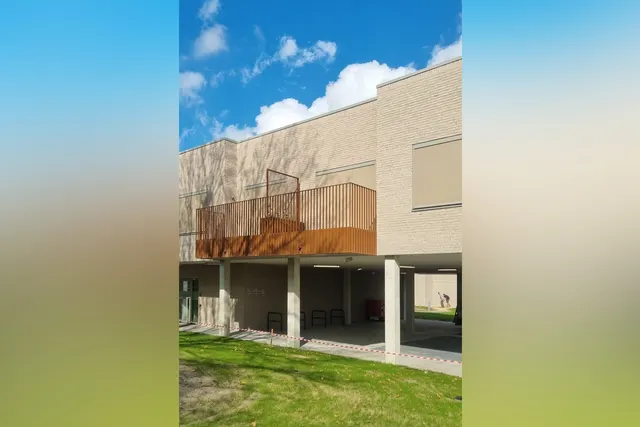
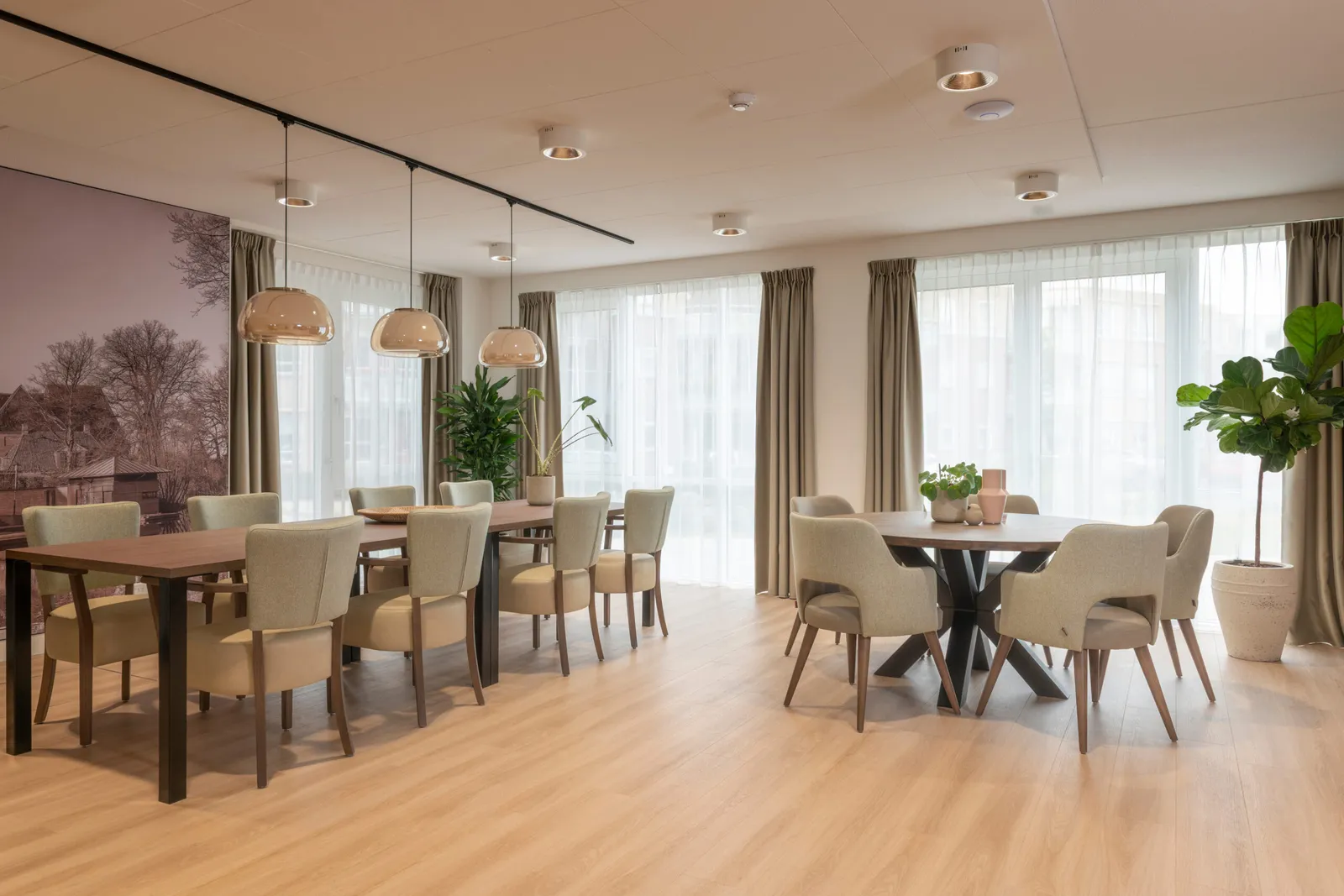
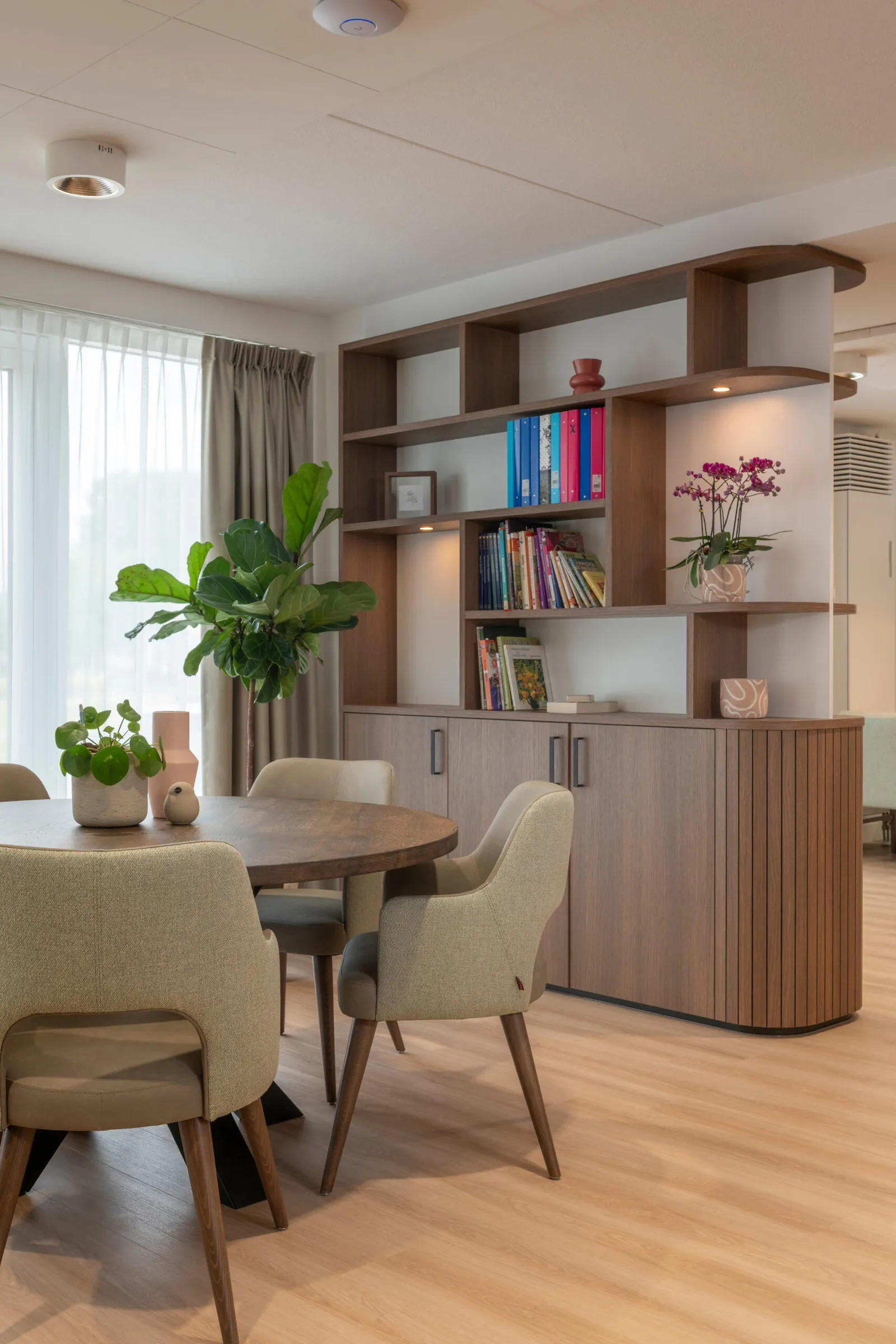
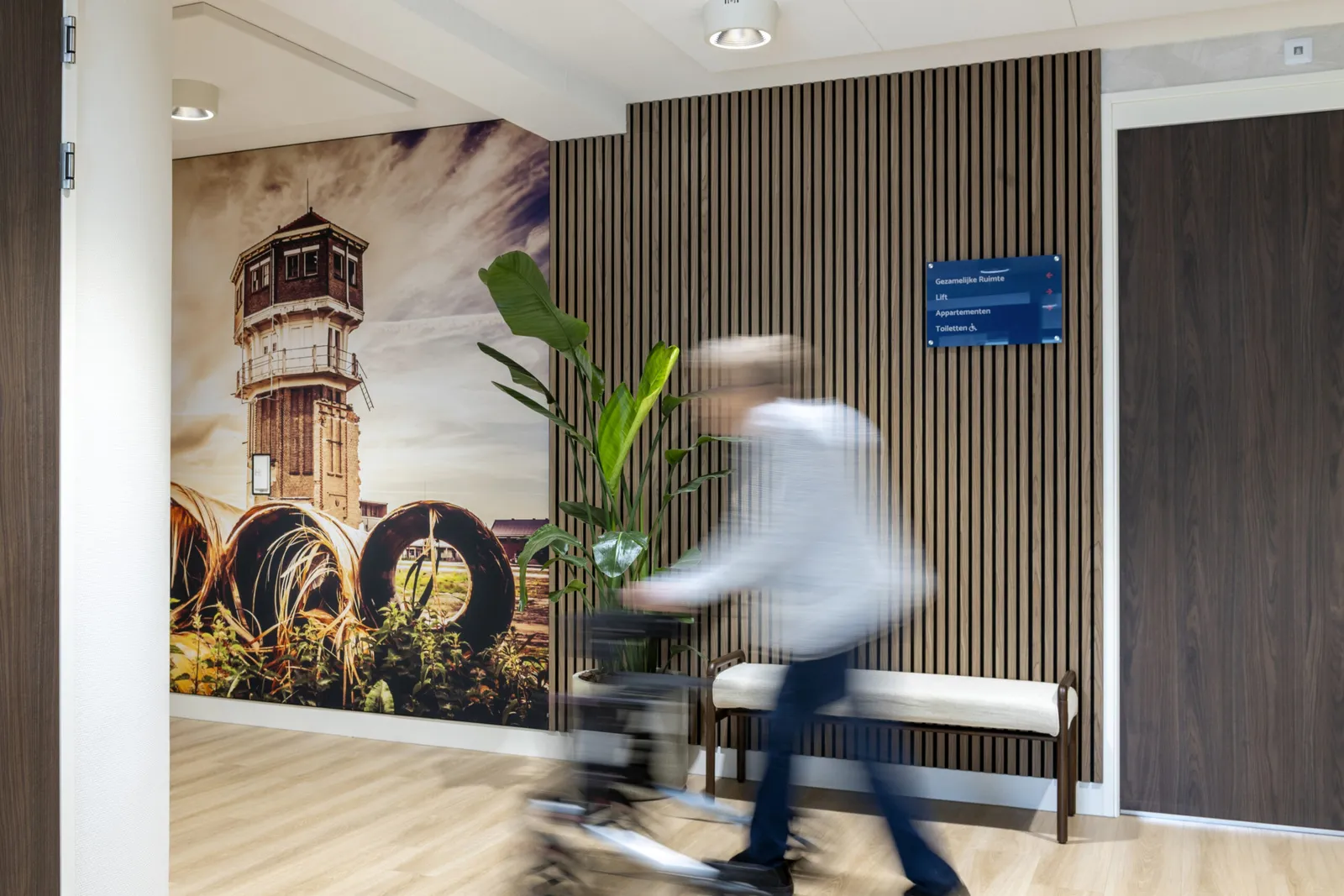
Care home ’t Nieuwland has 42 studios and apartments. The ground floor has compact care studios, while the second floor features two-room homes with their own bathrooms and kitchenettes. The top floor offers spacious two-room apartments with their own bathrooms and fully fitted kitchens. The design therefore caters for a broad range of residents with different care needs, from older people living independently to couples. Residents can also move to another home within the building if their care needs increase. This makes the building flexible and future-proof. With its carefully considered layout, retained greenery and homely interiors, the care home has a calm, comfortable and welcoming atmosphere.
OLEA’s approach helps prevent unpleasant surprises down the line, when things turn out not to work as well in practice as expected. Derksen says: “We always demonstrate the added value we bring. Beforehand, we think not only about seemingly minor details, such as where to position a lamp so that a care worker does not have to work in their own shadow, but also about wider policy issues, such as the impact of separating housing and care on maintenance in an organisation providing the full package at home (VPT). This allows us to save staff hours in advance and keep the available care staff at the bedside. It would be a waste to have to make changes later. It saves time and money.”
Energy supply and grid congestion
The biggest challenge in this project proved to be resolving technical issues around energy supply and grid congestion. Restrictions on feeding electricity back into the grid meant that hybrid solutions had to be considered. “We modelled various scenarios and ultimately opted for a smart combination of solar panels, gas to meet peak demand and intelligent energy management. That keeps the system sustainable and reliable.”
Derksen is proud of the result of this collaboration. And it has proved successful: the homes were fully occupied within a short time and are popular in the neighbourhood. Derksen believes this is because residents and their needs were put first. It is an approach OLEA applies every day across a range of projects in other market segments. “We are increasingly building new homes or adapting existing ones to meet the complex needs of people with acquired brain injury (NAH). Here, too, we always start with the person, not the bricks and mortar,” he explains. “Care property is not simply a sum of walls and floor space. It is about people, and that is exactly where OLEA makes a difference.”
Question about this story? Ask your question
Keep following this
Get an email when a new story is published. No account needed.
- ThemeFuture-proofing healthcare estates
- SubjectResidential care & nursing homes