Residential care & nursing homes
Living and quality of life at the heart of a modern care home
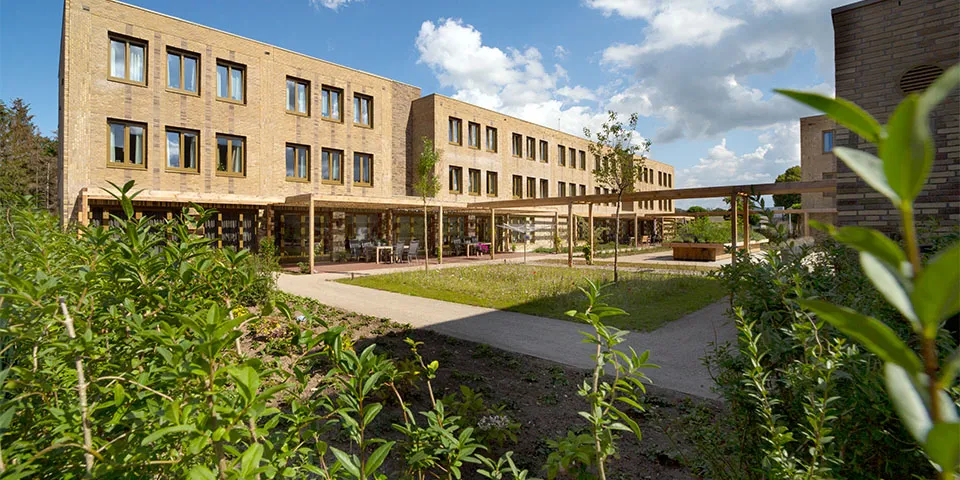
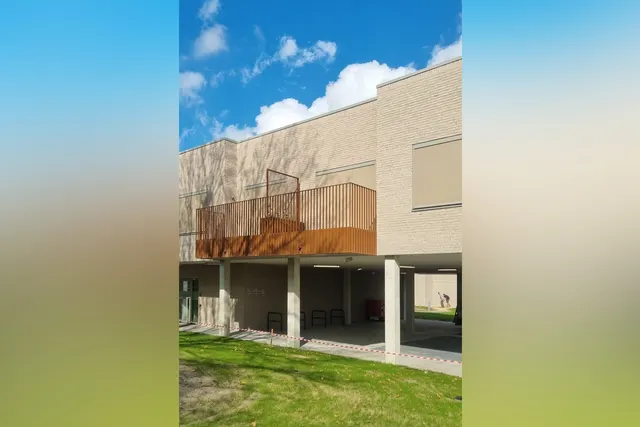
A homely setting is the best way to help older people with dementia feel comfortable. Living downstairs, sleeping upstairs, just like in a terraced house. In the heart of an ordinary residential neighbourhood, where families with children live and where there is also space for vegetable gardens and an animal enclosure.
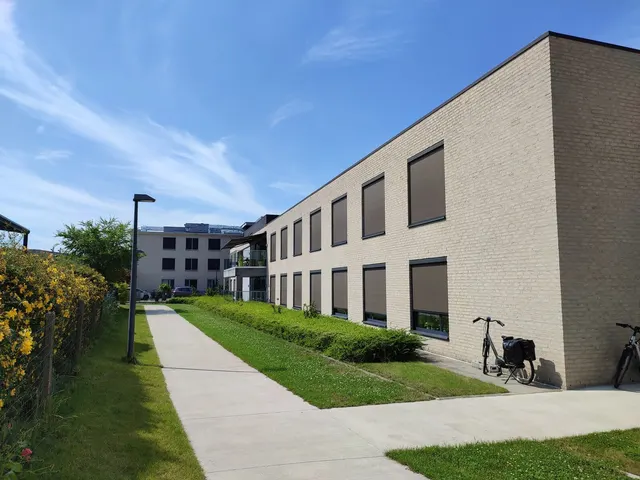
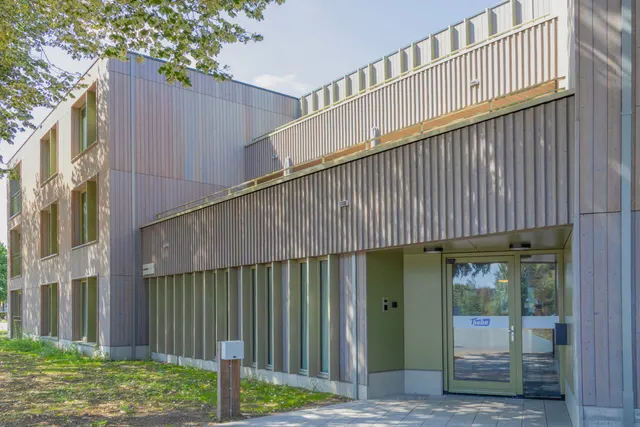
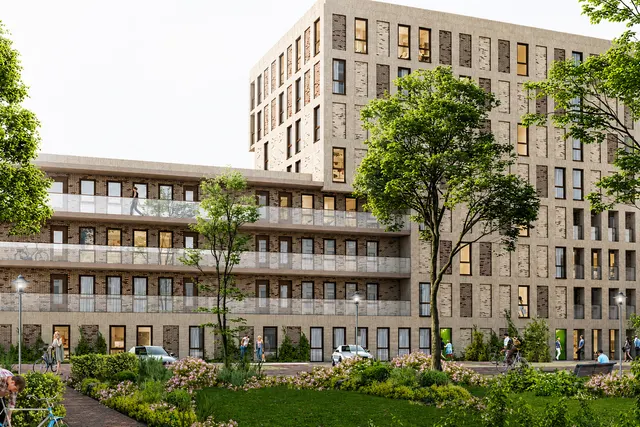
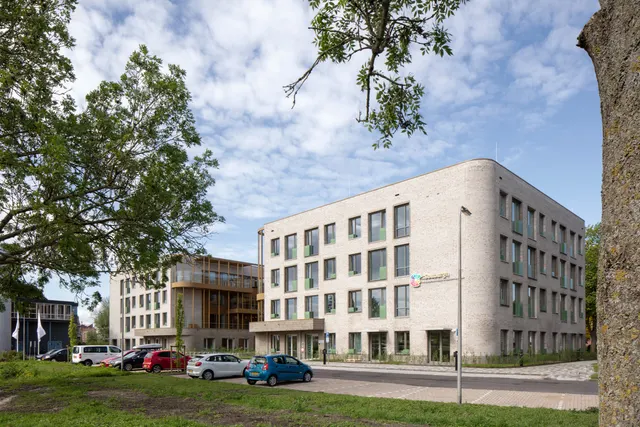
Hofje Wendakker in Heerde, Gelderland, is a good example of a modern care home designed to look like an ordinary house. Commissioned by older people’s care provider Viattence, Van Veen Architecten worked with developer Vitaal ZorgVast, builder BAM and investor Apollo Zorgvastgoedfonds to design twelve homes, each accommodating eight residents with dementia. That makes 96 places in total, in the heart of the Veluwe.
Putting people first
This campus-style development was built on the site of a former large-scale care home. Minister Hugo de Jonge officially opened it on 4 November last year. Here, the focus is no longer on the illness, but on the person. Viattence, too, recognises that the sharp increase in the number of older people with dementia means care needs to be organised differently, in a way that reflects residents’ lives. They can live as they are used to, while taking account of their condition and limitations. That is why the latest developments in home automation are being used, and a GPS trial with geofencing is also being launched.
This gives local residents the opportunity to track the care home’s residents via an app and alert the care team if necessary. For example, children and grandchildren who choose to live near their ill father or mother can easily find out exactly where they are. That is reassuring.
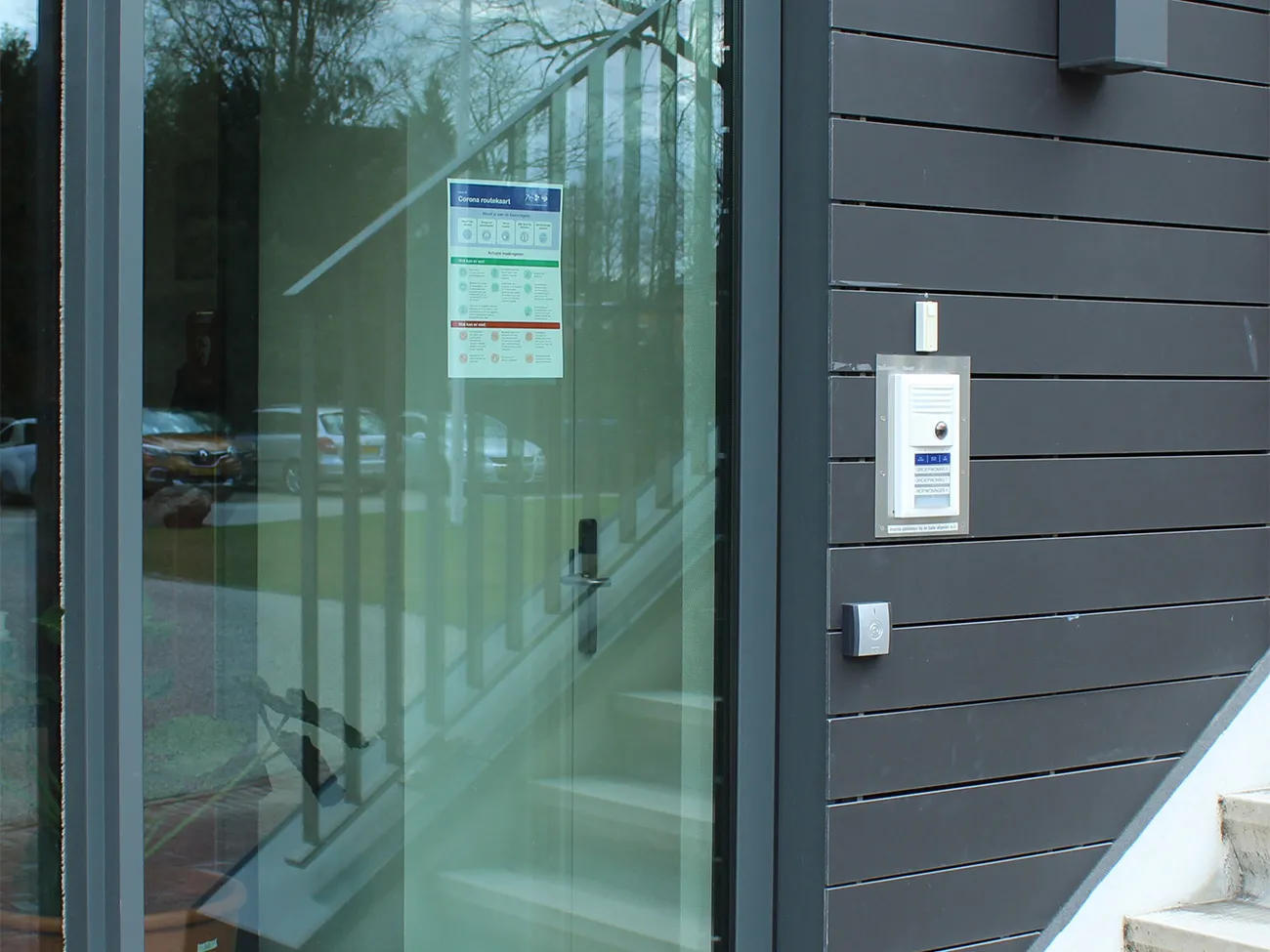
Living downstairs, sleeping upstairs, just like in a terraced house.
New ways of working
Hofje Wendakker is a good example of how organisations can take a different approach to care. Modern technology is changing work processes and, in turn, residents’ day-to-day lives. They are part of the wider community, but above all still feel like ordinary people. Staff working hours are adapted to residents’ routines. Residents no longer have to be in bed by 21 hours so that the night shift can start quietly. They decide for themselves when to go to bed and get up, with staff there to support them. Staff also consult residents about what they will eat that day. Each home has its own payment card for grocery shopping. Orders can also be placed and delivered via an app, just as in modern households. The delivery driver rings the doorbell at a family’s home nearby, and at the homes in Hofje Wendakker too. These small adjustments help residents feel part of the wider community, rather than living on a site surrounded by fences.
The details
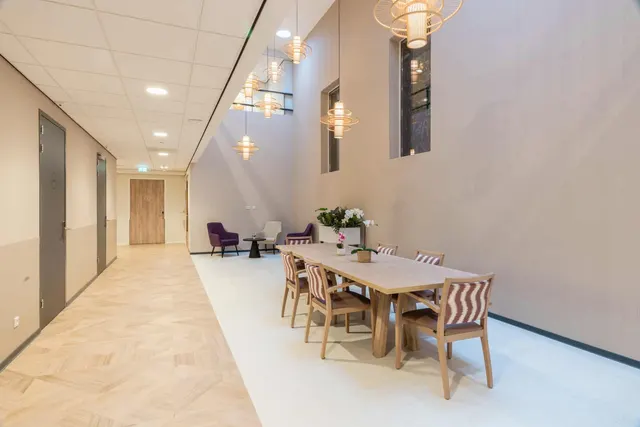
Work is currently well under way on the construction of more than fifty private homes in the neighbourhood. Careful thought has gone into the layout of the entire area, with regular consultation along the way. The care home, for example, has a similar architectural style to the new private homes. The approach to roads, parking, courtyards and walking routes has also been planned for the area as a whole, including Viattence’s group homes. Staff at the older people’s care provider were also able to review and contribute to the layout of the homes in advance. This took place during the design development phase, using 3D headsets. Questions and comments about the layouts often concerned details, but these details were precisely what determined whether residents would feel at home in their new surroundings. A homely environment not only makes life more pleasant for older people with dementia, it also helps staff feel more valued. The layout and furnishings contribute to residents’ quality of life.
The contract covers not only the construction of the care homes, but also 25 years of maintenance. One benefit is that the use of materials and access to technical installations received considerable attention at the planning stage. The development can also accommodate future changes in care. This is an investment that does not end on the day the project is handed over.
Question about this story? Ask your question
Who worked on Hofje Wendakker
- elderly care organisationViattenceIn this story
- developerVitaal ZorgVastIn this story
- architectVan Veen ArchitectenIn this story
- builderBAMIn this story
- investorApollo ZorgvastgoedfondsIn this story
Keep following this
Get an email when a new story is published. No account needed.
- ProjectHofje Wendakker
- SubjectResidential care & nursing homes
- CompanyViattence
- CompanyVitaal ZorgVast
- CompanyVan Veen Architecten
- CompanyBAM
- CompanyApollo Zorgvastgoedfonds