Residential care & nursing homes
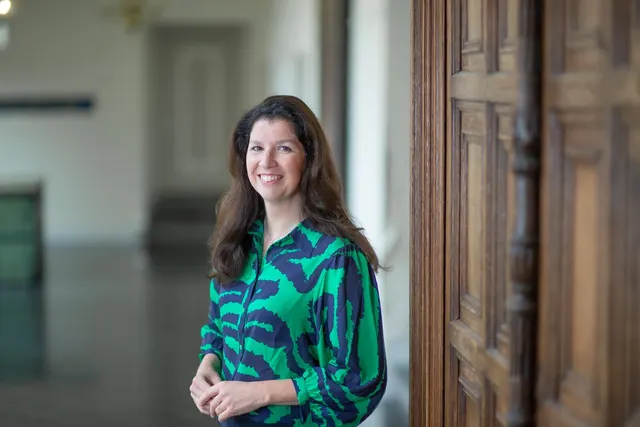
Netty van Triest, senior project manager at Platform31: All-inclusive housing and care concept is a good alternative to a residential care home

The All-inclusive housing and care concept could be a good replacement for the residential care home. This is one of the findings of an experiment carried out by Platform31 together with around ten housing associations and care providers. The experiment lasted just under a year and ran until February 2015.
Together with industry association Actiz and the Aedes-Actiz Knowledge Centre for Housing and Care, research institute Platform31 explored opportunities to develop new housing services in former residential care homes. The changes to the Exceptional Medical Expenses Act (AWBZ), now the Long-term Care Act (WLZ), prompted the study. As a result of the legislative changes, people with low care needs (up to care needs package 4) are no longer eligible for a residential care home, and increasing numbers of older people are continuing to live independently. This also means that many care buildings are becoming vacant.
Solutions
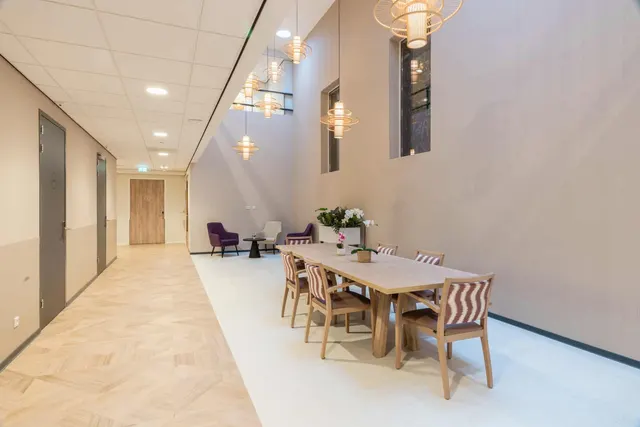
Solutions are now being sought that benefit both the owners of vacant buildings and the older people concerned. Twenty per cent of the latter group appear to need new forms of sheltered yet independent living. More and more options are becoming available for people with greater financial means. However, according to Netty van Triest, senior project manager at Platform31, things are more difficult for over-80s on low incomes who live alone and are not eligible for a residential care home. “Many of them need a sense of security, 24-hour availability and companionship. Their own homes often cannot provide these adequately. The experiment with the All-inclusive concept is proving particularly interesting for this group. It offers everything in one place: housing, security, social interaction, activity and a package of services in one of the former residential care homes. Residents pay rent for their own studio apartment, which has cooking facilities and a bathroom, as well as a contribution towards the services they use. It is an affordable option for people with a monthly budget of no more than around €1,000.”
The experiment
The experiment aimed to support ten housing associations and care organisations across the Netherlands, known as frontrunners. They are working to convert residential care home capacity into a private-market offer of housing with care. They also examined what the product should include, whether there was sufficient demand, where potential bottlenecks lay and what it would all cost. The aim was to produce recommendations for other organisations, enabling them to develop a product suited to their own circumstances.
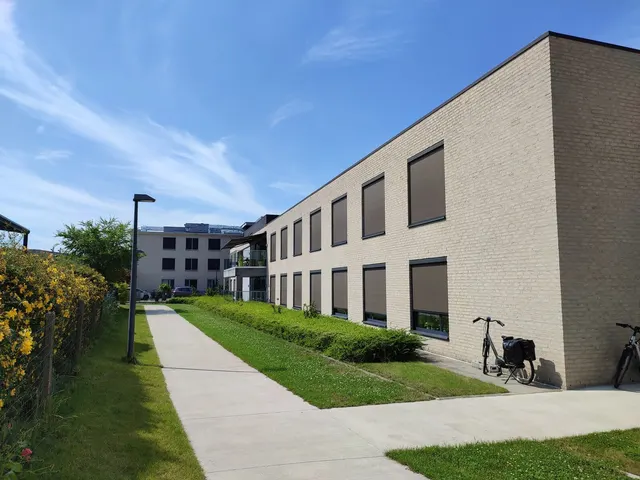
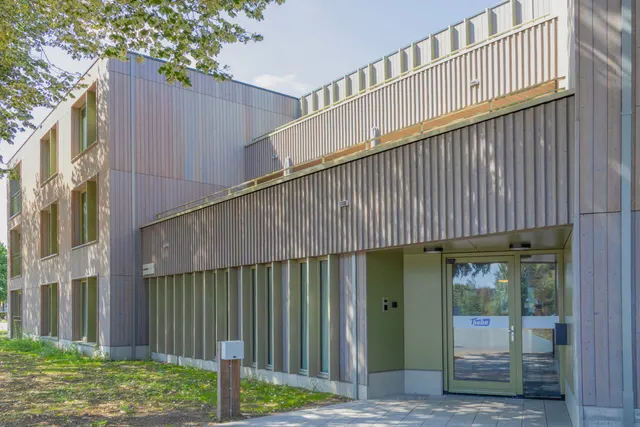
The participants were monitored for almost a year as they developed and brought All-inclusive housing for older people to market. One real-world case was examined for each frontrunner. The participants all offer different All-inclusive housing concepts in buildings across the Netherlands, dating from 1952 to 2010. The packages comprise living spaces of 20 to 54 m², monthly rents ranging from €303 to €663, and services ranging from alarm systems to the delivery of all meals. Even the age groups they target vary, from people aged 65 to those over 80.
The findings
Despite the short duration of the experiment, six of the participating frontrunners were able to offer the product on a cost-covering basis. Van Triest: “None of the buildings needed extensive renovation. However, each building needed to reach a sufficient scale, with a minimum of 60 to 70 independent tenants. Fewer can work too, but only in combination with residential care services. In some areas experiencing population decline, it is not possible to reach the minimum number because demand is insufficient. In addition, many care buildings have not yet been fully depreciated. Under this model, income falls compared with the fixed income they would receive from residential care use. However, care organisations do not want to set rents too high. One solution is to use the cheaper, most heavily depreciated buildings for All-inclusive housing and the more expensive ones for residential care.”
Another bottleneck is the surplus, unprofitable floor space on the ground floors of the buildings. The cost cannot be passed on through residential rents. The experiment therefore also looked for other ways to generate income from this space. Some frontrunners proved highly resourceful in devising profitable solutions, such as a nursery and a home-care shop selling medical aids.
Overall, the All-inclusive offer has many benefits for older people, providing affordable, safe housing with services tailored to their needs. However, it is not always equally lucrative for care organisations, and the operating models are complex. They also have to become business-minded, creative and think in terms of marketing and profit models.
Outlook
Van Triest nevertheless believes that All-inclusive housing will catch on. “As the population continues to age, demand for independent, affordable and safe housing among older people will increase significantly in the coming years. Care organisations are becoming more creative and market-oriented, and the All-inclusive housing services concept offers excellent opportunities to meet this demand.”
Text: Irene Teunissen
Photos: Platform 31
Question about this story? Ask your question
Keep following this
Get an email when a new story is published. No account needed.
- SubjectResidential care & nursing homes