Residential care & nursing homes
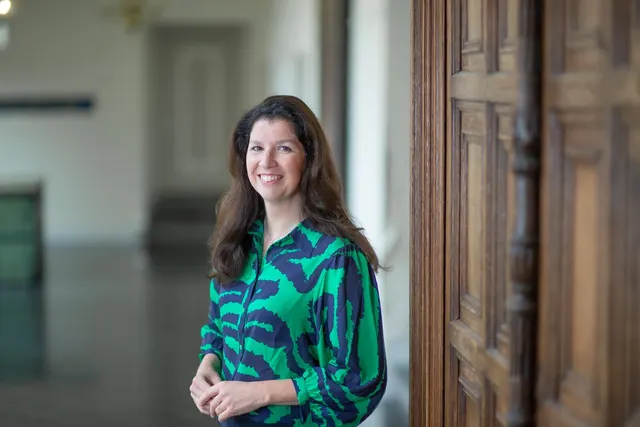
The Interview | Paul Derhaeg: ‘Small, independent eldercare facilities may struggle to survive’
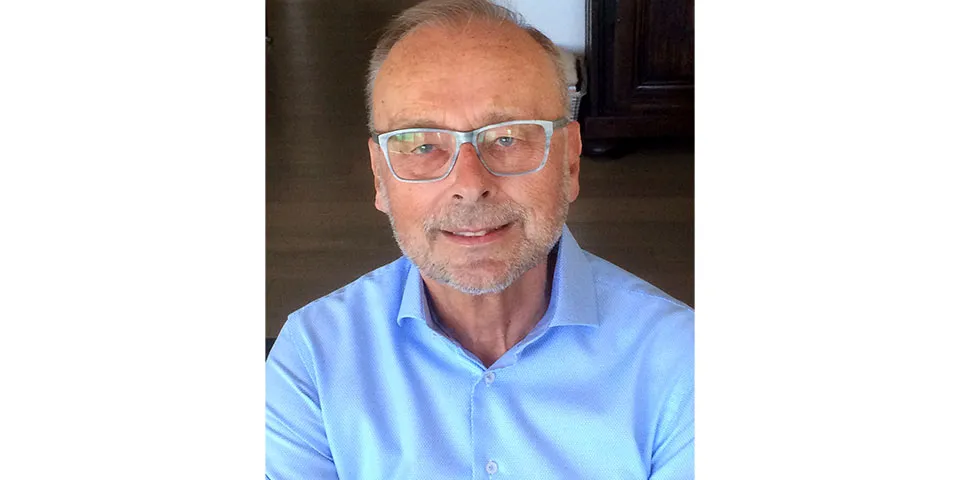
This spring saw the publication of the fifth edition of the report Networks in private non-profit and private commercial residential elderly care, an initiative by Paul Derhaeg. The report offers a detailed overview of the entire range of residential care for older people in Flanders, compiled by the retired employee of welfare and prevention organisation Idewe.
Words | Koen Mortelmans
“As part of the commercial projects undertaken by my former employer, it was essential to have a clear understanding of developments in eldercare facilities and other customer segments. It quickly became clear to me that residential care centres could no longer be viewed as standalone entities, but increasingly as groups and clusters of separate initiatives and facilities. For an external prevention service such as Idewe, it was useful to gain a clear picture of this development. It took me a while to devote myself fully to the research required. My retirement provided a good opportunity to do so.”
Derhaeg has so far left the public sector out of his study. “My focus was primarily on the formation of networks in Flanders. Brussels and Wallonia were mentioned only in passing, against the backdrop of private commercial groups in particular expanding their reach across Belgium and even across national borders.” The most recent report lists 121 groups.
Continuous updating
Until then, neither care umbrella organisations nor professional associations had attempted to map the formation of networks in the residential care sector. Organisations involved in eldercare policy, such as Zorgnet-Icuro and the Agency for Care and Health, have expressed their appreciation. “It is both a kind of reference work (what is happening now?) and a starting point for continuous updating (what is changing?). I am considering including the public sector in the next edition and extending the inventory to cover all of Belgium,” says Derhaeg. “It takes a great deal of energy and time to find out what is happening day to day. Things often change in the commercial sector, with residential care centre acquisitions as well as mergers and takeovers among commercial umbrella organisations. In many cases, I gather up-to-date information through online research, media reports, contacts with organisations, and feedback from individuals and organisations who work on and/or are interested in this subject every day.”
“Networks are not a new phenomenon. In previous centuries, religious orders and congregations established numerous facilities for education and for the care of the sick, older people and people with disabilities as part of their mission. These were managed by an overarching organisation. Local authorities set up ‘charity offices’ and ‘civil almshouses’ within their city or municipality as part of their poor relief work. Guilds, and later the health insurance funds, also helped establish a range of facilities for healthcare and eldercare as part of their mission of ‘mutual assistance’.”
Reasons for forming networks
According to Derhaeg, four reasons underpin the formation of networks today. “First, there is the development of a broader policy approach to welfare and healthcare, which extends beyond eldercare alone. Then there is the drive for efficiency. This can translate into, for example, joint purchasing of services and goods, appointing a single director for several initiatives, preparing meals at a central supply point or providing temporary logistical support in emergencies.” Another factor, he says, is the need to deal with increasingly complex regulations governing management and operations. “Rather than each residential care centre having a full team of its own to provide the necessary expertise, a structure can be created in which several staff members work for the residential care centres affiliated with the network. Another option is to set up a resource-sharing facility, pooling existing know-how and expertise that still needs to be recruited. This expertise is spread across the group’s various residential care centres. Each member of the network, whether formal or informal, can draw on it at cost or through an exchange arrangement. Finally, there may be commercial motives for developing and/or acquiring as many residential facilities as possible and operating them under their own management for profit.”
Growing share for the for-profit sector
“Over the past few decades, commercial initiatives have driven tremendous growth in the residential care sector. Rapid increases in planned capacity, which traditional providers were unable to keep pace with for various reasons, created opportunities for the commercial sector to expand. Between 2013 and 2020, the share of total residential care places accounted for by the non-profit vzw sector and the public sector fell by 3.5 and 4.9 percentage points respectively, to 42.9% and 30.1% of all residential care places. Within the public sector, there has been a significant shift from OCMWs as initiators to care companies, which are public-law associations. By contrast, the number of places in commercial for-profit residential care centres grew by 71%, from 1,962 to 9,141. The commercial sector now accounts for 27% of total capacity, up from 18.7% in 2013. This expansion may have come to an end, given the slowdown in growth two years ago and the stagnation last year.”
Derhaeg believes that as residential care centres continue to grow in scale through networks, alongside related initiatives such as assisted living and short-stay care, small, independent facilities will find it difficult to survive. “I also bear in mind that the current coronavirus crisis will lead to additional requirements in terms of prevention, safety and infrastructure.”
Those interested can request the report from [email protected]. Suggestions, additions and corrections are also welcome at this email address.
Question about this story? Ask your question
Keep following this
Get an email when a new story is published. No account needed.
- SubjectResidential care & nursing homes