











A hotel-inspired vision of the near future of care
Text Koen MortelmansImage M+R interior architecture, Willem van der Zee, Zorgbedrijf Antwerpen, Herman de Winter, Charite Smet en Ria Geerinckx
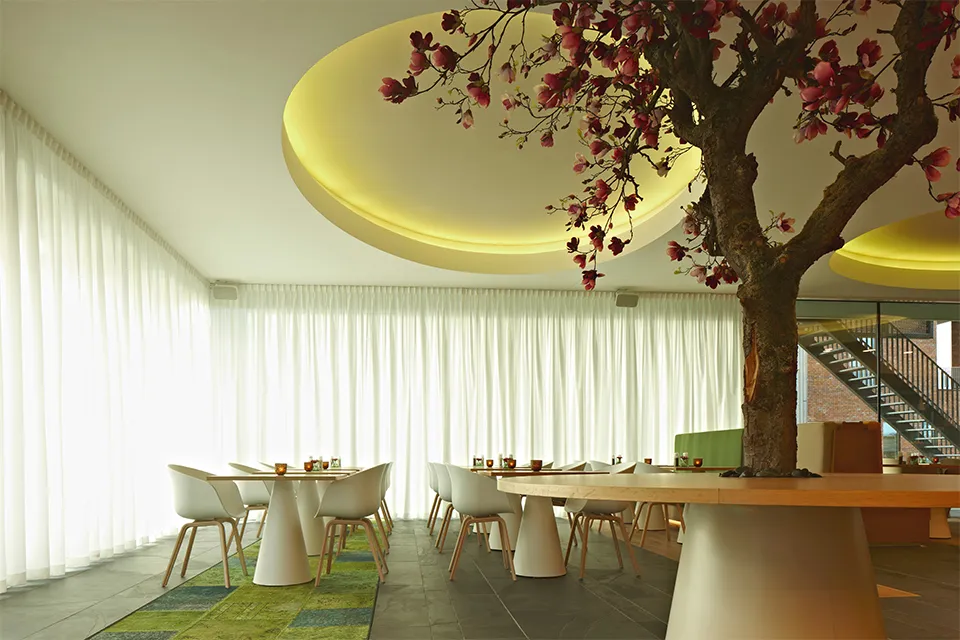
Mutual inspiration between care and hospitality
In practice, the concept of a ‘care hotel’ remains relatively rare in the care sector. This has much to do with the regulations governing care funding. But could care providers simply integrate a number of hotel services into their operations? And could the hospitality sector learn something from care? We spoke to several experienced professionals in the field.
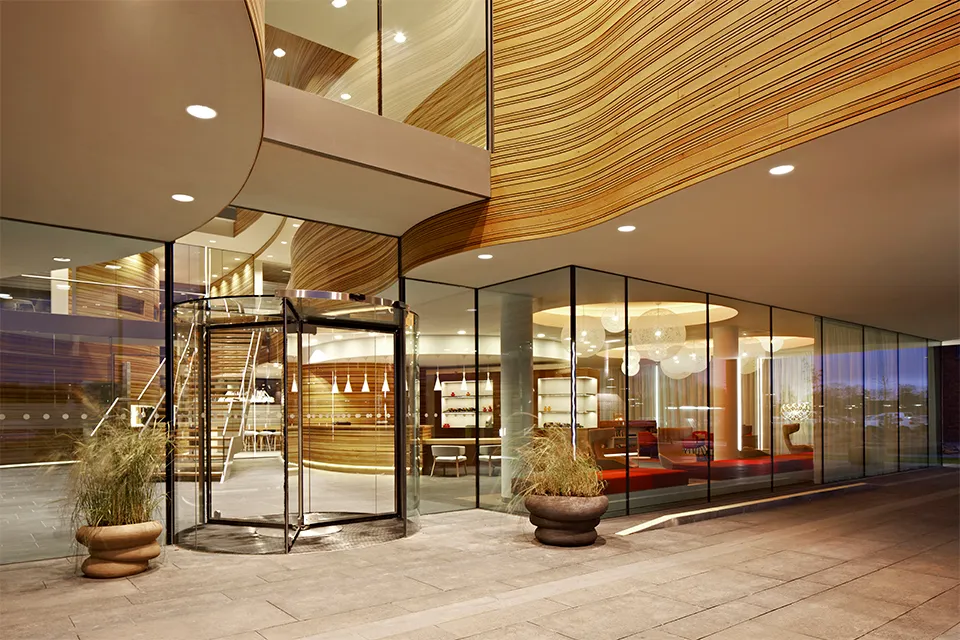
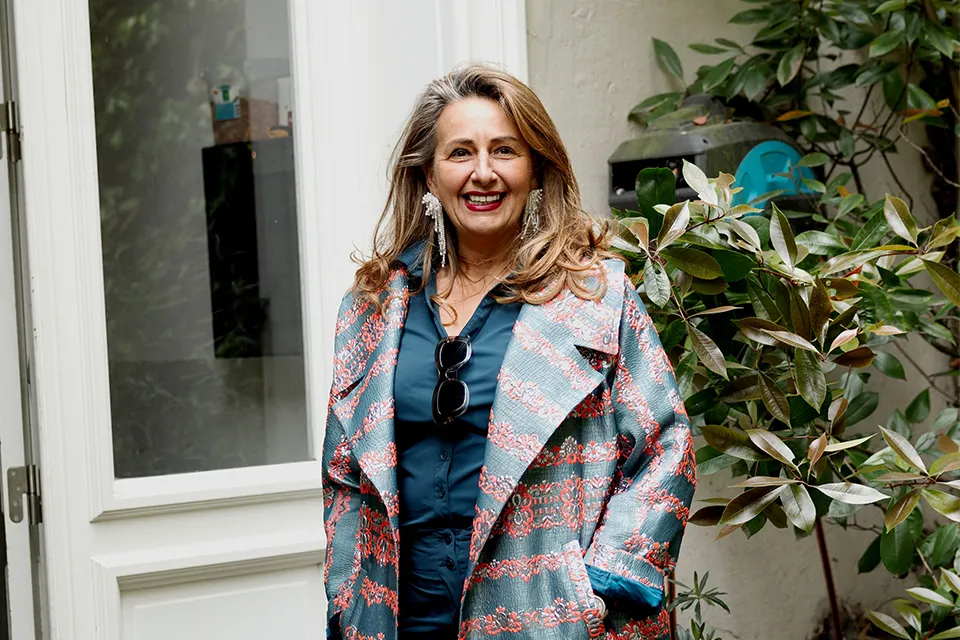
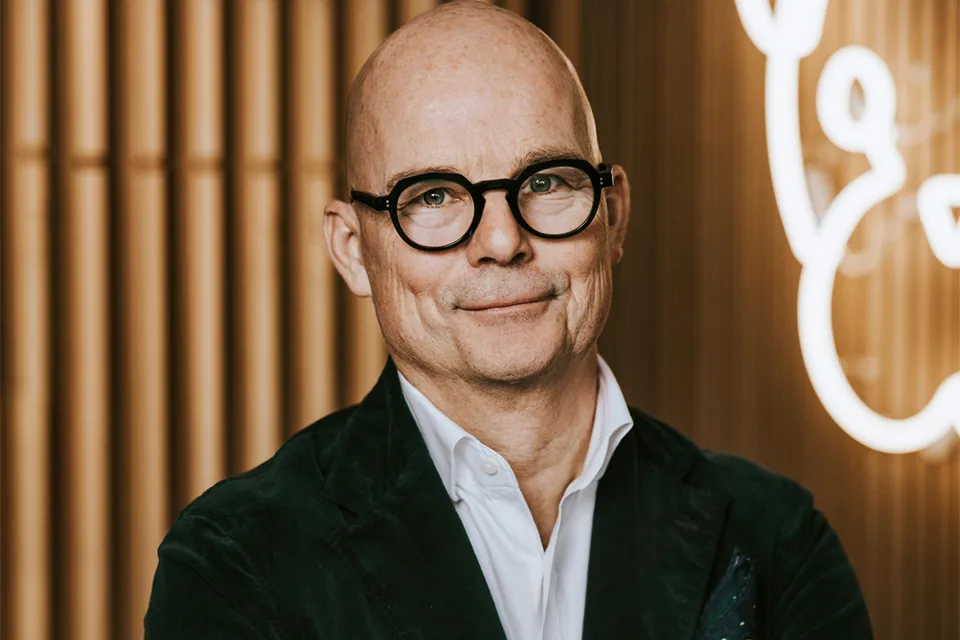
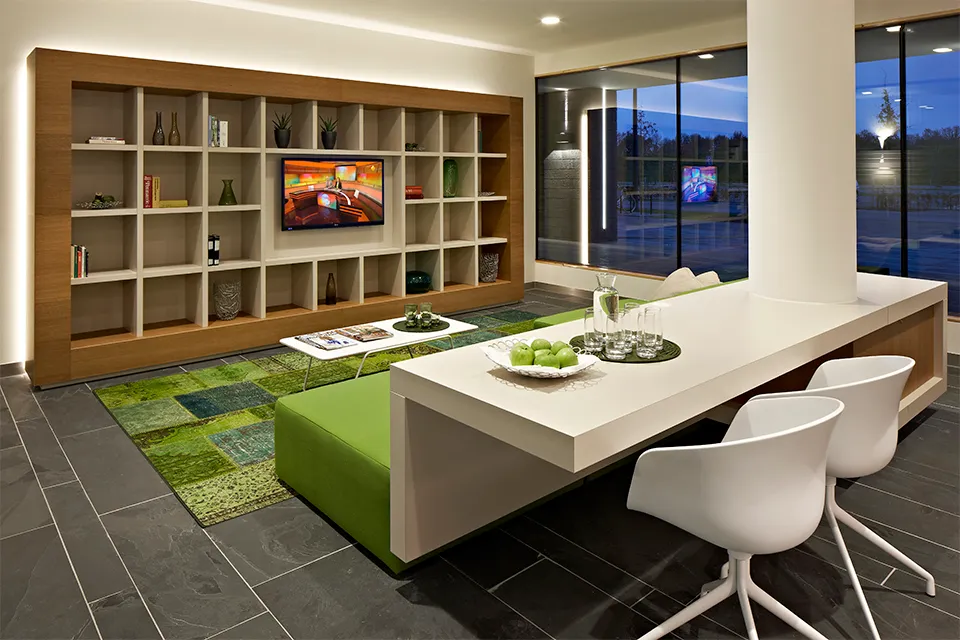
Hans Maréchal founded M+R interior architecture (Eindhoven) in 2000. His practice designed, among other projects, care hotel Udens Duijn in Uden (2013). “But we also do a lot of work for hospitals,” he says. “In both cases, the aim is to create an environment that contributes to recovery. Hospitals used to be designed purely for function, with a strong emphasis on hygiene. The boundary between a care environment and a hotel or home was clear-cut and often stigmatising.”
The Covid-19 pandemic brought about a change. The boundaries between work and private life became blurred as people worked from home, and hospitals too began paying more attention to atmosphere and experience. “Hygiene remains essential, but there is now room for new perspectives. Think of hospices for palliative care patients, Ronald McDonald Houses and other initiatives where family members can stay close to the patient in a homely setting. The demand for personalised care, with an individual touch, is growing.”
Atmosphere, sound and division of responsibilities
“If you have experience in just one sector, you won’t recognise every problem. In the care sector, particularly in hospitals, the unnatural beeping of numerous medical devices is taken for granted. But someone from the hospitality industry will immediately hear how stressful it can be. Hospitality professionals know how to create a pleasant atmosphere and are good at organising an efficient division of responsibilities.”
Maréchal’s daughter works as a doctor at Jeroen Bosch Ziekenhuis in ‘s-Hertogenbosch. “That gives me the chance to see that care staff talk more to people and are generally very passionate about their work. That human scale and empathy could serve as an example to the hospitality sector, where the approach is more formal. Cross-fertilisation can mean learning, by looking at the other sector, how not to do things. I’m thinking of aspects such as safety and hygiene.”
Motivation
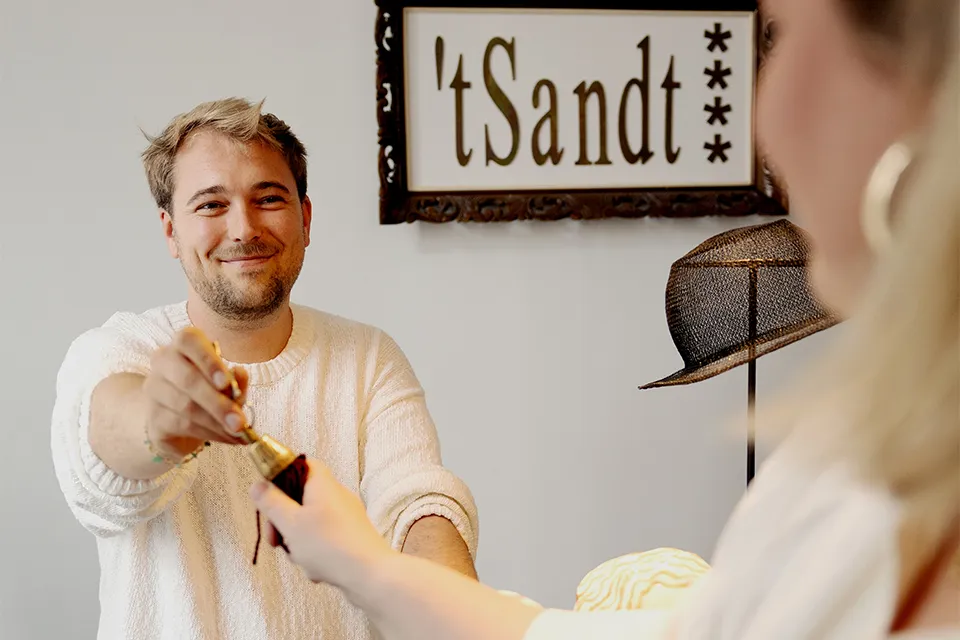
“It’s true that people tend to choose a career in care out of a sense of vocation,” confirms Sandy Cannuyer, business manager at hotel ’t Sandt in Antwerp. “In hospitality, people’s motivations are more varied.” She sees both parallels and differences. “In the care sector, providing care takes precedence, and many roles require highly specific expertise. Training is shaped by established patterns. The roles themselves are also more tightly defined, leaving less room for creativity than in hospitality, where working procedures are less rigid. But because you find many more employees here without a clearly defined training or career background, good coaching is essential.”
Working hours
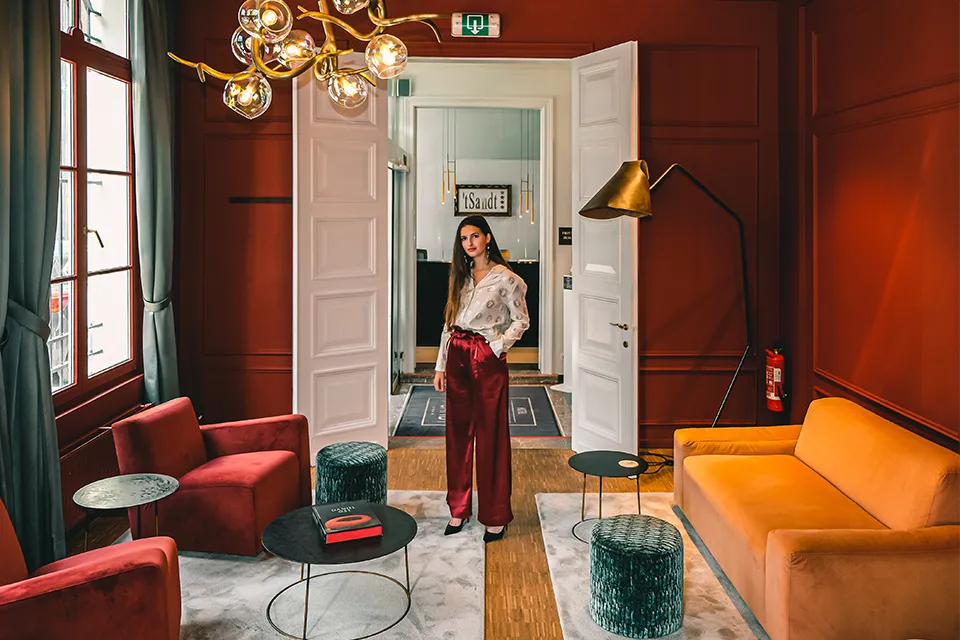
’t Sandt is a renovated townhouse dating from 1850, converted into a hotel with 29 rooms in the Louis-Philippe style, in Antwerp’s historic centre. The Louis-Philippe style is known as the first ‘homely’ architectural style. “One advantage of being a small, independent business is that you can tailor your work more closely to individual customers. But being available 24/7 comes at a cost. It places much greater demands on every member of staff. We’ve had someone take an additional course so they could move to a care organisation, because a range of roles there offer more comfortable working hours. That’s more difficult for us, but we do offer a flat management structure and aim to provide fair pay, respect and appreciation for every member of staff.”
Some challenges affect both sectors, albeit in different ways. “The new generation of hotel guests is more price-conscious but expects the same level of service. The rooms in our heritage building are very large, which also means higher operating costs. That’s why we’re opting for smaller rooms in our planned extension.”
Smaller and cosier
Cannuyer expects the residential care sector to undergo major change. “New generations of customers are coming through there too. I’ve noticed that older people have a decidedly negative view of residential care homes. At the same time, they fear becoming lonely if they continue to live alone. That’s why I see potential in cohousing and initiatives that divide communal residential care into small units, each with its own homely activities, creating a cosy atmosphere and encouraging contact with people of the same generation. A cosier, more appealing care offering, in other words.”
“In both sectors, it’s people who make the difference,” stresses Willem van der Zee, director of operations at Pandox, general manager of The Hotel in Brussels and president of the Brussels Hotel Association (BHA). “But philosophically and organisationally, they are completely different sectors. Care is a basic right, while hospitality is a voluntary choice. In care, urgency comes first; in hospitality, it’s the customer experience. In hospitality, you can act as a demanding customer, regardless of whether your demands are necessary. Just look at the different types of rooms. It is more of a business environment, with more scope for individual choices. By contrast, many care organisations operate in the non-profit sector. A large part of what they offer, food, accommodation, sanitary facilities and so on, is similar for every user.”
Workload
“Interactions with people in the care sector are more detailed. That’s necessary, because if something goes wrong, the consequences can be serious. And while hospitals do experience some seasonal fluctuations, care requires you to be on duty 24/7, 365 days a year. In the hospitality sector, there are predictable periods when the workload is lower.”
Stars
“There is currently no system in the care sector like the star ratings used in the hospitality industry,” Van der Zee notes. “That makes it difficult to compare the comfort offered to customers by different care facilities. Fortunately, initiatives are getting under way, such as the one by Gault & Millau. In 2024, at the request of caterer Aramark, this restaurant guide audited the kitchens, table service and dining-room design at a number of residential care homes. G&M inspectors had earlier also reviewed the kitchen at AZ Groenige in Kortrijk. In residential care, you can opt for a premium package from a number of private providers. In the public and non-profit sectors, the offering is based on statutory requirements.”
It is very difficult to find people with the right qualifications for certain roles in the care sector. “Hospitality can offer inspiration there,” Van der Zee believes. “Particularly through its existing training programmes.” He sees further opportunities for exchange. “A lot depends on the budget available, but hospitality can inspire care in terms of interior design and atmosphere. In residential care homes, meals are usually served in fixed portions and quantities. Why not offer a buffet for residents who are still sufficiently independent? Surely that could work for breakfast and coffee breaks? Care, in turn, can inspire hospitality in other areas, such as working with lower budgets.”
Appealing to a wider audience
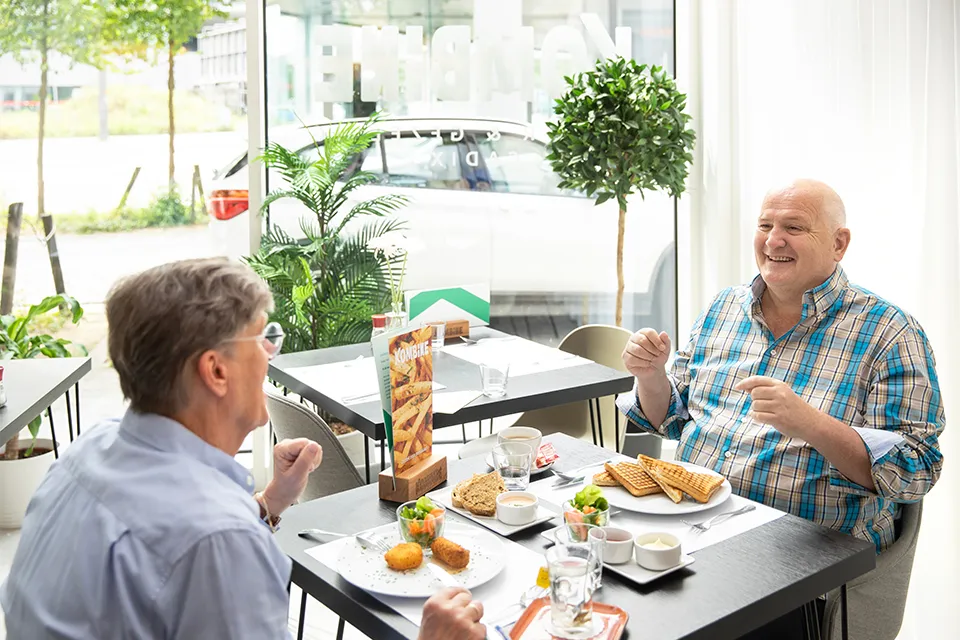
Eric van Dalsum has a long and varied international career behind him in both residential care and the hotel sector, including as general manager of Radisson Blu Nice. Drawing on his hotel experience, he is developing a new approach to dining at Zorgbedrijf Antwerpen, where he was appointed director of hospitality & facilities in 2023. “As well as 18 residential care homes, Zorgbedrijf runs 50 service centres. We want to make them attractive to people from outside too. Not just older residents of the neighbourhood, but younger people and staff from nearby businesses and offices as well. At three service centres so far, alongside a three-course meal at a reduced price, we offer a small à la carte menu. The set-up is similar to that of a neighbourhood bistro. It creates a completely different dining experience.”
Cooking on site
“In our residential care homes, we’re introducing decentralised meal preparation on each unit. This involves much more than creating a homely atmosphere. Meals are no longer prepared in a basement kitchen, but in full view of the residents. The more pleasant experience turns mealtimes into social occasions. It also reduces the risk of malnutrition. Older residents who are able and willing can help prepare and serve the meals. All of this, of course, in strict compliance with the hygiene guidelines of the Belgian Federal Agency for the Safety of the Food Chain. The menu changes with the seasons. Adjustments are made at a menu-planning meeting four times a year. In principle, the chef visits the dining rooms once a week to keep in touch with residents’ gastronomic preferences.”
Tastes are changing
Van Dalsum sees preferences and tastes changing. “The current generation of older people still has fairly traditional tastes. Chips, mussels, asparagus and well-cooked vegetables make them happy. I expect the next generations to want to try crisp vegetables, and that special requests, such as the vegetarian and vegan dishes currently on offer, will become more common. We already offer kosher and halal food, in some locations, because demand for it varies greatly by area. It doesn’t take much effort, as our suppliers are already very familiar with these requirements.”
“For new-build projects and major renovations, we now look more to the hospitality sector when designing interiors. This means, among other things, that we no longer use spaces simultaneously as dining rooms and multipurpose rooms. Diners are no longer disturbed by people playing bingo or billiards, and vice versa.”
Care and hospitality may differ in their purpose and philosophy, but their interaction offers opportunities for innovation. Combining the best of both worlds creates care environments that are warmer, more efficient and more humane.
Question about this story? Ask your question
Keep following this
Get an email when a new story is published. No account needed.
- SubjectGeneral







