











Breda, Amphia Ziekenhuis | Amphia equips digital operating rooms
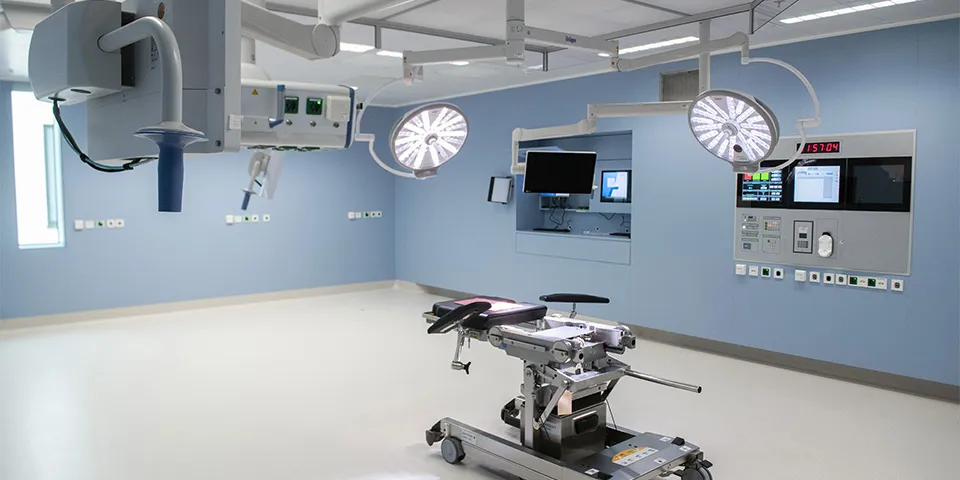
In Amphia’s new operating theatre complex, 16 operating rooms and 3 cardiac catheterisation labs have been fully digitised for image and video management by systems integrator INTER from Duiven. The new operating rooms will be commissioned shortly. Images are captured and routed during operations using video over IP technology, enabling very fast image transfer.
Dr Fabian Otten, interim project manager for operating room image routing at Amphia: “In the old setup, we used a lot of separate video towers with their own screens for the surgeon to view. In the new setup, many sources will be permanently mounted on the pendants and connected to the image routing system. Each operating room will have an average of three 27-inch pendant monitors. Digital image routing gives the surgeon a clear view of the images from any angle or position around the operating table. This allows the doctor to operate in a more natural posture. This is essential, especially during longer operations requiring precision. The medical specialist can concentrate fully on the operation.”
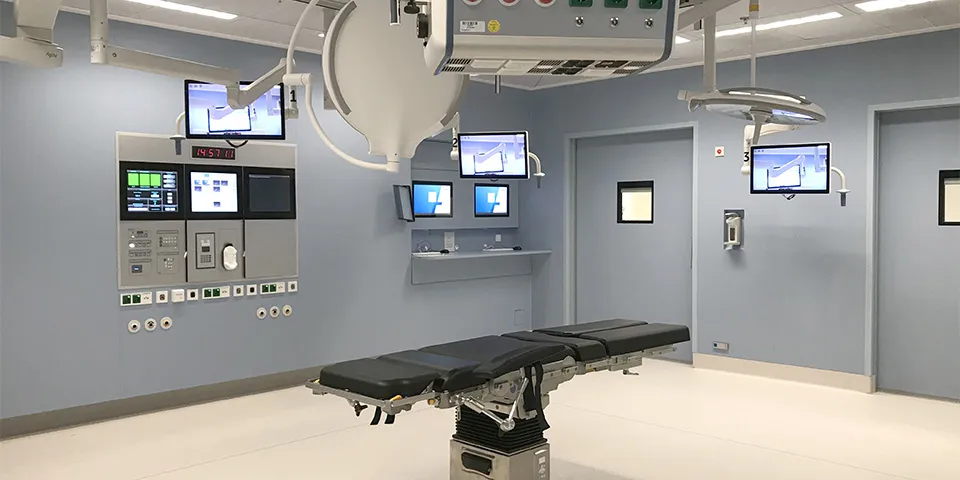
Secure, central image storage
As well as image routing, the system provides temporary, central storage for recordings of minimally invasive procedures. Previously, these were recorded on DVD, connected to the video source. In the new setup, recordings are stored securely and centrally via the image routing system, which is linked to the electronic patient record (EPR) and the central image archive (PACS). Surgeons can also review images at a later time from their own workstation. Otten explains how the new image routing and video management system will support the operating room team’s workflow: “The new workflow is fully integrated with the existing way of working in the operating room. Patients scheduled for surgery and assigned to an operating room are automatically added to a worklist in the image routing system via an order. This ensures that procedure recordings are always made for the correct patient. Each operating room has a surgical light camera connected to the image routing system, making it much easier to observe the surgeon in the operating room. It can also be used to take photos and record video. In addition, the surgeon’s PC and the circulating nurse’s PC are connected, which means that EPR information or images from the image archive can also be routed to and displayed on the pendant monitors. This is very useful when a specialist wants to consult additional images during an operation.”
The right image information in the right place
Equipment such as video towers, anaesthesia machines, microscopes, X-ray equipment and even the Da Vinci Robot is ready to be connected to the image routing system. Each source can be routed to one or more screens in the operating room. In addition, three operating rooms will be equipped with 3D monitors. “For example, as part of supervision, doctors can view a selected image from an operating room from their outpatient clinic workstation, provided the operating room has authorised access using a PIN. This means they no longer need to go to the operating room in every case. It also saves time, as they do not have to change clothes to enter the operating theatre complex. In short, INTER’s new image routing system ensures that the right image information and source can always be displayed in the right place at the right time,” says Otten. “The new operating rooms will be commissioned by the end of November 2019. The new image and video management system looks very promising. Initial feedback from training sessions for end users, including surgeons and operating department practitioners, has been very positive.”
Question about this story? Ask your question
Keep following this
Get an email when a new story is published. No account needed.
- ThemeHospital construction and refurbishment
- SubjectGeneral







