











Healthcare property market sets another record, investment volume tops €1 billion

Investor interest continues to grow, partly due to the shortage of housing for older people
2019 was a record year for the healthcare property investment market. For the first time, the €1 billion mark was exceeded. Investment volumes rose in almost all segments and were 17% higher in 2019 than in 2018. The total number of transactions also increased: there were 25% more transactions in 2019 than in 2018. These are the findings of CBRE’s Real Estate Outlook 2020, an annual analysis of the Dutch property market, and its accompanying Healthcare Property Special.
Investment volume
The total investment volume reached €1.125 billion. Most of this consisted of investment in nursing homes providing residential care and housing offering care to residents in their own homes. Investors are increasingly responding to the growing demand for housing for older people who need care.
- The four largest investors in 2019 had a combined investment volume of €427 million, representing 37% of the total market.
- The largest share of investment was in North Brabant (19%), followed by Utrecht (18%), South Holland (13%) and North Holland (12%).
- Around 29% of the volume was sold by developers and approximately 28% by healthcare providers. Sales of healthcare property between investors are beginning to gain momentum: around 24% of the investment volume was traded from one investor to another.
- Around 39% of transactions involved residential care property. About 28% involved care apartments for people living independently, and 16% concerned private residential care facilities, including those for people living independently. The remaining transactions involved primary care centres (9%) and secondary care clinics (9%).
“Interest in healthcare property is continuing to grow among both Dutch and international parties. Parties that were not previously active in the healthcare property market are now exploring it. We are also seeing investors show cautious interest in segments they had previously tended to avoid, such as care for people with disabilities and mental healthcare.”
Annette van der Poel, Associate Director Healthcare, CBRE
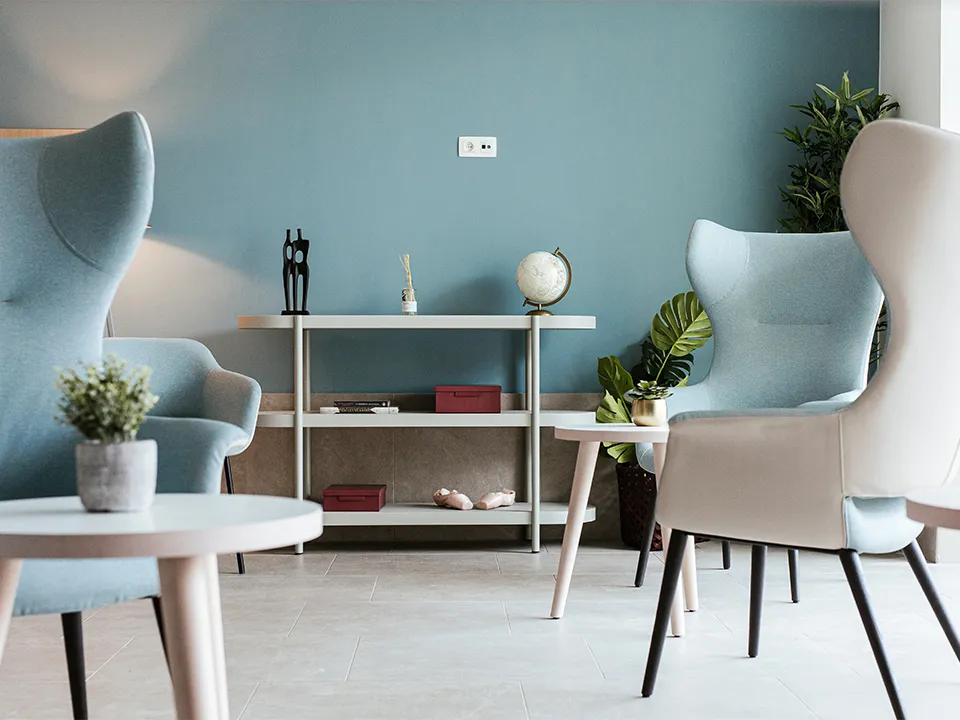
Shortage of residential care facilities remains acute
Despite the growing investment volume, shortages of housing for older people and nursing home places are also increasing. This is due, among other things, to the ageing population and changes in regulations. “More and more older people who need assistance are continuing to live at home, while many existing homes are not designed for this. Demand for suitable housing and new residential care concepts is therefore growing rapidly, but supply is lagging behind,” says Annette van der Poel.
Joint action is essential
Specialist knowledge and expertise are prerequisites for successfully addressing these shortages and developing new care facilities.
“Municipalities, developers and investors should join forces more often to make the best possible arrangements for the design and management of healthcare property. There is significant progress to be made in the run-up to 2035, when the ageing population is expected to peak. Municipalities also have an important role to play in taking a close look at their housing policies. Providing older people with a suitable place to live can in turn encourage people to move on in the local housing market,” says Annette van der Poel
> More detailed information and figures on the Dutch property market can be found in the Real Estate Outlook 2020.
> For a deeper look at the healthcare property market, download our Healthcare Property Special.
Question about this story? Ask your question
Keep following this
Get an email when a new story is published. No account needed.
- ThemeHousing with care close by
- SubjectGeneral







