Emergency power | TNO calls for investigation into hospitals’ emergency power systems
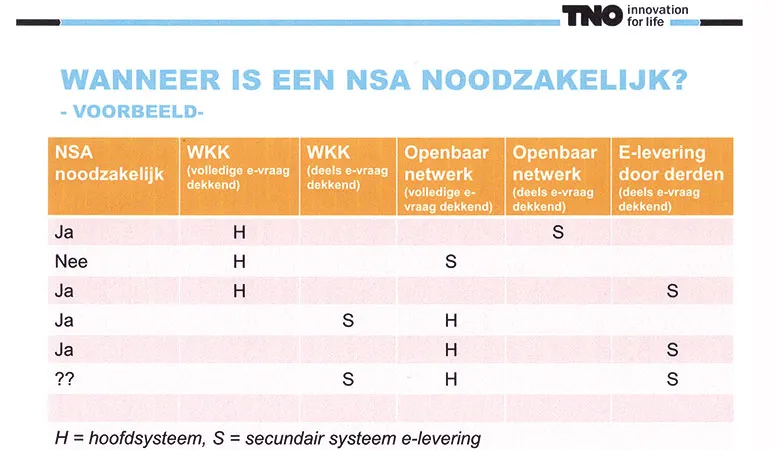
The installation of emergency power systems in Dutch hospitals needs to be investigated, say research institute TNO and the Dutch Association of Hospitals, following the power cut at Laurentius Hospital in Roermond. In October last year, the emergency power system failed to start because the battery in the control computer was not working properly.
TNO’s investigation found that the emergency power systems in at least ten hospitals in the Netherlands are configured in the same way as the one in Roermond. TNO also concluded that this is not an isolated case and that a guaranteed power supply cannot be taken for granted. In recent years, problems with emergency power and/or electrical infrastructure have made the news twenty times. Emergency power systems are often installed in the hope that they will never have to be used. And because the Dutch electricity grid is still highly reliable, emergency power systems tend to fade into the background. After installation, they are often not adapted to changes in hospital operations. Over the thirty or forty years that a hospital is in operation, more and more high-tech medical electrical devices and systems are added. Moreover, an emergency power system is more than just a generator: it is part of a much larger whole. That whole changes over time, and each change can trigger a chain reaction of failures. As a result, the system may not always meet expectations when it is needed most.
Alternatives
In hospitals where the emergency power system is controlled by an electronic control unit powered by batteries (a single point of failure), the same thing could happen as in Roermond. In emergency power systems where the electronic controls are battery-powered, the batteries and controls need to be monitored to ensure they are functioning. Periodic replacement alone appears insufficient. One alternative is to make the electronic control system, including its power supply, redundant. TNO also recommends that the power supply and electronic controls should henceforth be duplicated. In addition, it must be possible to start an emergency power system manually if automatic start-up fails. TNO recommends creating the option for appropriately qualified hospital staff, in consultation with the grid operator, to carry out manual switching operations (override). It also calls for a national protocol for testing emergency power systems in hospitals, with the methods and frequencies clearly specified and reasonable expectations made clear. Finally, TNO believes the emergency power system should be explicitly included in the critical technical infrastructure covered by the Quality Act for Healthcare Institutions.
Words: Loet van Bergen
Photo: TNO
Question about this story? Ask your question
Keep following this
Get an email when a new story is published. No account needed.
- ThemeSafe and reliable healthcare buildings
- SubjectInteriors