Operating theatres, intensive care and cleanrooms
Maintaining cleanrooms and operating theatres: downtime is not an option
Text Roel van GilsImage CCG, Rik v/d Wildenberg
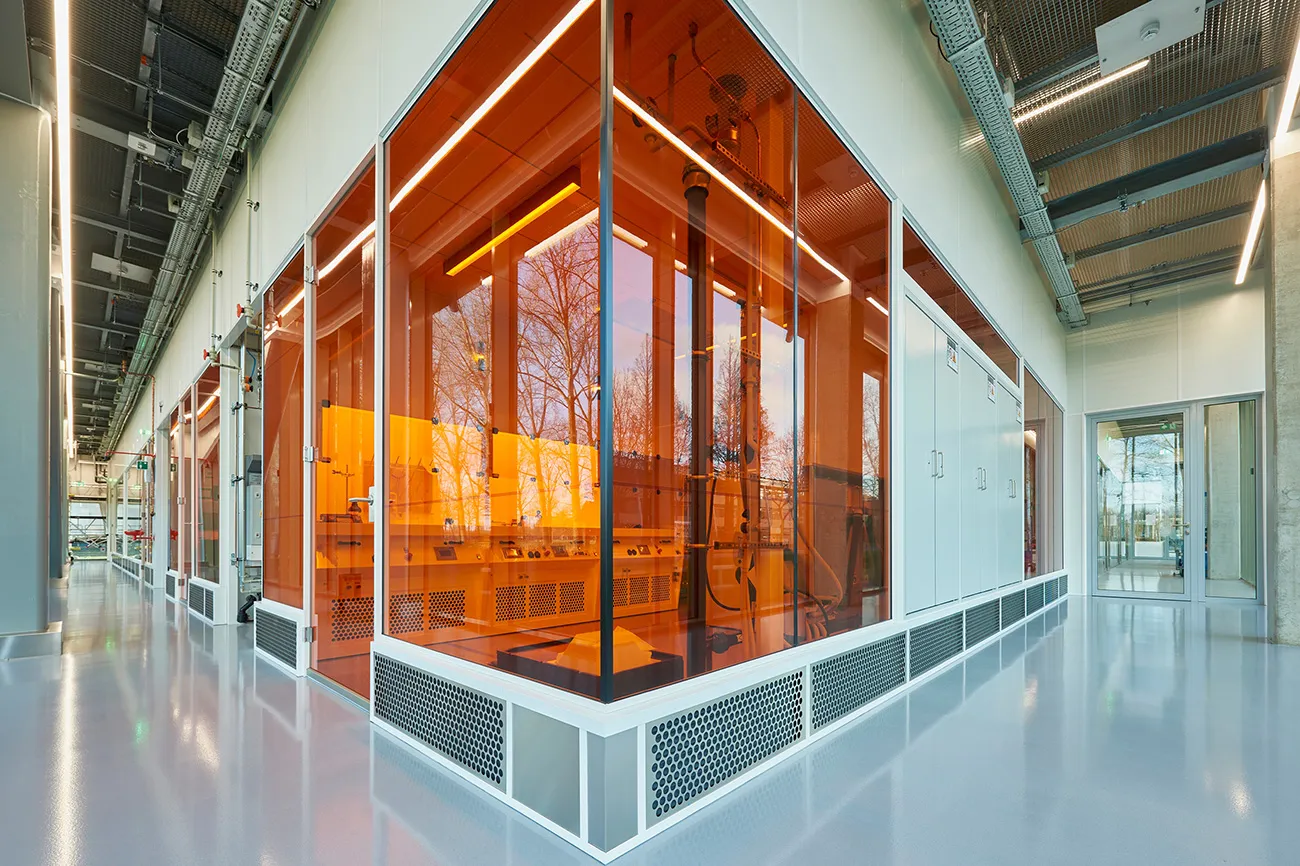
We often only stop to think about it when it is too late: maintenance is essential. If you neglect it, sooner or later something will go seriously wrong. That applies to cars, roads, bridges and the coffee machine at home. But when it comes to cleanrooms and operating theatres, even the smallest defect can bring everything to a complete standstill. Unplanned downtime is not an option, as Cleanroom Combination Group knows only too well. “A small patch of damage to the floor finish is manageable, but if you fail to repair it promptly, before you know it the room will be taken out of service because moisture has seeped beneath the floor finish and caused it to come loose.”
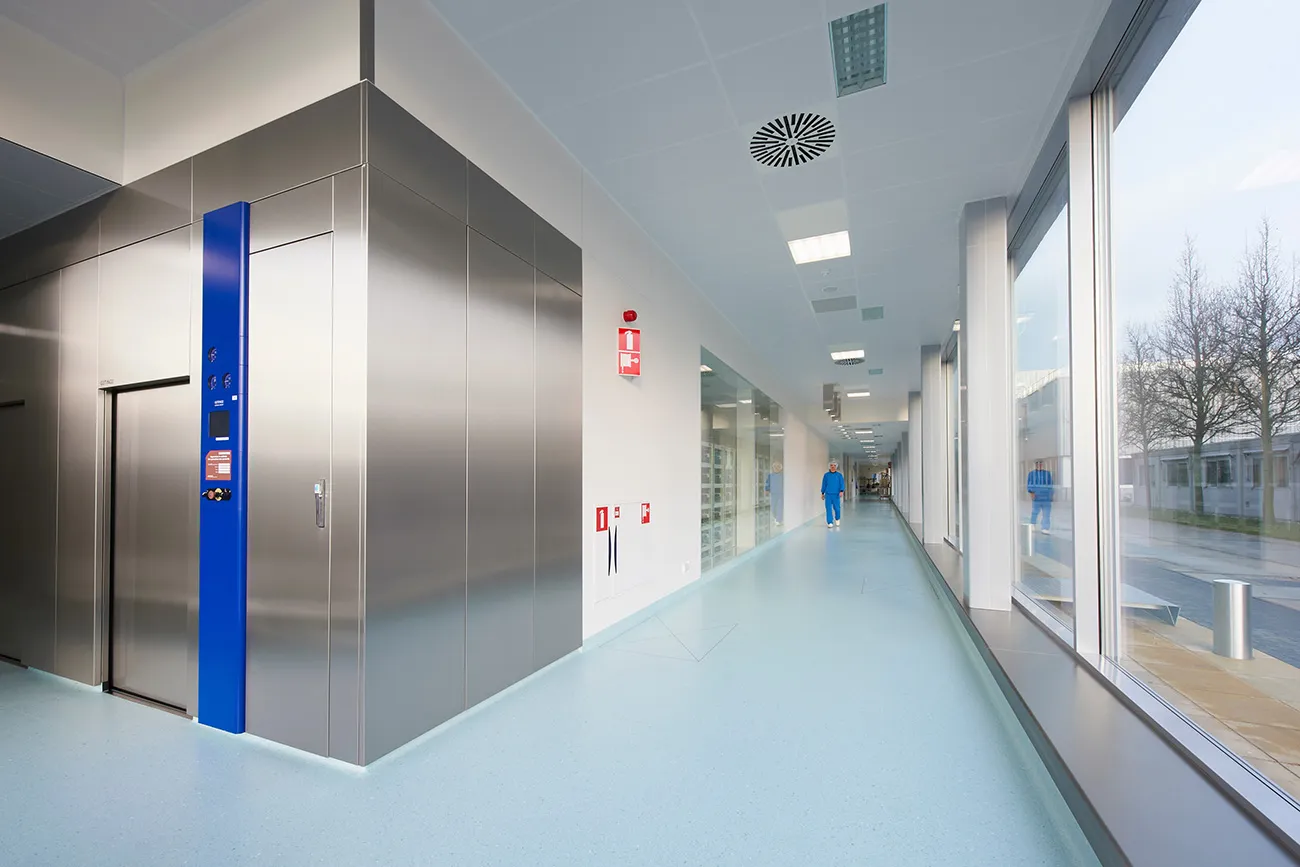
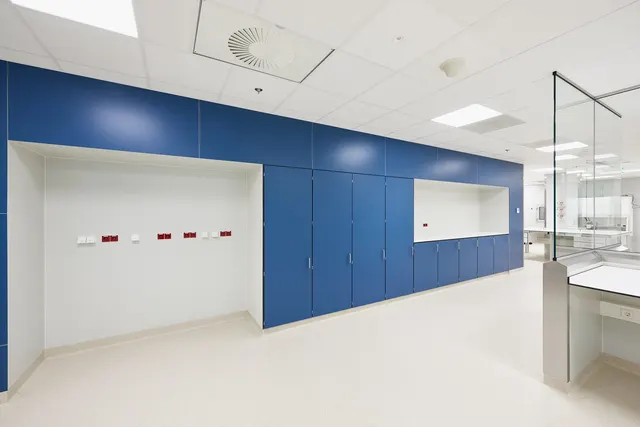
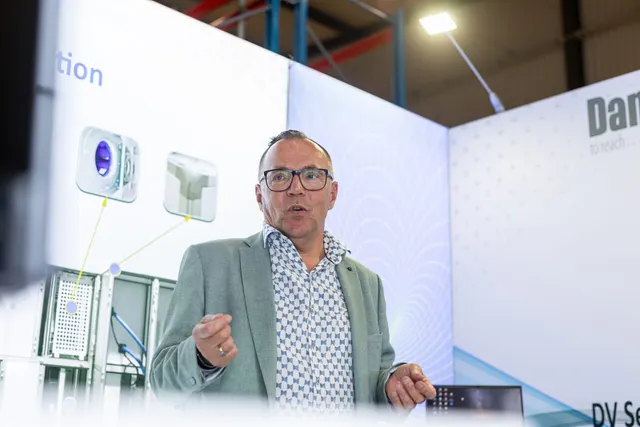
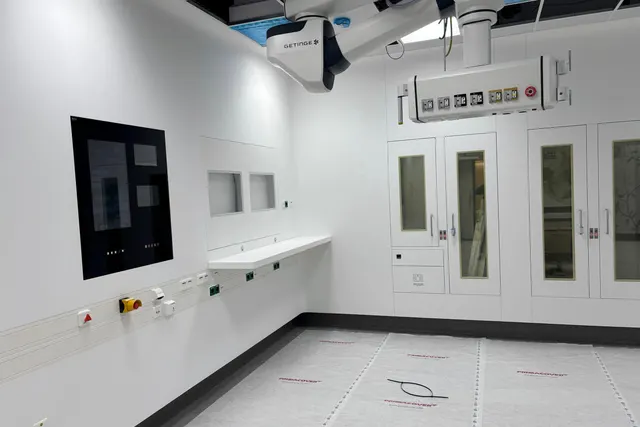
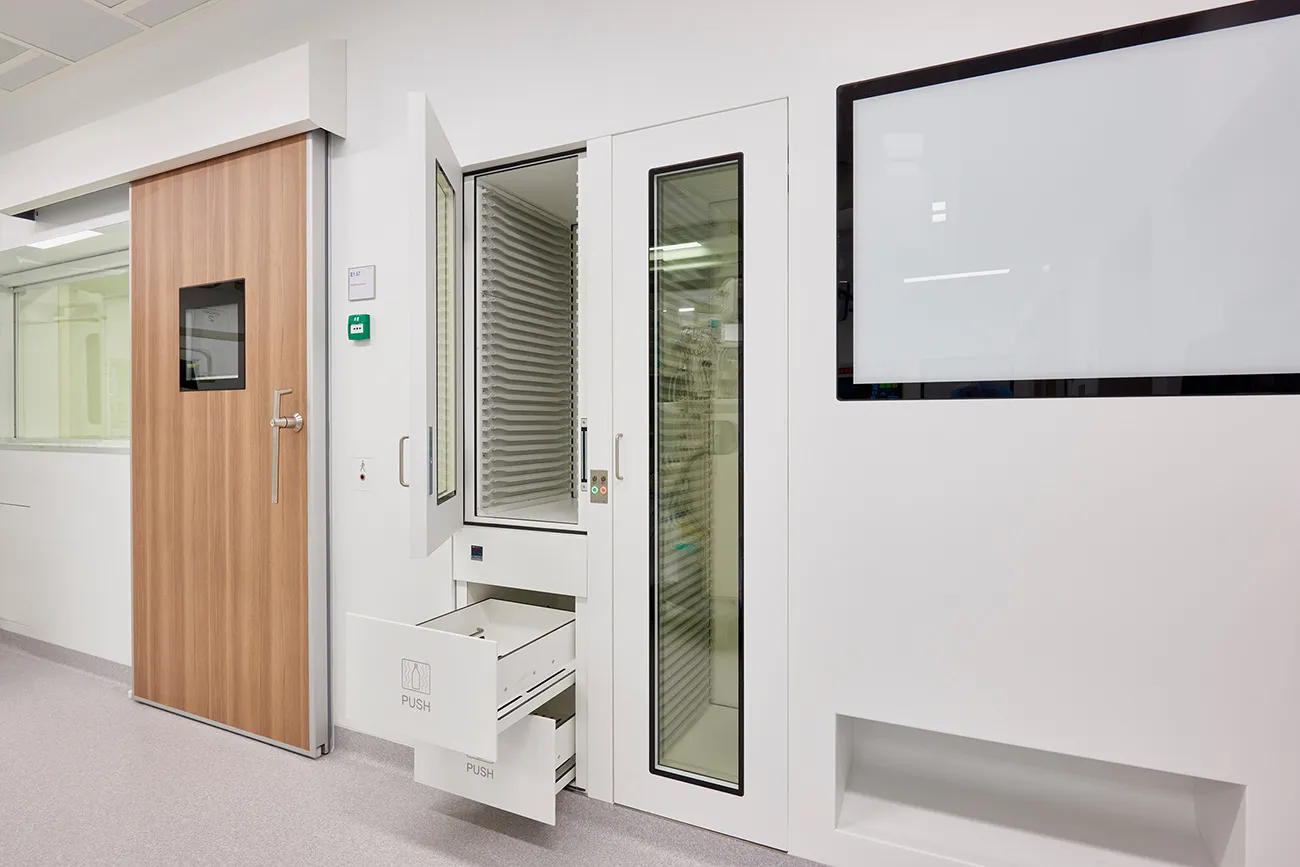
Based in Bergeijk, Cleanroom Combination Group (CCG) has been building cleanrooms and operating theatres for 25 years. The company began as the painting contractor Van Vonderen, before moving into dry construction. “Organon then asked us to develop an antibacterial wall finish for its GMP production facilities. That was the start of our move into high-specification cleanrooms,” says sales representative Marco de Bruijn. “We eventually specialised entirely in the interior fit-out of box-in-box cleanrooms. This means delivering the complete cleanroom, including floor finishes, walls, ceilings, doors, light fittings and fixed furniture. CCG uses, among other things, wall systems with a range of finishes, made exclusively from materials suitable for cleanroom use, such as Trespa, coated metal, Puracore and glass.”
Maintenance division
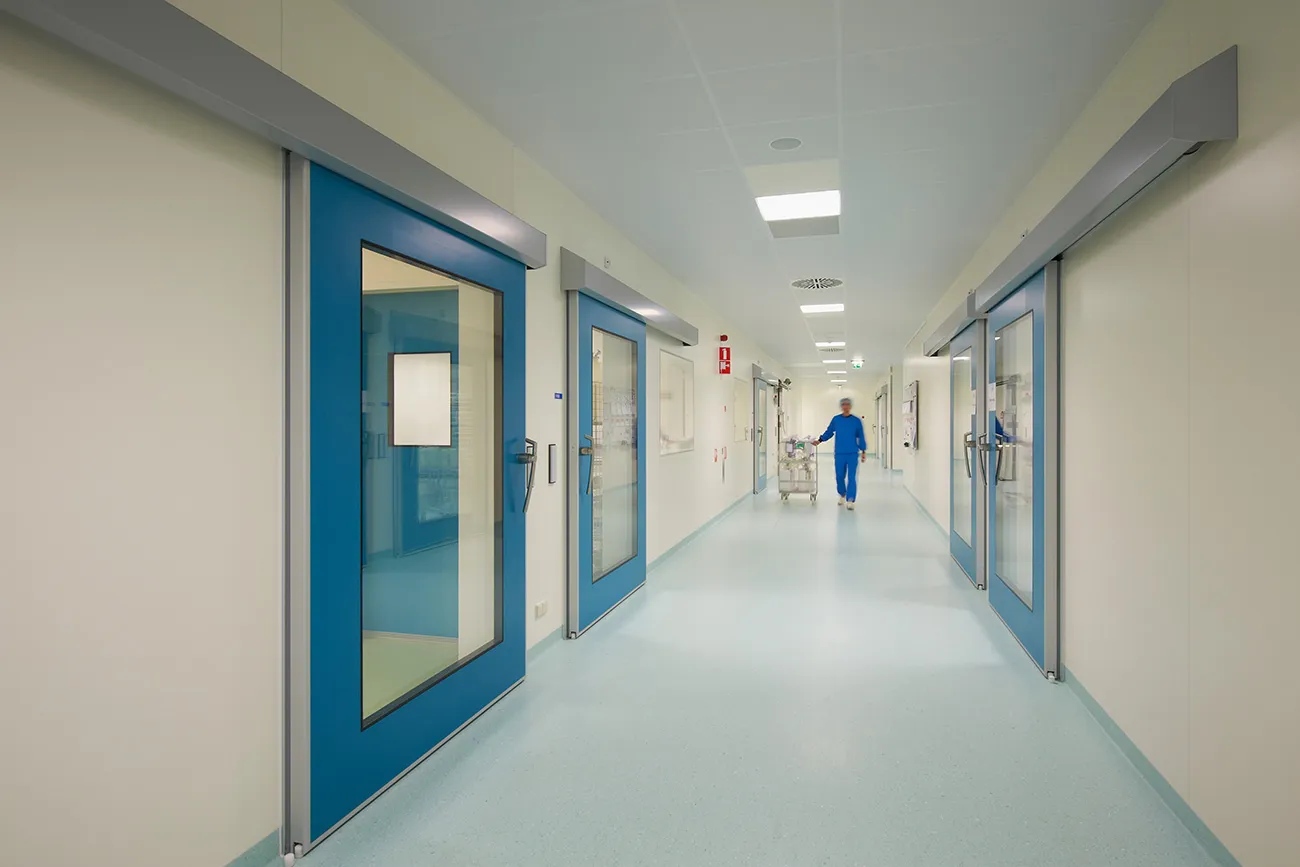
CCG’s customers gradually began asking for maintenance of the building fabric in their cleanrooms and operating theatres. According to Oscar Wyns, who has been the company’s service & maintenance manager for a year, this need is only natural. “Customers such as pharmaceutical companies and hospitals, as well as high-tech laboratories, cannot afford to have essential spaces out of action. A day of unplanned downtime for an operating theatre has a huge impact on scheduling and patient care. It is something you want to avoid at all costs. And yet maintenance is often underestimated. To support our customers, we are strengthening and expanding our maintenance division, which has in fact grown organically.”
Limiting downtime
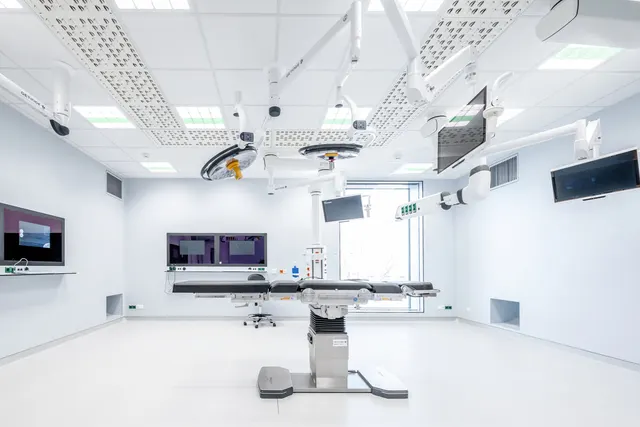
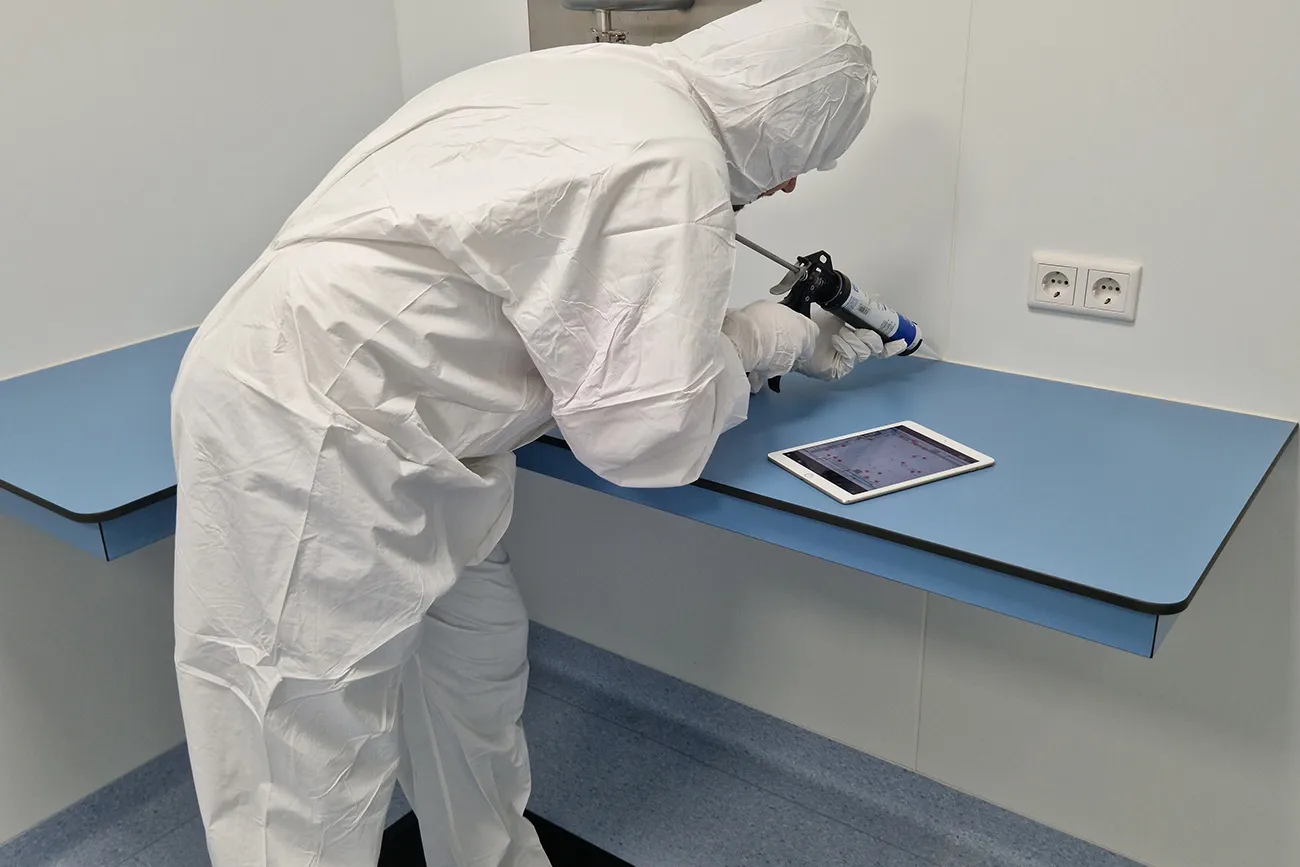
De Bruijn illustrates how maintenance is underestimated with a simple example. “An instrument can be dropped during an operation, causing minor damage. It is easy to dismiss it: ‘It’s just a scratch’. But these floors are wet-cleaned, so moisture can get underneath. If an inspection then finds that the floor no longer meets requirements, the operating theatre has to close immediately. The resulting downtime is often unnecessarily long. Maintenance and monitoring can prevent this. That is why we recommend multi-year maintenance contracts, to minimise unplanned downtime and the associated costs. Where possible, we even coordinate maintenance work with the installation contractors.”
In practice
Not every design fits the realities of day-to-day use perfectly. Wyns says: “You can design and build a cleanroom or operating theatre as well as possible, but only in practice do you find out whether everything works as it should. That is when you discover weak points and impact damage in places you would not have expected. Our customers sometimes used to leave these issues unresolved, but with a maintenance contract we deal with damage straight away. We do more than just repair it, we also help prevent similar damage in future, for example by installing impact protection. This improves the space and prevents further damage. Even an apparently minor problem, such as a door that catches, is dealt with immediately, because it can affect the pressure regime in a room.”
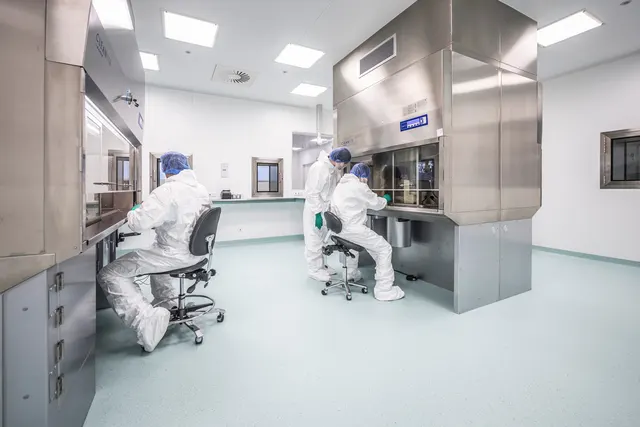
CCG now has a number of maintenance contracts in place for operating theatre complexes, production pharmacies, nuclear laboratories, cleanrooms and Biosafety Level 3 laboratories. These cover inspections, reporting, repairs, maintenance and adjustment of building components and fittings, filter replacement, cleaning and validation. CCG also carries out refurbishments, installs new furniture and undertakes all other building alterations, for example to prepare a space for a new CT scanner.
Have a business enquiry for CCG Holding? Get in touch
Companies in this story
Keep following this
Get an email when a new story is published. No account needed.
- ThemeSafe and reliable healthcare buildings
- SubjectOperating theatres, intensive care and cleanrooms
- CompanyCCG Holding