‘Reducing our environmental impact with sustainable fabrics’
Sustainability is a guiding principle in the way Artimo Textiles operates. The environmental challenge extends beyond a heat pump and solar panels at and on the company’s premises in Roosendaal.
Reducing its environmental impact also means offering an extensive range of fabrics, including flame-retardant fabrics, made from recycled yarns.
“We believe it is important to contribute to a pleasant living environment through the use of our curtain and upholstery fabrics and roller blinds, while also striving to reduce the environmental impact of our products.” Heleen Sieben says that Artimo Textiles takes a conscious and responsible approach to raw materials and energy, from design through to delivery of the fabrics. “We have almost all our fabrics produced ‘close to home’ by weaving mills within the EU. Strict environmental requirements apply to production processes here, and at the same time this limits the environmental impact of transport.” Most of the Artimo collection is made from 100 per cent Trevira CS yarn and is Oekotex®-100 certified. Oekotex® is an international standard that checks for the use of harmful substances. Importantly, all fabrics made from 100 per cent Trevira CS can be recycled at the end of their life. “This is a mechanical process in which the material can be reused for insulation and other plastic products, among other things,” Heleen Sieben explains.
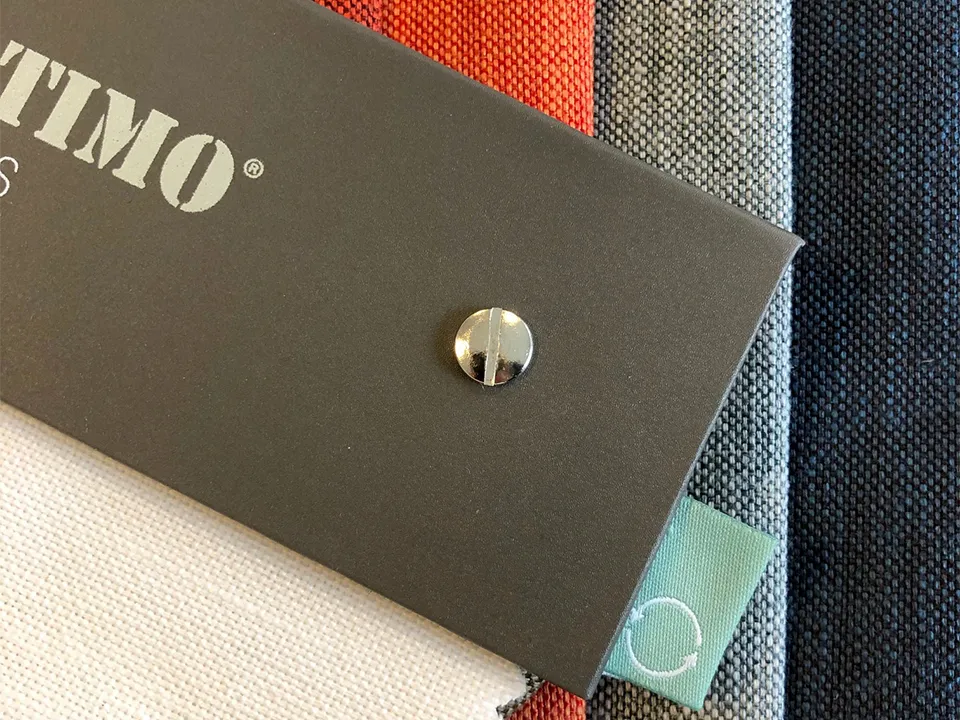
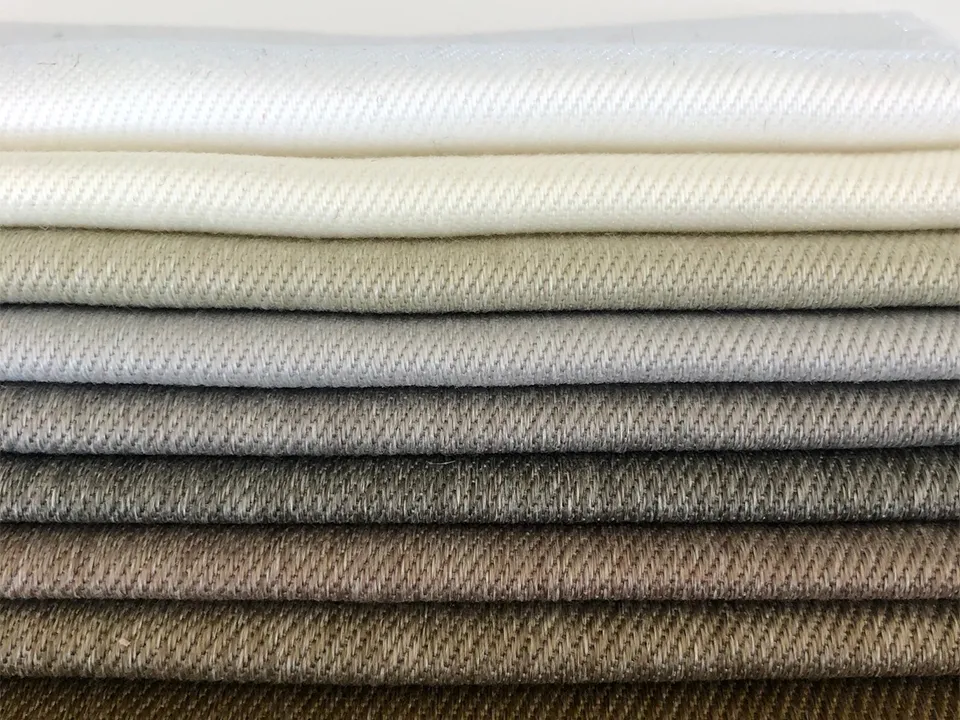
“We are increasingly using fabrics made with recycled yarns in our collection. These yarns are made from recycled PET bottles and are inherently flame-retardant. The fabrics are independently certified by Oekotex STeP and the Global Recycle Standard (GRS). The latter sets requirements for making accurate claims about the materials used and ensuring good working conditions, while minimising environmental impact as much as possible.” The fabrics made with recycled yarns in the collection can be used to furnish an entire project: a sheer (Newi), an in-between (Salla), a curtain (Ravi) and an upholstery fabric (Debut). The colour palette is coordinated, allowing endless combinations. “To make the fabrics easy for customers to identify, the sample books carry a green label with the ‘recycled’ symbol.”
Heleen Sieben draws attention to Reflex, an in-between fabric with a silver backing. “This fabric has a reflectance of 66 per cent, so it keeps out a lot of light and heat. This in turn has a direct effect on the energy used to cool a room. A triple benefit: recycled, flame-retardant and reflective.”
Artimo Textiles and the environment
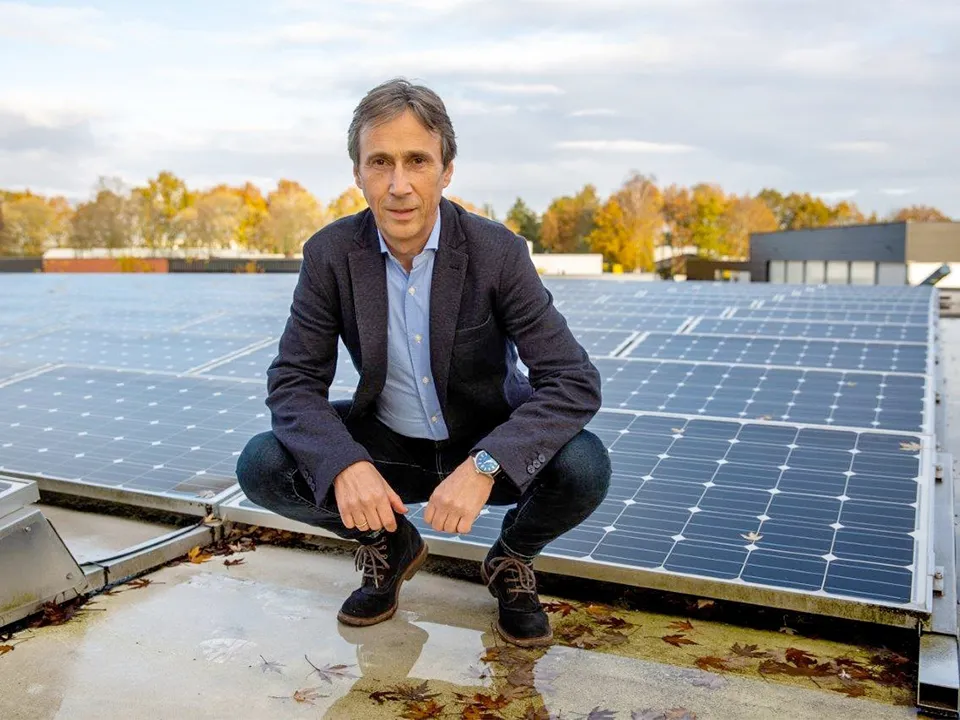
• Solar panels. Artimo Textiles’ office and warehouse are 100 per cent self-sufficient in terms of energy use.
• Almost all Artimo company cars are hybrid or 100 per cent electric. They run largely on electricity generated by the company’s own solar panels.
• By further rationalising the transport of fabrics to customers in collaboration with its carrier, Artimo Textiles reduces unnecessary energy use and helps ease congestion on the road network.
• Paperless office: aiming to use as little paper as possible.
• After use, the cardboard tubes on which the fabrics are delivered are collected and reused wherever possible. The plastic
used to wrap the rolls is 100 per cent recyclable.
Have a business enquiry for Artimo Textiles? Get in touch
Companies in this story
Keep following this
Get an email when a new story is published. No account needed.
- ThemeSustainable healthcare buildings
- SubjectProduct information
- CompanyArtimo Textiles