











‘Waiting times for care are longer than people expect’
Text VGZ Beeld Stockfoto
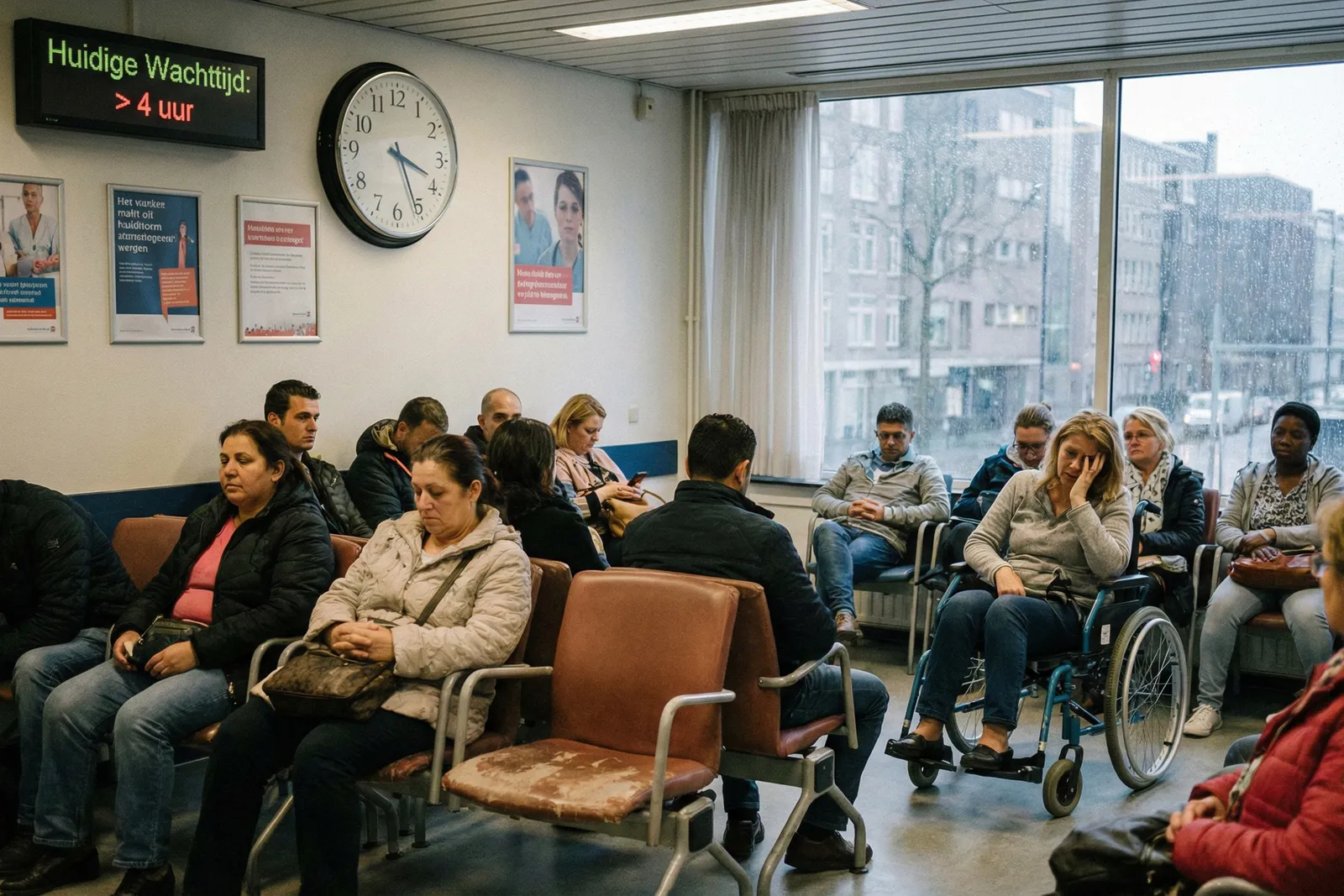
People in the Netherlands underestimate how long they will have to wait for an operation or treatment. This is according to research by Ipsos I&O, commissioned by Coöperatie VGZ, into people’s experience of healthcare.
Rising demand for care and growing staff shortages are recognised as the main challenges facing the sector. One visible consequence is the increase in waiting times for operations and treatment. Yet many people think the situation is not too bad in practice. For example, 57% of the Dutch public think they could have cataract surgery within 13 weeks. 15% have an even more optimistic view and expect to wait no more than 4 weeks, whereas in reality the average wait for cataract surgery is 20 weeks. For hernia surgery, two-thirds of respondents estimate the waiting time at up to 13 weeks, while the average is 24 weeks. And 69% expect to receive an injection to help manage pain within 8 weeks, whereas the actual waiting time is 11 weeks.
Generally positive
However, this does not mean that people in the Netherlands have a negative view of healthcare. More than half, 56%, have a positive or very positive view of it. Most people consider the quality very good, but note that supply does not match demand. Many are willing to help reduce waiting times themselves. However, the majority (77%) see it as the GP’s or health insurer’s responsibility to find out where they can be seen soonest.
Access to waiting-list information
In 2026, health insurers will gain access to healthcare waiting lists. This will give them insight into where and for which treatment or operation their members are on a waiting list. If an insured person explicitly consents to support from their health insurer and the waiting time exceeds the nationally agreed limit for the operation or treatment (the Treek standard), the insurer can take proactive steps to help them. Previously, insured people had to take the initiative themselves to qualify for this support. The survey found a positive response to health insurers helping people move up waiting lists. 68% would use this service if they found themselves in that situation.
The new agreements intended to help reduce waiting lists stem from the Additional Healthcare and Wellbeing Agreement (AZWA), signed on 8 September 2025 by organisations from the healthcare, wellbeing and government sectors.
210,900 weeks of reduced waiting time
Laura van Hulst (Director of Guiding Services at Coöperatie VGZ): “Many insured people face long waits for care. This leads to difficult situations in which people find themselves unable to manage their daily lives. We want to help by guiding them to a place where they can be seen sooner. We do this by phone, through the app and with a waiting-time comparison tool that lets people quickly see whether, and where, they can get an appointment sooner. By the end of September, we had already achieved a reduction of 210,900 weeks in waiting times for insured people this year. This cannot solve every problem related to waiting times, but it can help make better use of the existing capacity in healthcare.”
Question about this story? Ask your question
Keep following this
Get an email when a new story is published. No account needed.
- SubjectGeneral







